 TM Hydraulic
Premium Fluid Testing & Connection Systems
Engineered to exact German technical standards. High-performance components designed to secure zero-leakage pathways in extreme high-pressure industrial ecosystems.
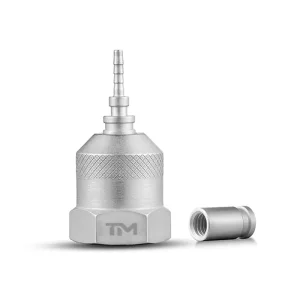
Whitepaper: Strategic Sourcing of High-Pressure Fluid Diagnostics
Navigating Quality Control, Zero-Leakage Architecture, and Global Supply Chain Resiliency in Modern Fluid Power Systems.
1. Executive Summary
In high-pressure hydraulic operations, diagnostics represent the critical pathway to ensuring asset longevity and preventing catastrophic system failure. The selection of components such as test couplings, micro-bore hoses, and instrumentation adapters directly determines whether an infrastructure can support automated predictive maintenance or suffer from systematic downtime. As systems evolve from standard heavy-machinery controls to highly sensitive, sensor-driven automation networks, fluid control solutions require strict adherence to international standards like ISO 15171-2.
This whitepaper outlines the structural challenges associated with specifying test fittings and diagnostic components. We analyze raw material properties, engineering seal structures, localized manufacturing advantages within China's premier industrial zones, and the critical factors that global procurement offices (GPOs) must audit to achieve operational excellence and structural compliance.
2. Global Procurement Dynamics & The Search for High-Fidelity Infrastructure
Global procurement teams in sectors like offshore wind power, marine engineering, construction machinery, and industrial automation face constant pressure to reduce total cost of ownership (TCO) without introducing reliability risks. Historically, sourcing critical hydraulic diagnostic interfaces meant depending on premium Western European manufacturers. However, this dependence frequently introduced bottlenecks, such as prolonged lead times, rigid customization options, and high costs that affected large-scale system rollouts.
Today, procurement directors require fluid control suppliers who can integrate seamlessly into global production lines. High-fidelity manufacturing requires:
- Consistent Metallurgy: Using certified Grade 304, 316L Stainless Steel, and high-strength Carbon Steel to resist extreme chemical corrosion and mechanical fatigue.
- Regulatory Alignment: Comprehensive documentation showing ISO 9001 and SGS certifications, ensuring trace ability across every extrusion and machining cycle.
- Interoperability: Complete mechanical compatibility with existing international standards such as DKO 24° cone-seals, JIC 37° flare fittings, and ORFS (O-Ring Face Seal) designs.
ISO & SGS Certified
Strict quality management systems tracking every component batch from raw steel to finished testing, guaranteeing consistent micro-tolerances.
Zero-Leakage Engineering
Patented soft and metal-to-metal cone-seal solutions that remain robust under continuous vibration and pressure spikes up to 630 bar.
100% Factory Inspected
Every single hydraulic diagnostic test point undergoes pressure containment verification to eliminate out-of-box defects before global shipping.
3. Chinese Manufacturing Ecosystem & Supply Chain Dynamics
The concentration of precision engineering within Jiangsu Province, specifically the industrial corridor of Changzhou, has created a robust hydraulic manufacturing hub. This ecosystem offers significant strategic advantages for global machinery builders (OEMs) and national distributors:
Integrated Raw Material Sourcing: Direct supply chain partnerships with top steel mills in China ensure stable access to high-grade alloys, reducing material cost volatility. This integration keeps raw material procurement reliable, even during global market shifts.
Clustered Precision Machining: Advanced CNC centers, high-performance automated thread rolling mills, and modern surface treatment facilities work together locally. This proximity minimizes transport times and keeps manufacturing tolerances within microns.
Rapid Prototyping & Customization: In modern fluid control design, specialized layouts often require custom thread configurations or material treatments. The integrated engineering hub allows manufacturers like TM Hydraulic to deliver prototype iterations within days rather than months.
4. Engineering Deep Dive: The Mechanics of Zero-Leakage Architecture
A primary failure mode in hydraulic diagnostic networks is trace leakage at the coupling interface. When connections leak, they release particulate pollution into the environment, cause hydraulic fluid loss, and introduce air into the high-pressure line, leading to pump cavitation.
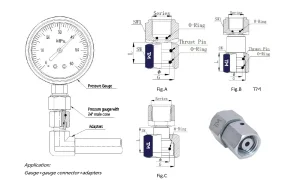
To prevent these failures, the TM Hydraulic (IKIN) engineering team focuses on two main design elements: cone-seal geometry and elastomer selection. In high-pressure testing configurations, standard thread sealants fail under pressure cycles and continuous vibration. By using a 24° cone design with integrated elastomeric O-rings (DKO style), the seal integrity relies on mechanical metal-to-metal seating backed by elastomer compression. This design keeps the seal secure, even during pressure surges up to 630 bar.
5. Localized Application Scenarios: Demanding Industrial Applications
Fluid control systems operate in highly diverse and challenging environments. Understanding these specific application conditions is essential to selecting the right diagnostic fittings:
- Wind Energy and Renewable Systems: Wind turbine nacelles require long-lasting, low-maintenance components. Diagnostic fittings must withstand constant, low-frequency vibrations and extreme offshore salinity. Using Stainless Steel 316L test couplings with specialized salt-spray resistant coatings prevents premature pitting corrosion.
- Heavy Construction Machinery: Equipment from OEMs like SANY, XCMG, and Caterpillar operates under severe shock loads, dirt, and high temperature fluctuations. Diagnostic systems must allow technicians to safely check system pressure at full load without leaking hydraulic oil.
- Industrial Automation and Injection Molding: High-precision manufacturing systems require clean operations. Our zero-leakage test points allow gauge connection and disconnection without pressure drops, preventing fluid contamination on delicate electronic sensors.
- Marine and Offshore Engineering: Marine environments expose hydraulic control lines to high corrosion risks. Specifying robust, acid-resistant components prevents system failures that can lead to costly operations at sea.
6. Regulatory Compliance, Standards & Localized Support
For international procurement, technical specifications must meet localized regulatory and quality standards. Our product range is designed for global compatibility, meeting key specifications including DIN 2353, ISO 15171-2, JIC (SAE J514), and ORFS (SAE J1453).
Additionally, our global service network ensures quick communication, clear technical documentation in multiple languages, and direct engineering support to resolve field issues fast. By offering custom branding and free logo engraving, we help distributors build long-term brand value with reliable, certified products.
Company History & Milestones
Over a decade of focus: Our journey from a specialized distributor to an award-winning manufacturer of high-pressure fluid diagnostic components.
2009.07
Founded as the exclusive distributor of Germany's Beta brand in China, establishing deep market experience and technical understanding of high-pressure diagnostic standards.
2013.09
Terminated partnership with the German brand due to evolving strategic directions, focusing our efforts on developing domestic manufacturing capabilities.
2014.01
Began designing and manufacturing our own line of hydraulic test points, focusing first on wind power applications with strict reliability requirements.
2017.04
Opened our manufacturing facility in Changzhou, Jiangsu Province, scaling up production to serve major industrial OEMs across China.
2019 - 2022
Officially recognized as a "High-Tech Enterprise of Jiangsu Province," reflecting our focus on manufacturing quality and process innovation.
2023 - 2025
Certified as a Municipal Engineering Technology Research Center and recognized as a "Gazelle Enterprise of Jiangsu Province." Our products are now trusted by global brands like SANY, XCMG, Parker, Hawe, and Caterpillar.
Technical Q&A / Frequently Asked Questions
Detailed technical answers to common engineering and sourcing questions about hydraulic test components.
Industrial Diagnostic Couplings & Adapters
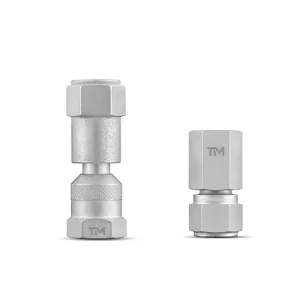
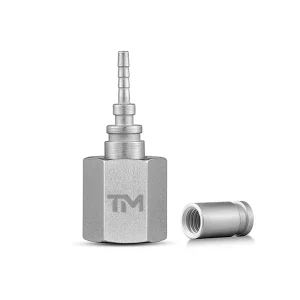
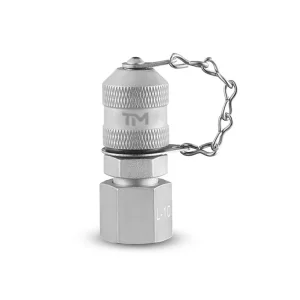
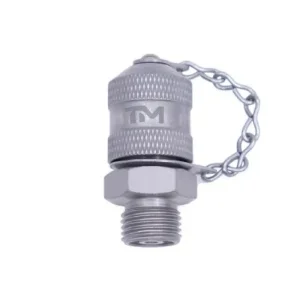
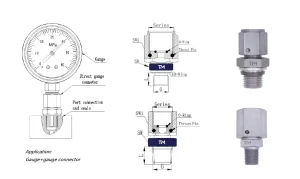
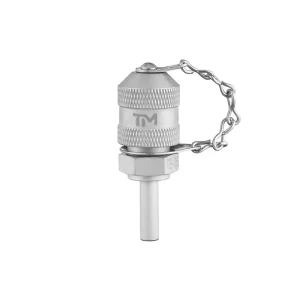
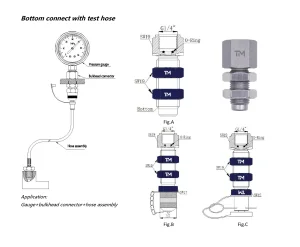
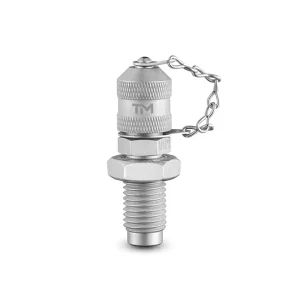
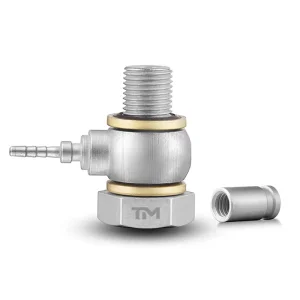
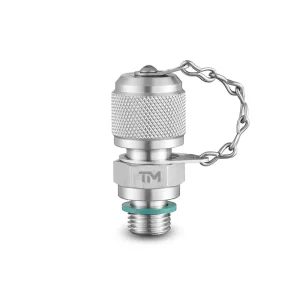
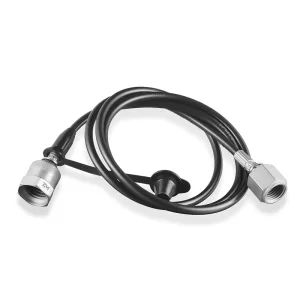
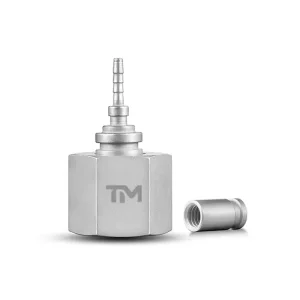
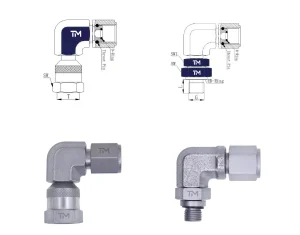
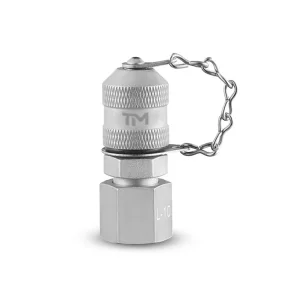
Complete selection of pressure gauge connectors, bulkhead fittings, and specialized DKO test points for industrial systems.