 TM Hydraulic
Top 5 Valve Test Fittings Tips for Global Buyers?
In the world of valve testing, choosing the right fittings is crucial. Valve Test Fittings play a significant role in ensuring system integrity and performance. Global buyers often face challenges when selecting proper fittings. With various types and standards available, it can be overwhelming.
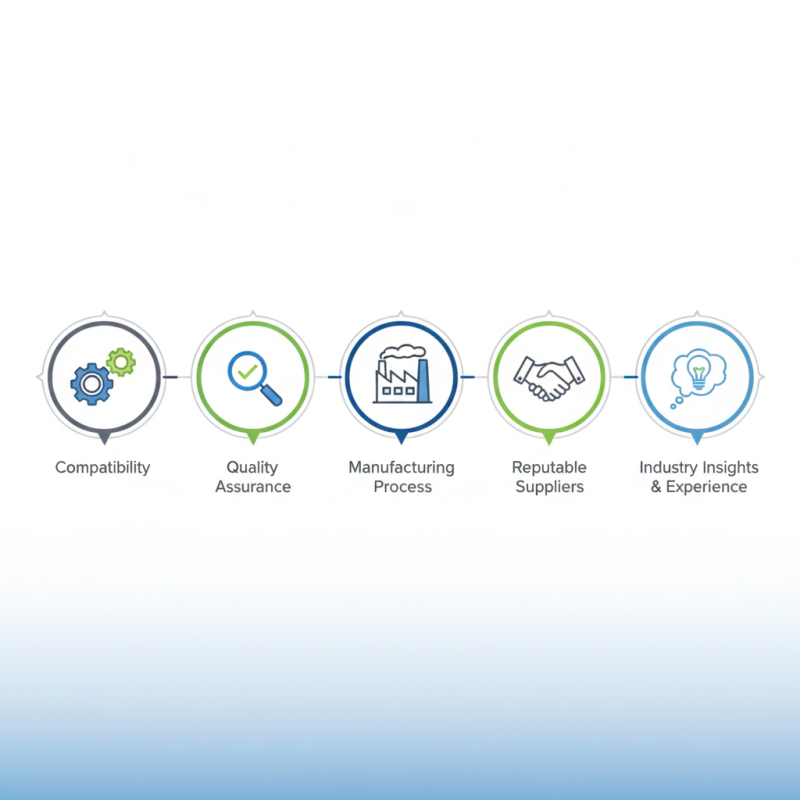
One critical aspect to consider is compatibility. Not all fittings work seamlessly with every valve. Buyers must understand the specifications required for their applications. Additionally, quality assurance is essential. Subpar fittings can lead to leaks and failures, costing time and money.
Moreover, understanding the manufacturing process is vital. Differences in materials and design can impact durability. Engaging with reputable suppliers enhances reliability. Buyers should seek detailed information about the fittings they consider. Gathering insights and feedback from industry peers can help make informed decisions. Reflecting on previous experiences is also beneficial for future purchases. This guide will delve into five essential tips that can aid global buyers in navigating the complexities of Valve Test Fittings.
Consider Your Application Requirements for Valve Test Fittings
When selecting valve test fittings, understanding your application requirements is crucial. Different applications demand unique specifications. Focus on the environment where the fittings will be used. Will they encounter high pressures or corrosive substances? Both factors can drastically affect fitting performance and longevity.
Material selection plays a significant role in meeting application needs. For instance, stainless steel offers robust resistance to corrosion. However, it may not be the best choice for environments with extreme temperatures. Rubber seals are effective in certain situations but might wear out quickly in harsh environments.
Consider the specific performance metrics required for your application. Flow rates, pressure ratings, and temperature limits are key factors. Overestimating these parameters could result in excess costs. Conversely, an underestimation could lead to equipment failures. Taking time to analyze the requirements will lead to better long-term reliability and efficiency in your operations.
Top 5 Valve Test Fittings Tips for Global Buyers
| Tip | Description | Application Requirements | Material Considerations |
|---|---|---|---|
| 1. Assess Pressure Ratings | Understand the pressure requirements of your system to select appropriate fittings. | High-pressure systems require fittings rated for the corresponding pressure. | Materials need to withstand high pressure without deformation. |
| 2. Consider Temperature Compatibility | Fittings must maintain integrity under operating temperatures. | Identify temperature ranges for optimal sealing and functioning. | Select materials that offer thermal stability. |
| 3. Ensure Proper Size and Compatibility | Size fittings to match valve sizes and connect effectively. | Incorrect sizing can lead to leaks or system failures. | Match sealing surfaces and threads with system requirements. |
| 4. Evaluate the Corrosive Environment | Understand the chemical compatibility of materials in your environment. | Corrosive fluids require special materials to prevent degradation. | Consider coatings or stainless materials for corrosion resistance. |
| 5. Review Certifications and Standards | Ensure fittings comply with international and industry standards. | Certification ensures fitting reliability and safety during operation. | Check for ISO, ASTM, or other relevant certifications. |
FAQS
: Stainless steel and high-grade plastics are ideal for their resistance to corrosion and pressure.
Ask suppliers about material grades. Higher grades usually indicate better durability and performance.
Temperature changes and chemical exposure can severely affect fitting durability. Consider long-term conditions.
Use independent testing reports to validate manufacturers' claims. This adds assurance in your buying decision.
Measure dimensions meticulously to avoid mismatches. Small deviations can lead to inefficiencies and failures.
Experts can provide insights not always found in technical data sheets, preventing costly errors.
Mismatched fittings might save money initially but can lead to significant repairs later on.
Understanding the materials and ratings of current valves prevents potential technical failures in new fittings.
Yes, learning from prior errors shapes better purchasing choices for valve fittings.
Always measure twice to ensure compatibility; trust your measurements as they guide your purchases.
Conclusion
When selecting Valve Test Fittings, global buyers should begin by carefully considering their specific application requirements. Different applications may demand varying specifications, and understanding these needs is crucial for effective selection. Additionally, evaluating the materials and durability of the fittings ensures they will withstand operational conditions.
Buyers must also assess the compatibility of Valve Test Fittings with existing systems and valves, as compatibility is key to efficient performance. It's important to verify testing standards and certifications to ensure quality assurance in the products being purchased. Finally, comparing costs and the reputation of suppliers within the global market allows buyers to make informed decisions while ensuring they receive reliable and high-quality fittings.
