
Top 10 Manometer Connector Types for Global Buyers?

Time:2026-06-10 Author:Aria
0%

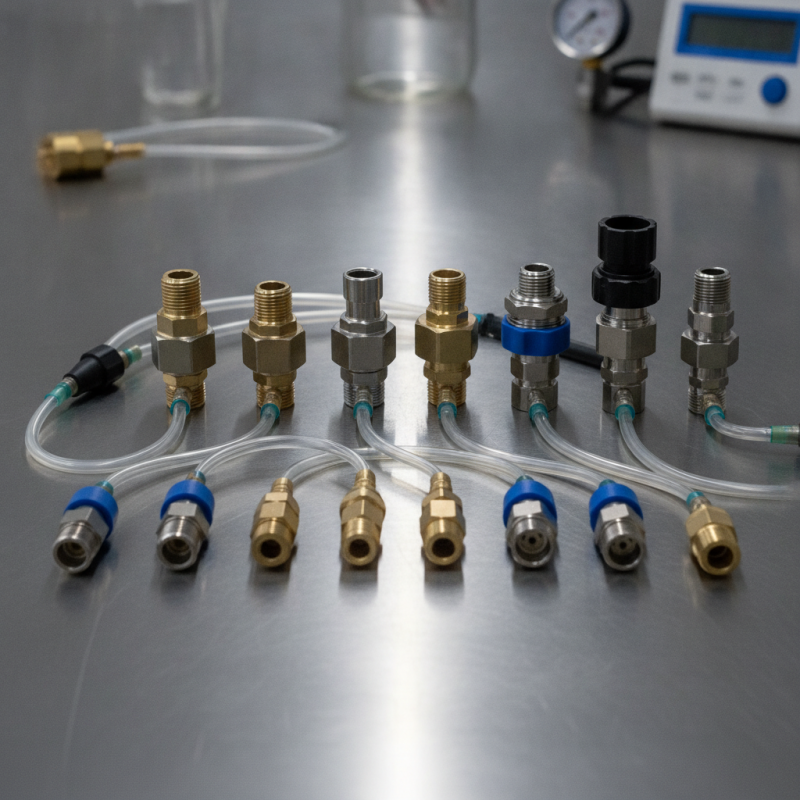
In the world of pressure measurement, understanding different types of connectors is vital. A **manometer connector** plays a crucial role in ensuring accurate readings. This component links the pressure sensor to the measurement system. With various designs available, selecting the right one can be challenging for global buyers.

The market presents several manometer connector options, each with unique features. Some connectors are designed for specific applications, while others are more versatile. The choice largely depends on the operational environment, pressure ranges, and the media being measured. Buyers must consider their specific needs and use cases.

The importance of quality and compatibility cannot be overstated. Improper selection can lead to measurement errors or equipment damage. Knowledge about materials and design helps in making informed decisions. It's essential to seek expert advice and consider feedback from experienced users. This way, buyers can navigate the complexities of choosing the best manometer connector for their applications.
Top 10 Manometer Connector Types for Global Buyers?

Overview of Manometer Connectors and Their Importance

Manometer connectors play a crucial role in measuring pressure in various industries. They ensure that the connection between the manometer and the pressurized system is secure and reliable. The importance of these connectors cannot be overstated. A faulty connection can lead to inaccurate measurements, resulting in severe operational issues. According to industry reports, improper connections contribute to 30% of pressure measurement errors. This emphasizes the necessity for buyers to understand the various types available in the market.

Understanding manometer connector types is essential for global buyers. Each type fulfills specific needs and applications. For example, compression fittings are widely used for their ease of installation and durability. Conversely, quick connectors are favored for applications requiring frequent disconnection. Technical reports have shown that employing the right connector type can improve measurement accuracy by up to 15%. Buyers often overlook these details, leading to costly mistakes. Familiarizing themselves with various options can enhance performance and reliability.

Common Materials Used in Manometer Connectors

When choosing manometer connectors, material selection is crucial. Different materials offer unique advantages that impact performance. Common materials include stainless steel, brass, and plastic. Each has distinct properties.

Stainless steel is highly durable and resistant to corrosion. It withstands harsh environments well. This makes it a preferred choice for many industrial applications. On the downside, it can be heavier and more expensive than other materials. Weighing these factors is important when making your choice.

Brass connectors are often used for their excellent machinability. They provide a good balance between cost and performance. However, they may not perform as well in extreme conditions. Plastic connectors are lightweight and resistant to chemical degradation. They are ideal for low-pressure applications but might lack the robustness needed for some environments. Understanding the pros and cons of each material helps buyers make informed decisions.

Top 10 Manometer Connector Types for Global Buyers

When considering manometer connectors, global buyers often face a diverse landscape of options. According to a recent industry report, the demand for reliable connectors is growing, particularly in the automotive and industrial sectors. Understanding the types of connectors is vital for ensuring accurate pressure readings.


One popular type of connector is the threaded connector. This option is praised for its ease of installation and robust sealing capability. Another noteworthy choice is the quick-connect connector, favored for its efficiency in pressure measurement scenarios. However, depending on the use case, choosing the wrong type can lead to pressure loss or inaccuracies.


Tips: Always match the connector to the specific application to avoid leaks. When in doubt, consult with a specialist to understand the implications of each type. A thorough evaluation can prevent costly errors later on. Remember to consider factors like temperature resistance and material compatibility for optimal performance. The right connector can make a significant difference in measurement reliability.

Key Features to Consider When Choosing Manometer Connectors

When choosing manometer connectors, consider several key features. The material of the connector is critical. Common materials include brass, stainless steel, and plastic. Each has its own resistance to corrosion and temperature variations. Understanding the specific environment where the manometer will operate is essential. For instance, a corrosive atmosphere may require a different connector material.

Another important factor is the pressure rating. Ensure the connector can handle the pressure range of your application. Mismatched pressure ratings can lead to connector failures. Additionally, the size and thread type must align with your manometer and piping system. A correct match prevents leaks and ensures accurate measurements.

**Tip:** Regular maintenance of manometer connectors extends their lifespan. Inspect them for signs of wear or corrosion periodically.

**Tip:** Always consult with a technical expert when selecting connectors. They can provide insights into materials and specifications that might not be immediately obvious.

Remember that while a lower cost may be tempting, investing in high-quality connectors often pays off in reliability and longevity. Consider the entire system and how each component interacts. In the end, a thoughtful choice can greatly enhance the accuracy of your measurements.

Applications and Industries Utilizing Various Manometer Connectors

Manometer connectors play a vital role in various applications across different industries. These connectors ensure precise measurements in pressure monitoring systems. Industries such as oil and gas, pharmaceuticals, and HVAC heavily rely on these tools. Each application demands a specific type of connector for optimal performance.

In the oil and gas sector, robust connectors withstand extreme conditions. They must handle high pressure and temperature variations. In pharmaceuticals, materials must be compatible with sensitive processes. Selecting the right connector ensures accuracy in measuring pressures within clean rooms.

Tips: Always check the compatibility of the connector with the fluid. A mismatched material can lead to failures. Additionally, consider the environmental factors that could impact the connector’s lifespan.

Manufacturers often use various materials, such as stainless steel and brass, to create these connectors. However, the choice should not be just about material strength. Reflect on the pressure range and application purpose. Sometimes, oversizing a connector can lead to inaccuracies.

When choosing a manometer connector, it’s essential to think about installation. Complex installations can strain the connection, leading to leaks. Ensure accessibility for maintenance as well. Proper installation techniques must be employed to ensure reliability.

FAQS

: What is the purpose of manometer connectors?

: Manometer connectors measure pressure precisely in various industries. They ensure secure connections between the manometer and the system.

Why is it important to choose the right type of connector?

Each connector type serves specific needs. Choosing wrong types can lead to measurement errors and operational issues.

Which industries rely heavily on manometer connectors?

Industries like oil and gas, pharmaceuticals, and HVAC need these connectors for accurate pressure monitoring.

How can improper connections affect measurements?

Faulty connections can cause up to 30% of pressure measurement errors. It can significantly impact operational efficiency.

What materials are commonly used for making connectors?

Connectors are often made from stainless steel and brass. Strength alone isn't enough; compatibility matters too.

Can the environment affect connector selection?

Yes, environmental factors can impact connector lifespan. Always consider conditions like temperature and pressure.

What installation tips should I follow?

Ensure proper installation techniques to avoid leaks. Access for maintenance is also crucial for long-term reliability.

Why should I check fluid compatibility?

Mismatched materials can lead to failures. Compatibility ensures safety and accuracy in sensitive applications.

How can I improve measurement accuracy?

Using the right connector type can enhance accuracy by up to 15%. Familiarity with options is vital for success.

What happens if I oversize a connector?

Oversizing can cause inaccuracies in measurements. It's important to reflect on the application purpose when selecting size.

Conclusion

The article titled "Top 10 Manometer Connector Types for Global Buyers" provides an insightful overview of manometer connectors, highlighting their critical role in pressure measurement applications across various industries. It discusses the common materials used in these connectors, which often include metals and plastics, offering durability and reliability in different environments.

Furthermore, the article outlines the top ten types of manometer connectors available globally, detailing their unique features and specifications. Readers are guided on key factors to consider when selecting the appropriate manometer connector, ensuring compatibility with specific applications. Lastly, the article emphasizes the wide range of industries that benefit from these connectors, showcasing their significance in accurate pressure monitoring and control.

Aria

Aria

Aria is a dedicated marketing professional with a deep passion for innovative strategies and a keen understanding of our company's product offerings. With a wealth of experience in the industry, Aria excels at crafting engaging content that highlights the unique features and benefits of our......