In the realm of hydraulic testing, the choice of fittings can significantly impact efficiency and accuracy. Hydraulic Test Tee Fittings are essential components in ensuring a reliable testing process. Renowned expert Dr. Emily Rhodes emphasizes, “Quality fittings are the backbone of effective hydraulic testing.” Her insight highlights the importance of selecting the right tools for accurate results.
Hydraulic Test Tee Fittings facilitate seamless connections within the testing system. They provide the necessary access points for pressure readings and fluid control. Investing in high-quality fittings can lead to enhanced performance and reduced risks. Yet, professionals often overlook the significance of these components. Some may opt for cheaper alternatives, sacrificing quality and reliability.
The industry has seen various innovations in hydraulic fittings, but not all lead to better outcomes. Decisions made by testing engineers directly affect project results. It’s critical to reflect on the fittings chosen for every test. By prioritizing quality and functionality, the industry can drive efficiency. Ultimately, Hydraulic Test Tee Fittings play a pivotal role in shaping successful testing solutions, but awareness is key.
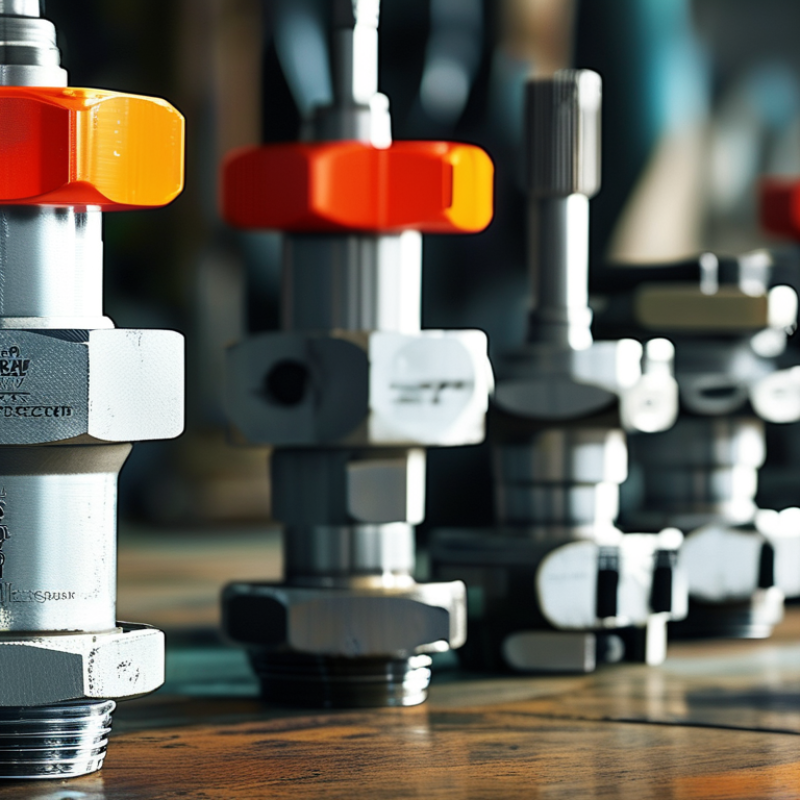
When selecting hydraulic test tee fittings, several factors come into play. Understanding the material is crucial. Different materials offer varying levels of durability and resistance to pressure. Consider steel for high-pressure applications. Plastic may suffice for lighter tasks. Always weigh the pros and cons of each material choice.
Compatibility is another key aspect. Ensure that the fitting aligns with your existing equipment. Mismatched parts can lead to leaks or failures. Testing with a prototype fitting can provide insights into performance. Don't overlook the size either. A fitting that’s too big or too small will not work efficiently.
Finally, consider the design and installation process. Some fittings are easier to install than others. This can save significant time during assembly. Understand the limitations of your workspace too. Tight spaces may require more compact designs. Ultimately, reflecting on these elements will guide you to a fitting that meets your testing needs effectively.
Hydraulic test tee fittings are essential components in pressure testing systems. Their specifications and standards significantly impact performance. Common industry standards include ISO 9001 and ASTM D3034, which ensure consistent quality. These standards define dimensions, materials, and performance requirements. A fitting's design can influence its pressure handling capacity. According to industry reports, fittings that meet these specifications can generally withstand pressures exceeding 3,000 PSI.
When selecting hydraulic test tee fittings, consider material durability. Carbon steel is popular for its strength but may corrode without proper treatment. Stainless steel offers better corrosion resistance and longevity. A recent survey indicated that nearly 60% of engineers preferred stainless steel for outdoor applications. This indicates a shift towards materials that provide reliability over time.
**Tips:** Always verify compliance with relevant standards before purchase. A proper fit is crucial for preventing leaks. Regular maintenance checks can enhance the lifespan of these components. Remember, even small defects can lead to significant pressure loss. Testing should always follow manufacturer guidelines to ensure safety and accuracy.
When evaluating hydraulic test tee fittings, performance metrics become crucial for effective testing solutions. Recent industry reports indicate that precise flow rate and pressure accuracy are key indicators of performance. For instance, fittings with a flow coefficient (Cv) greater than 10 provide optimal efficiency in most testing scenarios. However, not all fittings meet these standards. Frequent calibration and checks on these components are essential to ensure reliability.
Pressure testing is another essential metric. A recent study highlighted that fittings designed for pressures above 3000 psi exhibit enhanced durability. Yet, users must be cautious of compatibility. Mismatched materials can lead to failure during tests. This reveals a gap in industry practices, where some users prioritize cost over quality, risking safety and reliability. Thus, ongoing education on fitting selection is necessary to bridge this gap.
Installing hydraulic test tee fittings requires meticulous attention. Many technicians overlook the importance of proper sealing methods, which can lead to leaks and compromised results. This emphasizes the need for better training and resources for industry professionals. Ensuring a thorough understanding of performance metrics will help in selecting the right fittings for any hydraulic application.
| Fitting Type | Material | Pressure Rating (psi) | Temperature Range (°F) | Connection Size (in) | Weight (lbs) |
|---|---|---|---|---|---|
| Standard Hydraulic Test Tee | Steel | 5000 | -40 to 250 | 1 | 2.5 |
| High-Flow Test Tee | Aluminum | 6000 | -40 to 300 | 1.5 | 2.0 |
| Compact Test Tee | Brass | 3500 | -20 to 200 | 1 | 1.5 |
| Heavy-Duty Test Tee | Stainless Steel | 8000 | -40 to 400 | 2 | 3.0 |
When evaluating hydraulic test tee fittings, the materials used play a crucial role in performance and reliability. Common materials include stainless steel, carbon steel, and various plastics. Stainless steel, particularly 316 grade, is favored for its resistance to corrosion. According to a 2022 industry report by the Hydraulic Institute, 70% of hydraulic systems utilize stainless steel due to its durability. This material ensures longevity, especially in harsh environments.
Carbon steel, on the other hand, is often less expensive. However, it is prone to rust and requires protective coatings. A study by the American Society for Mechanical Engineers found that carbon steel fittings could fail in less than five years if not properly maintained. While they may seem appealing due to initial cost savings, the long-term implications warrant consideration.
Plastics, though not as common, are emerging as viable options for low-pressure applications. They are lightweight and often resistant to chemicals. However, their mechanical strength might not meet the demands of high-pressure environments. This is a critical factor when selecting fittings. Many engineers express concern about over-reliance on plastics in demanding applications, emphasizing the need for careful material selection to ensure system integrity.
Hydraulic testing is evolving rapidly. As industries strive for efficiency, new technologies are emerging. One trend is the use of smart sensors. These sensors provide real-time data during testing. This shift allows for enhanced monitoring and faster decision-making. In an environment where precision is crucial, having instant feedback is invaluable.
Another noteworthy direction is the move towards automation. Automated systems reduce human error and increase reliability. Organizations are adopting software solutions for data analysis. This integration can streamline the testing process. However, companies must ensure they have the right expertise to implement these tools effectively. There are risks if the technology is not managed properly.
The future also leans toward sustainable practices. Equipment designed with eco-friendliness in mind is gaining traction. Many companies now prioritize reducing their environmental footprint. Still, the balance between innovation and sustainability raises questions. Can we pursue progress without creating new problems? This ongoing reflection is essential for shaping responsible hydraulic testing practices.
: Material choice affects durability and pressure resistance. Steel is ideal for high-pressure, while plastic suits lighter tasks.
Fittings must match existing equipment. Mismatched parts can cause leaks and failures. Testing prototypes helps assess compatibility.
A fitting that is too big or small won't function efficiently. Proper sizing is key to achieving desired performance.
Specifications ensure consistent quality. Standards like ISO 9001 govern dimensions and performance. Compliance is essential for reliability.
Durability impacts longevity and safety. For example, carbon steel needs protective coating to avoid rust, affecting lifespan.
Plastics can work for low pressures but may lack mechanical strength for high-pressure situations. Caution is needed in their use.
Some fittings are easier to install, saving time during assembly. Consider workspace limitations for compact design needs.
Regular checks prevent small defects from becoming major issues. They can enhance the lifespan and efficiency of components.
Fittings can fail due to rust, improper installation, or wrong sizing. Regular assessments help mitigate these risks.
Many engineers now prefer stainless steel for its longevity in harsh conditions. Choices reflect a focus on reliability over initial cost.
Hydraulic Test Tee Fittings play a crucial role in ensuring efficient and accurate hydraulic testing across various applications. When selecting these fittings, it is important to consider factors such as connectivity, pressure ratings, and compatibility with different fluids. A thorough overview of specifications and standards can guide users in making informed decisions.
Performance metrics, including flow rates and leak resistance, are vital for evaluating the effectiveness of these fittings. Additionally, a comparative analysis of the materials used reveals that choices like stainless steel, brass, and plastic each offer distinct benefits tailored to specific environments. Lastly, emerging trends in hydraulic testing point towards innovations that enhance reliability and efficiency, promising a brighter future for hydraulic systems and their testing solutions.

TM Hydraulic