
Top 10 Hydraulic Test Port Couplers for Global Buyers?

Time:2026-06-07 Author:Ethan
0%

In the fast-evolving field of hydraulic testing, the choice of effective components is vital. Hydraulic Test Port Couplers play a crucial role in ensuring accurate pressure assessments. According to industry reports, the global hydraulic equipment market is projected to reach $60 billion by 2025, with couplers being a significant part of this demand.

The need for reliable hydraulic test solutions has surged. Professionals in the engineering and manufacturing sectors depend on these couplers for system efficiency. A poorly chosen coupler can lead to inaccurate data and costly downtimes. As precision is crucial in hydraulic testing, selecting the right Hydraulic Test Port Coupler becomes a matter of operational integrity.

Not all couplers are created equal. Variations in materials, design, and compatibility can lead to performance discrepancies. Buyers must consider factors such as pressure ratings and connection types. Understanding these variables can prevent misunderstandings and reinforce trust in hydraulic systems. Despite growth, challenges remain; not every product meets the high standards expected in demanding environments.
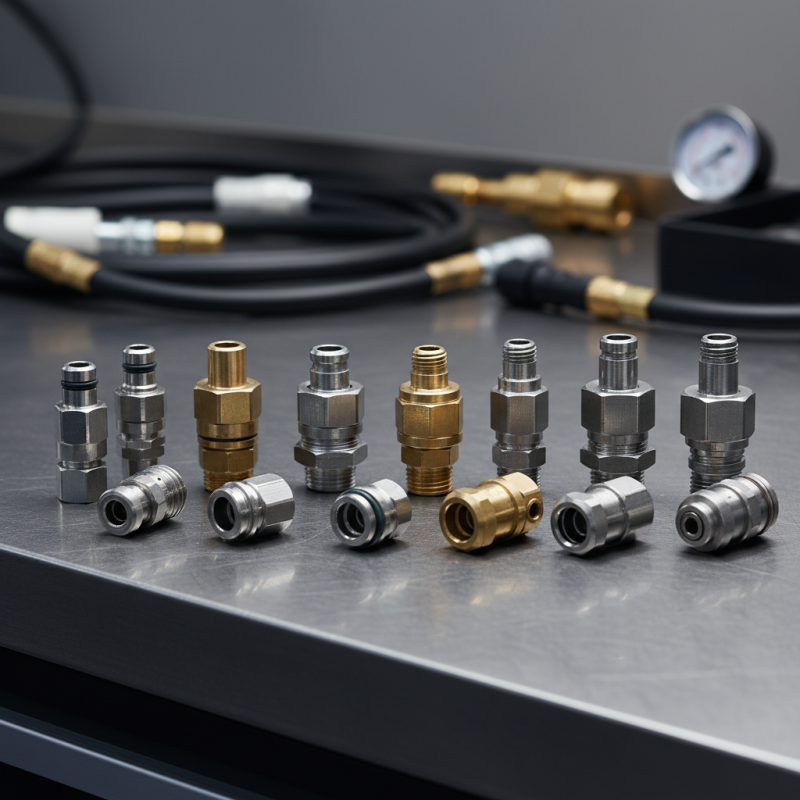
Top 10 Hydraulic Test Port Couplers for Global Buyers?

Overview of Hydraulic Test Port Couplers

Hydraulic test port couplers play a vital role in fluid power applications. These devices allow for easy connection and disconnection for testing and maintenance. According to industry studies, nearly 70% of hydraulic failures can be traced back to improper coupling connections. This highlights the importance of using reliable couplers.

Choosing the right hydraulic test port coupler is essential. Many factors come into play, including pressure ratings, fluid compatibility, and connection types. Data from market analysis suggests that the global hydraulic coupler market is expected to grow by 5.2% annually through 2027. This growth signifies a rising demand for efficient and durable couplers.

Quality is a critical aspect. Poor connections can lead to leaks and system failures. In an industry where precision is key, any oversight can be costly. Many operators are still unaware of the need for regular maintenance checks. This lack of diligence can compromise the entire hydraulic system's performance. Investing in high-quality couplers can mitigate such risks, ensuring better longevity and reliability in hydraulic systems.

Top 10 Hydraulic Test Port Couplers for Global Buyers

Model Connection Type Maximum Pressure (psi) Material Weight (lbs) Temperature Range (°F)
Coupler A Flat Face 5000 Steel 1.2 -40 to 250
Coupler B Quick Disconnect 3000 Aluminum 0.8 -20 to 180
Coupler C Flush Face 6000 Stainless Steel 1.5 -30 to 220
Coupler D Self-Sealing 4000 Brass 1.0 -10 to 200
Coupler E NPT Thread 2500 Plastic 0.5 -20 to 150
Coupler F Flat Face 5000 Steel 1.3 -40 to 250
Coupler G Quick Disconnect 3000 Aluminum 0.9 -20 to 180
Coupler H Flush Face 6000 Stainless Steel 1.6 -30 to 220
Coupler I Self-Sealing 4000 Brass 1.1 -10 to 200
Coupler J NPT Thread 2500 Plastic 0.6 -20 to 150

Key Features to Consider When Choosing Couplers

When selecting hydraulic test port couplers, several key features must be considered. Durability is essential. Look for materials that can withstand high pressures and harsh environments. Stainless steel and aluminum are popular choices. These materials provide resistance to corrosion and prolong the life of your couplers.

Another critical factor is compatibility. Ensure the couplers fit the specific hydraulic system. The size and thread type must match your equipment. Check pressure ratings too. Mismatched couplers can lead to leaks or system failure. This can be costly and dangerous.

Ease of use also matters. A well-designed coupler allows for quick connections. Look for features like easy-grip handles and visual indicators. These can save time during testing. However, some couplers may be prone to wear. Regular inspection is necessary. This prevents unexpected issues during operations. Keep these considerations in mind. They can significantly impact your system's efficiency.

Top 10 Hydraulic Test Port Couplers for Global Buyers

Top 10 Hydraulic Test Port Couplers for Global Buyers

When considering hydraulic test port couplers, quality matters. These couplers are critical for connecting hydraulic test equipment to systems safely. Look for durable materials that can withstand high pressures. Corrosion resistance is essential in many environments. A reliable coupler ensures accurate pressure readings, crucial for system diagnostics.

Selecting the right test port coupler can be challenging. Not every product meets high industry standards. Some couplers may leak under pressure or fail in harsh conditions. Expert reviews and user feedback are invaluable. Engaging with professionals in the field can provide insights into reliable choices. Many users appreciate couplers that are easy to connect and disconnect, enhancing workflow efficiency.

Pay attention to specifications. Weight, size, and compatibility play a big role in usability. A heavy coupler may indicate robust construction, but it can impact portability. Test port couplers should balance sturdiness with ease of use. Remember that insufficient knowledge could lead to poor purchasing decisions. Investing time in research pays off in the long run.

Applications of Hydraulic Test Port Couplers in Various Industries

Hydraulic test port couplers play a vital role across various industries. These couplers allow for safe and efficient testing of hydraulic systems. In the manufacturing sector, they provide reliable access points for pressure testing. This ensures machines operate within safe limits, preventing accidents and downtime.

In the automotive industry, these couplers enable quick fluid transfers. Technicians can easily connect to hydraulic lines for diagnostics. This streamlines the repair process, saving time and resources. However, improper use can lead to leaks or inaccurate readings. Users must remain vigilant during maintenance tasks.

In construction, hydraulic couplers support heavy machinery operation. They facilitate fluid control in cranes and excavators. Proper connection can improve safety and efficiency on-site. Yet, a common challenge is the compatibility of different systems. This often requires careful selection of couplers. Misunderstandings can arise when equipment doesn't match. Such issues necessitate ongoing education and awareness among operators.

Maintenance Tips for Enhancing the Longevity of Couplers

Maintaining hydraulic test port couplers is crucial for ensuring their performance and longevity. Research indicates that improper care can lead to premature failures and increased costs. Regular inspection is vital. Look for signs of wear and tear, especially on seals and O-rings. These components are often the first to degrade due to pressure and environmental exposure.

Applying appropriate lubricants can significantly enhance functionality. A study from the International Journal of Fluid Power highlights that up to 40% of coupler failures stem from inadequate lubrication. It’s essential to select lubricants compatible with your hydraulic fluids. Furthermore, ensure that couplers are cleaned after each use to remove contaminants. This simple step can protect the integrity of the couplers.

Storage conditions also impact coupler performance. Couplers should be kept in dry and cool locations to mitigate corrosion risks. Inadequate storage can lead to rust and malfunction. Neglecting these maintenance practices may result in costly repairs or replacements. Therefore, implementing a conscientious maintenance routine is not just a recommendation; it's a necessity for effective hydraulic systems.

FAQS

: What should I consider for durability in couplers?

: Choose materials like stainless steel or aluminum. They resist corrosion and handle high pressures well.

How important is compatibility when selecting couplers?

Compatibility is vital. Ensure the size and thread type match your hydraulic system to avoid leaks.

What features enhance ease of use in couplers?

Look for easy-grip handles and visual indicators. These features help save time during testing.

How can I prevent issues during operations?

Regular inspection of couplers is essential. This practice helps identify wear and prevent unexpected problems.

Why is quality critical for hydraulic test port couplers?

Quality ensures safe connections and accurate pressure readings. Low-quality couplers may leak or fail under pressure.

What specifications should I pay attention to?

Consider weight, size, and compatibility. These factors affect usability and effectiveness of the couplers.

Can expert reviews help with coupler selection?

Yes, expert reviews provide valuable insights. They help identify reliable products that meet industry standards.

How does a heavy coupler impact usability?

A heavy coupler may indicate toughness but can also affect portability. Striking a balance is key.

What could lead to poor purchasing decisions?

Insufficient knowledge about specifications and features can lead to poor choices. Research is important.

Is it common for couplers to have weaknesses?

Yes, some couplers may be prone to wear. Regular checks can mitigate these risks and improve safety.

Conclusion

Hydraulic Test Port Couplers are essential components utilized in various industries for efficient hydraulic testing and maintenance. Understanding the key features to consider when selecting a coupler—such as compatibility, pressure ratings, and ease of use—is crucial for ensuring optimal performance. The article highlights the top ten couplers available globally, providing insights into their specifications and benefits to assist buyers in making informed decisions.

In addition to their critical role in testing and maintenance, Hydraulic Test Port Couplers have diverse applications across sectors like automotive, aerospace, and industrial machinery. To maximize their durability and performance, the article also offers valuable maintenance tips that can enhance the longevity of these couplers, ensuring reliable operation throughout their lifespan.

Ethan

Ethan

Ethan is a seasoned marketing professional with a deep expertise in our company's innovative product line. With a passion for sharing knowledge and insights, he takes the lead in regularly updating our corporate blog, where he explores industry trends, product features, and effective marketing......