The China Import and Export Fair, known as the Canton Fair, is a significant platform for industrial businesses. One vital segment that draws attention is the Hydraulic Test Hose Points, crucial for various sectors, including manufacturing and construction. According to the latest market analysis by ResearchAndMarkets, the global hydraulic hose market was valued at approximately $1.4 billion in 2022 and is expected to grow at a compound annual growth rate (CAGR) of 5.3% from 2023 to 2030.
At the upcoming 139th Canton Fair, industry leaders will showcase innovative hydraulic testing solutions. These advancements in hydraulic hose technology are pivotal for improving safety and efficiency across multiple applications. However, challenges persist in adapting these technologies to meet diverse market demands. For example, the integration of AI and intelligent navigation systems aims to enhance the user experience, yet some suppliers may struggle with certification processes like ISO and CE.
It is crucial for attendees to identify key Hydraulic Test Hose Points to navigate effectively. Ensuring access to quality suppliers will remain a significant concern for businesses. As the industry evolves, realizing the potential of these hydraulic systems while addressing existing gaps will be essential for future growth and sustainability.
Hydraulic test hoses play a crucial role in various industries, ensuring safety and efficiency. These hoses are designed to withstand high pressure and heavy use. Their importance is evident in fields like construction, manufacturing, and automotive. They are essential for testing the performance and safety of hydraulic systems. A small failure can lead to severe consequences.
When selecting hydraulic test hoses, one must consider several factors. Material quality matters. The hose should be durable yet flexible. Improper choice can lead to leaks or bursts. It is vital to match the hose's specifications to the application it will be used for. Additionally, professional testing using these hoses can help avoid unexpected breakdowns.
Moreover, maintenance is often overlooked. Regular inspections can identify wear and tear. Finding issues early can prevent larger problems down the line. Despite their robustness, hydraulic test hoses require careful handling. Ignoring best practices can lead to accidents. Investing time in proper use and maintenance is essential for any operation.
Hydraulic test hoses are essential in various industrial applications. They are designed to withstand high pressures during testing and maintenance procedures. One key feature is the durable materials used in their construction. These materials ensure flexibility while maintaining structural integrity. Users often encounter challenges with the hose's adaptability to different connections. This aspect should be carefully examined before purchase.
Another important specification is the pressure rating. High-pressure ratings offer more safety and reliability. However, sometimes these ratings can be misleading. Users might assume higher pressure means better performance. Yet, compatibility with existing systems is crucial. Selecting hoses that can seamlessly integrate is vital for preventing leaks or failures.
Users should also consider hose length and diameter. These dimensions affect fluid flow and overall system efficiency. Shorter hoses may be easier to maneuver but can limit reach. On the flip side, longer hoses can lead to pressure drops. Users must weigh their options carefully. Every choice impacts the testing process. Investing time in understanding these features is pivotal for success.
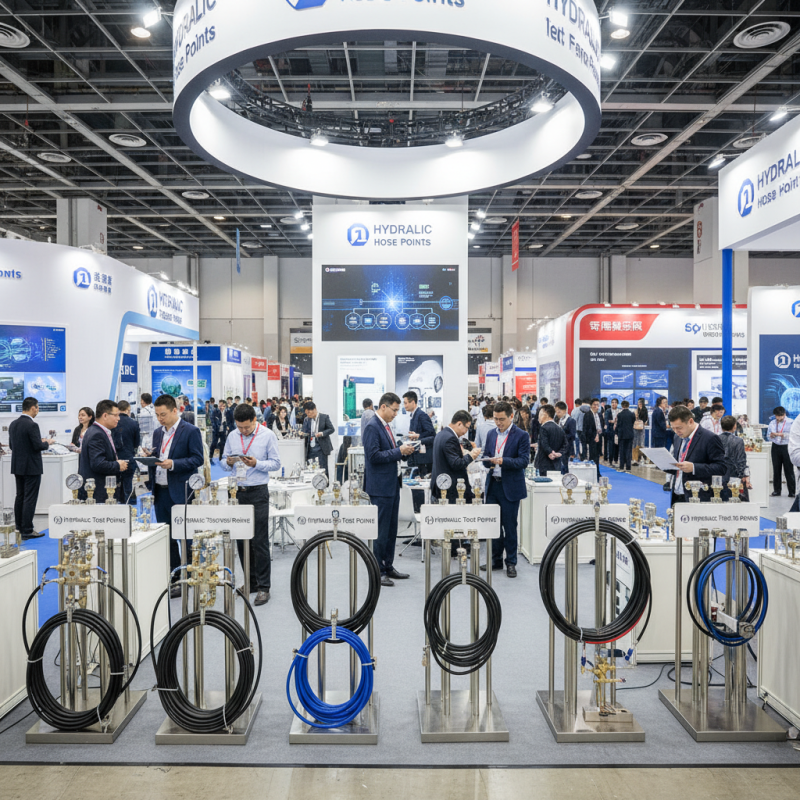
The China Import and Export Fair is a prominent platform for showcasing the latest innovations in hydraulic test hoses. It attracts leading manufacturers from around the world, highlighting the industry's advancements. Recent reports indicate that the global hydraulic hose market is poised for growth, projected to reach $18 billion by 2025. This growth opens doors for new technologies and improved manufacturing processes.
Manufacturers at the fair often display a range of products, including high-pressure hoses and specialized test equipment. The quality of materials used is critical. Many still rely on outdated standards. Some companies report difficulties in meeting technical specifications consistently. This inconsistency poses risks in competitive markets.
Visitors to the fair can explore innovations, such as lightweight materials and enhanced flexibility in hose designs. However, not all showcased products meet rigorous sustainability benchmarks. Some manufacturers struggle with integrating eco-friendly practices. This is an area where the industry must reflect and improve, balancing quality, performance, and environmental responsibility.
The hydraulic testing equipment industry is witnessing significant innovations. Advanced technologies improve efficiency and safety in testing processes. For instance, real-time monitoring capabilities allow quicker assessments. Studies show that about 75% of companies prefer equipment with integrated data analytics. This trend is reshaping the landscape of hydraulic testing.
Understanding the need for precision is crucial. Many companies struggle with outdated systems, which often lead to inaccurate readings. Such errors can thwart important projects and inflate costs. Companies aim to mitigate risks by investing in modern testing solutions. Recent reports indicate a 20% increase in the use of automated testing rigs. Automation addresses many issues stemming from human error.
Tips: Regular training for staff can enhance the effectiveness of new equipment. Proper maintenance ensures longevity and reliability. Stay updated with technological advancements in your field. Adopting new innovations is not just about trends; it can lead to real improvements. Remember, the goal is to create a safer, more efficient working environment.
Hydraulic test hoses are gaining attention in the global market. The demand for these hoses is fueled by several industries. From construction to manufacturing, hydraulic systems are crucial. Reports indicate that the hydraulic hoses market is expected to grow by 4.5% annually through 2028. This growth reflects rising investments in infrastructure.
China, as a leading manufacturer, significantly impacts this trend. The country produces about 30% of the global hydraulic hoses. However, quality control remains a challenge. Many manufacturers face issues maintaining standards in production. This affects overall market reliability. Despite this, the potential for innovation is vast. Advancements in materials and technology could enhance performance.
The market also shows shifting customer preferences. Many consumers now seek durable and flexible hoses. This reflects a greater emphasis on longevity and safety. Yet, there remains a gap in knowledge about product specifications. Industry experts suggest better education and training for consumers. This could lead to informed choices and improved safety standards.
| Rank | Key Point | Market Trend | Future Prospects |
|---|---|---|---|
| 1 | Increased Demand | Growing industries requiring hydraulic systems | Stable growth anticipated over next 5 years |
| 2 | Technological Advancements | Integration of smart technology | Significant efficiency improvements expected |
| 3 | Sustainability Focus | Increase in environmentally-friendly products | Potential market shift towards greener options |
| 4 | Supply Chain Innovations | Modernization of procurement processes | Increased agility and responsiveness |
| 5 | Customization and Flexibility | Rising trend in bespoke solutions | Increased customer satisfaction and loyalty |
| 6 | Global Market Expansion | Emerging markets gaining traction | New opportunities for growth in Asia and Africa |
| 7 | Regulatory Changes | Stricter safety and environmental regulations | Increased compliance costs but potential market differentiation |
| 8 | Competitive Pricing | Price wars among manufacturers | Focus on value-added services to retain customers |
| 9 | Digital Transformation | Increased use of digital platforms for sales | Enhanced customer engagement and experience |
| 10 | Performance Monitoring | Growing importance of real-time analytics | Increased demand for monitoring solutions |
: They are essential for testing and maintenance in various industrial applications.
Durable materials ensure flexibility and maintain structural integrity under high pressure.
Users need to examine the hose's adaptability to different connections before purchasing.
Higher pressure ratings provide more safety, but compatibility with systems is crucial to prevent failures.
These dimensions affect fluid flow; shorter hoses are easier to maneuver, while longer hoses may cause pressure drops.
Outdated systems can lead to inaccurate readings, increasing costs and risking projects.
Real-time monitoring and data analytics are improving efficiency and safety.
By increasing automation, companies can lessen mistakes associated with manual processes.
It enhances the effectiveness of new equipment and ensures proper use.
The aim is to create a safer and more efficient working environment, leading to real improvements.
The article "Top 10 Hydraulic Test Hose Points at China Import and Export Fair" provides a comprehensive overview of hydraulic test hoses, emphasizing their critical role in various industrial applications. It highlights key features and specifications that ensure the reliability and safety of hydraulic systems. With a focus on the leading manufacturers participating in the fair, the article showcases advancements in innovations and technologies related to hydraulic testing equipment, reflecting the evolving needs of the market.
Furthermore, it discusses current market trends and future prospects for hydraulic test hoses, offering insights into how these products are adapting to meet industry demands. The identified Hydraulic Test Hose Points serve as essential considerations for professionals looking to optimize their hydraulic systems and ensure operational efficiency. Overall, the article articulates the importance of staying informed about these developments within the hydraulic testing field.

TM Hydraulic