
Top 316L Stainless Steel Test Point Suppliers

Time:2026-09-25 Author:Amelia
0%

Choosing a 316L Stainless Steel Test Point supplier takes more than comparing prices. These fittings support sampling and measurement in process lines, where material quality, pressure ratings, and connection details matter. A reliable supplier should provide clear product specifications, traceable material information, and practical guidance on compatibility. Small details matter. A mismatched thread or unsuitable seal can turn a routine installation into avoidable downtime.

This guide explores suppliers by looking at product range, documentation, manufacturing capability, and customer support. Buyers should check whether the test point suits the intended fluid, operating temperature, pressure, and connection standard. Ask for material certificates and inspection records when the application requires them, and confirm lead times before ordering. Not every shop fits. Some suppliers offer broad customization, while others focus on standard fittings and faster delivery. Neither approach is automatically better; the right choice depends on the system and its maintenance needs. Supplier claims also deserve careful review. A polished catalogue cannot replace verifiable specifications or direct answers from a technical team. The comparisons ahead are intended to help purchasers ask sharper questions, not to imply that one company is best for every project. A little skepticism is useful.
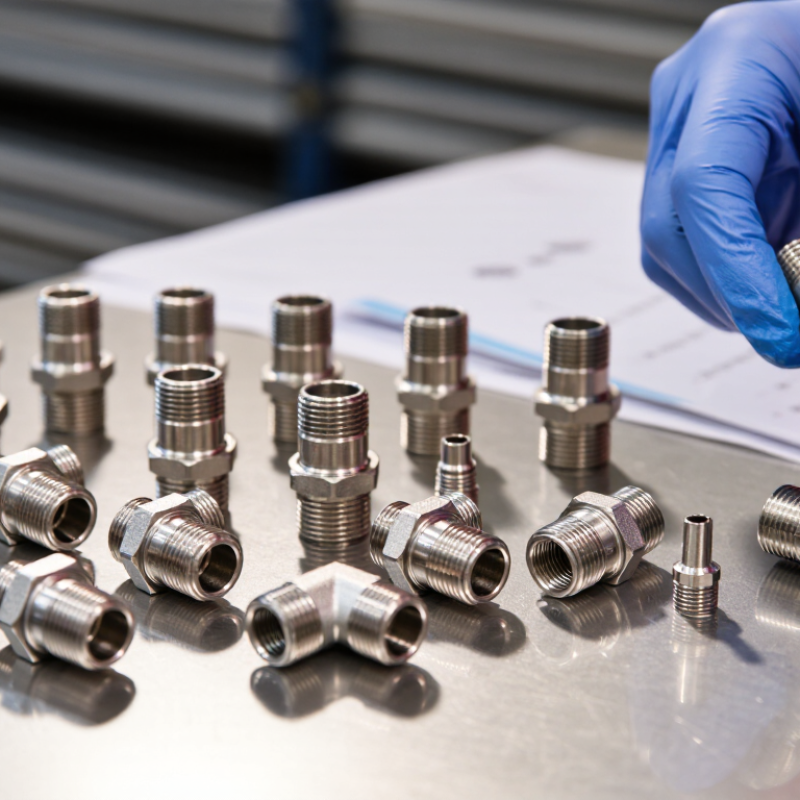
Top 316L Stainless Steel Test Point Suppliers

What Defines a 316L Stainless Steel Test Point?

A 316L stainless steel test point is a fixed access port for checking pressure, temperature, flow, or fluid quality. Its body is made from low-carbon stainless steel with molybdenum. That composition improves resistance to chlorides, moisture, and many process chemicals. The “L” also reduces carbon precipitation during welding, helping protect corrosion resistance around welded joints.

A reliable test point needs more than a 316L label. Experienced engineers check material certificates, pressure ratings, connection dimensions, and surface finish. They also examine the seal material, because an excellent metal body can still fail with an unsuitable gasket. Thread accuracy matters too. Poor threads may leak, damage instruments, or complicate repeated testing. Smooth internal passages help reduce contamination and trapped residue.

In practical installations, the test point should match the pipe size, operating temperature, and maintenance routine. A supplier should provide traceable inspection records and clear manufacturing tolerances. Independent pressure testing adds useful confidence. Yet specifications are sometimes incomplete. This is where buyers need to ask difficult questions. Is the 316L fully certified? Was the welded area inspected? Are the wetted parts truly stainless steel? A small documentation gap can become a costly maintenance problem. Even a polished fitting deserves scrutiny.

Key Material and Design Features of 316L Test Points

Top 316L Stainless Steel Test Point Suppliers

316L stainless steel test points are selected for demanding sampling and measurement environments. Its low carbon content supports better weld corrosion resistance, while molybdenum improves performance against chlorides. Material choice alone is not enough. A poorly finished connection can still trap moisture and contaminants.

During supplier evaluations, inspect the test point’s geometry, thread accuracy, and internal bore. Smooth transitions reduce dead zones around the sampling port. A compact body helps installation in crowded pipework. However, compact designs may restrict tool access. That detail is easy to overlook. Surface finish should match the process requirement, especially in hygienic or chemically active systems. Electropolishing can improve cleanability, but it may not suit every application.

Reliable suppliers should provide heat numbers, material certificates, dimensional records, and pressure-test evidence. Confirm whether passivation follows fabrication and welding. Ask how weld discoloration is removed. Small discoloration marks may signal weak process control, although appearance alone cannot prove failure. In practical inspections, thread damage often causes more trouble than expected. Protecting threads during packaging matters. I would also question vague temperature and pressure ratings. They need defined conditions, not attractive numbers. Supplier consistency matters across repeated batches, yet even strong quality systems deserve periodic verification.

Types of Suppliers and Their Product Capabilities

Types of Suppliers and Their Product Capabilities

316L stainless steel test points are available from several supplier types. Mill-linked manufacturers often offer material certificates, defined pressure ratings, and standard connection options. Instrumentation distributors may provide compact test points, matching adapters, and replacement seals from stock. Hygienic-process specialists focus on smooth finishes, cleanable connections, and designs suited to food or pharmaceutical equipment. Custom fabricators can adapt port positions or thread forms, but buyers should verify dimensions and inspection records.

The World Stainless report Stainless Steel in Figures 2024 records 58.4 million tonnes of global stainless steel production in 2023. That scale supports a broad supply chain, but it does not guarantee every test point is suitable for a specific service. Ask for the 316L material certificate, pressure-temperature limits, seal material, and evidence of inspection. For critical systems, confirm whether the supplier can provide positive material identification or documented pressure testing. Small details matter.

A polished product photo is not enough. A port that fits a hand-held gauge may still obstruct access on a crowded manifold. Check thread standards, probe clearance, and whether the connection can be capped between readings. One gap remains: supplier catalogs do not always explain how surface finish or cleaning affects the intended process. Request the missing details before specifying the part.

How to Evaluate 316L Test Point Suppliers

Top 316L Stainless Steel Test Point Suppliers

How to Evaluate 316L Test Point Suppliers

Choosing a 316L stainless steel test point supplier takes more than comparing prices. Ask for material traceability and a mill test report that matches the delivered parts. For critical installations, confirm whether the supplier can provide positive material identification records. Details matter. Check the stated pressure and temperature limits against your actual operating conditions, not just the product listing. Request dimensional drawings, including connection type, insertion length, and port size. A mismatch can turn a simple installation into rework.

Look closely at manufacturing and inspection practices. Ask how welds are examined, whether surfaces are passivated, and how parts are protected from contamination before shipment. A small, clean sample can reveal machining quality and finish, but it cannot prove consistent production. Ask how inspection results are recorded for each batch. Communication is a useful test, too: a capable supplier should answer technical questions clearly and flag missing specifications. No checklist catches every field condition. I would still verify fit and access with the maintenance team before ordering, especially where gloves, insulation, or tight pipe spacing affect handling. Delivery promises matter, but dependable records and practical support are often more valuable over the service life.

Industries and Applications Served by Leading Suppliers

Leading 316L stainless steel test point suppliers serve chemical processing, oil and gas, power generation, water treatment, and food production. Their fittings give technicians access to operating lines for pressure checks, sampling, or instrument connection. In chemical plants, compact test points may sit beside pumps, dosing skids, and narrow pipe runs.

NACE International’s IMPACT study estimated global corrosion costs at US$2.5 trillion, or 3.4% of global GDP. That figure explains why material selection matters, but it does not make 316L suitable for every fluid. No alloy is magic.

Petrochemical facilities are a major application. The International Energy Agency reported that petrochemicals accounted for 12% of global oil demand in 2017, reflecting the sector’s scale and complex process networks. Test point suppliers serving these sites need to consider pressure rating, temperature, media compatibility, and connection type—not just the steel grade.

Water utilities and power plants also use access points for routine monitoring, where moisture, vibration, and maintenance frequency shape the specification. On food lines, cleanable surfaces and suitable seals matter. Details are easy to miss. A careful supplier will ask about the actual process conditions before recommending a fitting; even then, the final selection should be checked against the system design.

FAQS

What is a 316L stainless steel test point?

It is a fixed port for checking pressure, temperature, flow, or fluid quality. Small access, useful checks.

What does “L” mean in 316L?

It indicates low carbon content, which helps reduce carbon precipitation during welding. Weld areas still need inspection.

Why is 316L used for test points?

Its molybdenum content improves resistance to chlorides, moisture, and many process chemicals. Conditions still matter.

What documents should buyers request?

Ask for a material certificate, a matching mill test report, and traceable inspection records. Records should match the delivered parts.

Which dimensions should be checked before ordering?

Confirm pipe size, connection type, insertion length, and port size. A few millimeters can cause rework.

How can buyers assess manufacturing quality?

Ask about weld inspection, surface passivation, and protection from contamination before shipment. Request batch inspection results, too.

Why do seals and threads matter?

An unsuitable gasket can leak, even with a sound metal body. Poor threads may damage instruments or complicate repeat testing.

Is a sample enough to confirm quality?

No. A clean sample shows machining and finish, but not consistent production. I would verify records and fit with maintenance staff, too.

Conclusion

A 316l Stainless Steel Test Point is a connection designed to provide convenient access for pressure measurement, sampling, or system monitoring. Its 316L stainless steel construction is valued for corrosion resistance and suitability for demanding environments. Important design considerations include connection type, pressure and temperature ratings, dimensions, sealing method, and compatibility with the process medium. Suppliers may offer standard configurations, custom options, or complementary fittings to support different installation needs.

When evaluating suppliers, compare material documentation, manufacturing consistency, product specifications, testing practices, delivery capability, and technical support. Clear communication and reliable quality controls can help ensure that a test point fits the intended system and operating conditions. Leading suppliers serve industries such as chemical processing, water treatment, food production, pharmaceuticals, and energy, where dependable access for inspection and measurement supports safe, efficient operations.

Amelia

Amelia

Amelia is a seasoned marketing professional with a wealth of expertise in our company’s core offerings. With an unwavering passion for driving growth and innovation, she plays a pivotal role in shaping our marketing strategies and enhancing brand visibility. A key aspect of her responsibilities......