
Essential Tips for Choosing Hydraulic Test Point Hose?

Time:2026-04-29 Author:Oliver
0%

Choosing the right Hydraulic Test Point Hose is crucial for efficient hydraulic systems. The hose plays a vital role in maintaining performance and safety. It connects various components while facilitating accurate pressure testing.

Consider the material of the hose. Different applications may require different materials for durability. For example, rubber or thermoplastic options may suit specific pressures better than others. It’s essential to assess the operating environment. High temperatures can degrade certain materials quickly.

Look into the pressure rating carefully. Exceeding this limit can lead to dangerous failures. Moreover, the hose length can impact the accuracy of pressure readings. A longer hose can introduce errors that might compromise your tests. Always select a Hydraulic Test Point Hose that aligns with your specific needs to ensure reliable results.
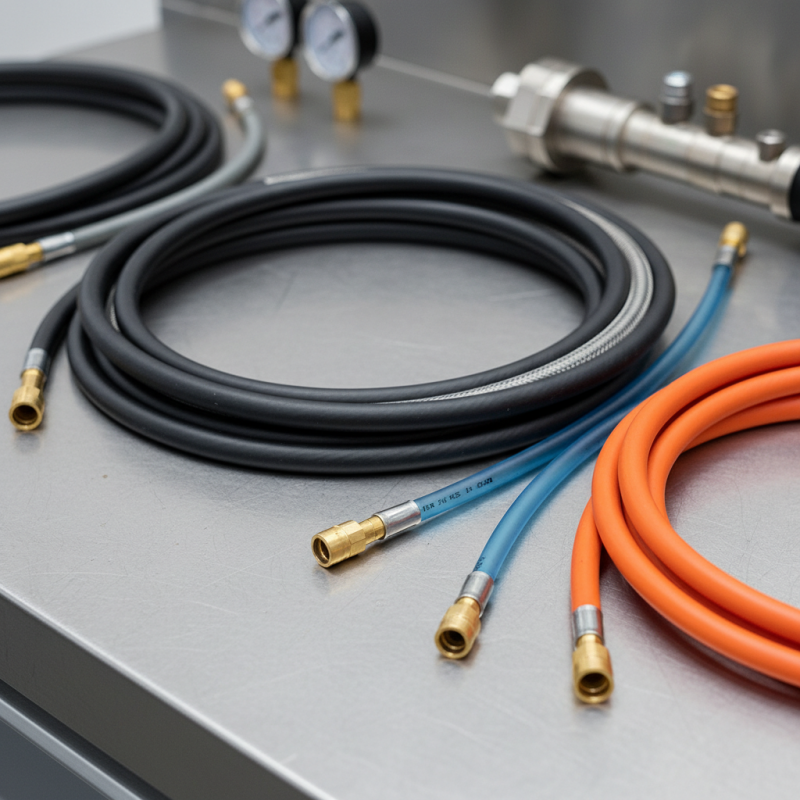
Essential Tips for Choosing Hydraulic Test Point Hose?

Understanding the Role of Hydraulic Test Point Hoses in Systems

Hydraulic test point hoses play a crucial role in hydraulic systems. They provide access for pressure monitoring and fluid sampling. Understanding their function helps ensure system safety and efficiency. Proper selection of these hoses is essential for optimal performance.


When choosing a hydraulic test point hose, consider flexibility and durability. The hoses should withstand high pressures without bursting. Look for materials that resist wear and corrosion. Temperature tolerance is also critical. Ensure they can operate effectively in your environment.


It's often overlooked that the right length matters. A hose that is too long can create pressure drops. Excessive bending may lead to wear over time. Always assess your system requirements before making a choice. Small details can significantly impact the overall operation and safety of hydraulic systems.

Key Material Considerations for Hydraulic Test Point Hose Durability

Selecting the right hydraulic test point hose is essential for maintaining system integrity. Material choice plays a critical role in durability. Common materials include synthetic rubber, thermoplastics, and metal reinforcements. Each has unique benefits and drawbacks.

Synthetic rubbers are often flexible and resistant to various fluids. However, they may degrade faster under extreme temperatures. Thermoplastics can offer chemical resistance and impact toughness. Yet, they might struggle with high-pressure applications. Metal reinforcements can provide additional strength but may increase weight.

It's essential to consider environmental factors too. Extreme temperatures, chemicals, and pressure variations affect hose performance. Regular inspections are necessary to detect wear and tear. Choosing the right material can drastically improve lifespan. Balancing flexibility and strength is a challenge. Sometimes, a compromise is needed to find the best solution.

Essential Tips for Choosing Hydraulic Test Point Hose

Essential Specifications for Hydraulic Test Point Hose Selection

When selecting hydraulic test point hoses, it is crucial to consider essential specifications that ensure safety and efficiency. The hose's pressure rating is paramount. Data indicates that hoses should be rated for at least 1.5 times the maximum working pressure. This provides a buffer against sudden pressure spikes, which can be dangerous.

Material selection plays a significant role too. Common materials like rubber and thermoplastics offer flexibility. However, they may not always withstand extreme temperatures. According to industry standards, hoses should operate effectively within a temperature range of -40°F to 250°F. This ensures they perform well in diverse environments, enhancing reliability.

Connectivity is another key aspect. The right fittings must match the hose specifications. Misalignment in size can lead to leaks or failures. Choose connectors that comply with industry standards. Attention to detail in these areas can prevent small issues from becoming critical failures in the field.

Common Industry Standards for Hydraulic Test Point Hoses

When choosing hydraulic test point hoses, understanding industry standards is crucial. These standards ensure safety and reliability. Many professionals rely on the SAE J517 standard, which specifies performance requirements for hydraulic hoses. This standard outlines the hose construction, burst pressure, and temperature rating. It’s essential to select hoses that meet or exceed these specifications to guarantee performance.

Additionally, testing for pressure capabilities is vital. According to ISO 18752, hoses must withstand certain pressure ranges specific to their intended application. This includes tensile strength and resistance to damaging conditions. Choosing hoses that adhere to these standards minimizes the risk of failure during operation.

A common oversight is not considering the environment in which the hoses will be used. Hoses must be durable enough to handle extreme temperatures or exposure to chemicals. Ignoring these factors can lead to premature wear. It's crucial to balance the technical aspects with real-world applications. Ensuring compliance with industry standards strengthens overall system reliability and enhances safety protocols.

Impact of Hose Diameter and Length on System Performance

When selecting hydraulic test point hoses, the diameter and length can significantly impact system performance. Industry reports indicate that a hose diameter that is too small can restrict fluid flow, leading to high-pressure losses. For instance, a study presented by the Fluid Power Society highlighted that a reduction of just 1/8 inch in diameter can result in up to a 20% drop in efficiency. This efficiency loss can affect overall hydraulic system performance and responsiveness.

Another crucial factor is the length of the hose. Longer hoses tend to introduce additional friction, which can also impede flow rates. In practical applications, a 10-foot increase in hose length could lead to a pressure drop equivalent to losing an entire hydraulic circuit. Users often underestimate these effects, wrongly believing that longer hoses will not significantly impact performance.

Tips: Always evaluate the required flow rate and pressure when choosing hose specifications. Ensure that your selections align with hydraulic design standards to maintain optimal system efficiency. Regularly review your hydraulic systems for any inefficiencies that may arise from improper hose choices. This proactive approach can help identify issues before they escalate.

FAQS

: What is the importance of the hose's pressure rating?

: The hose's pressure rating should be at least 1.5 times the maximum working pressure to ensure safety.

What materials are commonly used for hydraulic test point hoses?

Rubber and thermoplastics are common. They offer flexibility but may struggle in extreme temperatures.

What temperature range should hydraulic hoses operate within?

Hoses should perform effectively in temperatures from -40°F to 250°F for reliability in diverse environments.

Why is connectivity crucial for hydraulic hoses?

Properly sized fittings prevent leaks and failures. Misalignment can lead to critical issues in operation.

What is the SAE J517 standard?

It specifies performance requirements for hydraulic hoses, including construction and burst pressure.

How can industry standards minimize failure risk?

Selecting hoses that meet or exceed these standards enhances performance and reduces operational risks.

What is a common oversight when selecting hoses?

Not considering the environment of use can lead to premature wear and system failures.

How does temperature exposure affect hoses?

Extreme temperatures can damage hoses. Always consider operating conditions during selection.

What can improve overall system reliability?

Ensuring compliance with relevant industry standards strengthens safety protocols and reliability.

Why is attention to detail important in hose selection?

Small issues, like incorrect fittings, can escalate into critical failures if overlooked.

Conclusion

When selecting a Hydraulic Test Point Hose, it is crucial to understand its essential role in hydraulic systems. These hoses serve as critical connections for testing system pressure and ensuring operational integrity. Key material considerations include durability and resistance to environmental factors, as these attributes significantly impact the hose's longevity and performance.

Additionally, essential specifications such as pressure rating, temperature resistance, and compatibility with hydraulic fluids must be taken into account. Adhering to common industry standards will ensure reliability and safety. Furthermore, the hose diameter and length can greatly influence system performance; therefore, careful selection aligned with system requirements is vital for optimal functionality.

Oliver

Oliver

Oliver is a seasoned marketing professional with a wealth of expertise in driving brand awareness and engagement. With a deep understanding of our company's product offerings, he consistently delivers high-quality content that enriches our professional blog. His insights not only shed light on......