
Why Choose Pressure Measuring Coupling for Accurate Measurements?

Time:2026-06-13 Author:Sophia
0%

Accurate measurements are crucial in various industries, making the role of Pressure Measuring Coupling indispensable. According to Dr. Emily Carter, a leading expert in the field, "Precision in pressure measurement is the backbone of efficient operations." This underscores the significance of choosing the right technology for any application.

Pressure Measuring Coupling is designed to provide reliable and accurate readings. Its robust construction ensures durability in challenging environments. However, the need for precision also comes with challenges. The choice of materials, design, and calibration can affect accuracy. Thus, understanding these factors is essential for effective use.

Many professionals often overlook the importance of calibration, assuming that all couplings deliver the same level of performance. This can lead to serious measurement errors. As industries increasingly depend on precise data, the use of Pressure Measuring Coupling becomes a key factor in achieving operational excellence. Addressing common issues in pressure measurement can lead to significant improvements.
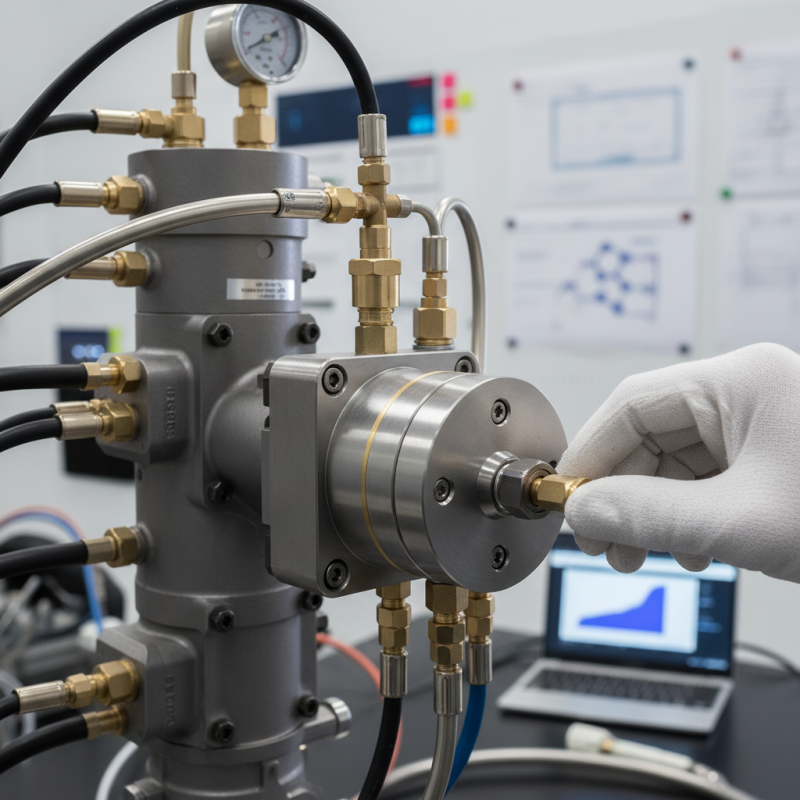
Why Choose Pressure Measuring Coupling for Accurate Measurements?

Benefits of Using Pressure Measuring Coupling for Measurement Precision

Pressure measuring couplings are crucial for ensuring measurement precision in various industrial applications. These couplings allow real-time monitoring of pressure, which is vital in systems such as oil and gas, chemical processing, and HVAC. According to a recent report by the International Society of Automation, accurate pressure measurements can improve process efficiency by up to 15%. This efficiency gain comes from reducing equipment downtime and minimizing product losses.

The benefits of using pressure measuring couplings extend beyond efficiency. They provide reliable readings that are essential for safety. Inaccurate pressure readings can lead to catastrophic failures. Data from the Occupational Safety and Health Administration highlights that over 4,700 workplace injuries per year are related to pressure system malfunctions. This emphasizes the need for reliable pressure measurement solutions in preventing accidents.

Despite these advantages, it is essential to consider the limitations of pressure measuring couplings. Installation and calibration errors can occur, potentially jeopardizing measurement accuracy. A study by the American Society for Quality found that around 20% of pressure instruments failed to meet operational standards due to improper maintenance. Regular training and best practices are necessary to mitigate these issues and ensure long-term reliability in measurement systems.

Overview of Pressure Measuring Coupling Technology and Functionality

Pressure measuring couplings play a crucial role in various industries, including oil and gas, manufacturing, and aerospace. These devices enable precise monitoring of pressure levels in critical systems. They are designed to withstand extreme conditions, ensuring reliability and accuracy in measurements. According to a report by the International Society of Automation, accurate pressure measurements can enhance system efficiency by up to 15%.

The technology behind pressure measuring couplings involves high-quality materials and advanced engineering techniques. They often feature stainless steel or specialized alloys, which offer durability under high stress. The functionality of these couplings includes real-time data transmission to monitoring systems, improving operational effectiveness. However, challenges remain. For instance, incorrect installation can lead to measurement errors. It's essential for operators to be trained on proper use and maintenance techniques.

In some cases, environmental factors can impact performance. Vibration and temperature fluctuations may compromise the accuracy of readings. Yet, ongoing advancements in sensor technology are addressing these issues. Despite the complexity of these devices, their contribution to maintaining safe operational standards is irrefutable. The need for continual education and adaptation in this field is vital for achieving optimal results.

How Pressure Measuring Couplings Enhance Measurement Accuracy

Pressure measuring couplings are essential for ensuring precise measurements in various industrial applications. They help eliminate inaccuracies that can arise from traditional measurement methods. According to a report by the International Society of Automation, up to 30% of measurement errors can be attributed to inadequate coupling mechanisms. This highlights the critical role of pressure measuring couplings in reducing errors and improving overall measurement reliability.

These couplings enhance accuracy by providing a tight seal and stable connection between the measuring device and the system being tested. They minimize the risks associated with pressure leakage, which can skew results. For instance, a well-designed coupling can maintain pressure readings within a variance of just 1%—compared to average variances of up to 5% found in traditional settings. This kind of precision is crucial in industries like oil and gas, where even minor discrepancies can lead to serious safety hazards.

Tips: Regular maintenance of pressure measuring couplings can significantly extend their lifespan. Check for wear or deformation regularly. Further, always ensure that the installation procedures adhere to manufacturer guidelines. A slight error during installation can introduce measurement inaccuracies, which are often overlooked.

Applications of Pressure Measuring Couplings in Various Industries

Pressure measuring couplings play a vital role across various industries. In the automotive sector, for instance, they ensure precise measurements in fuel systems. A study by the Society of Automotive Engineers showed that accurate pressure readings can enhance engine efficiency by up to 15%. This demonstrates how vital these couplings are in optimizing performance and reducing emissions.

In the pharmaceutical industry, maintaining pressure levels is crucial during the manufacturing process. According to a report by the International Society for Pharmaceutical Engineering, pressure accuracy can impact product quality significantly. Accurate measurements help prevent contamination and ensure the integrity of drug formulations. Even minor variations can lead to costly errors and affect patient safety.

Moreover, in the oil and gas sector, pressure measuring couplings are essential for safety. Inaccurate pressure readings can lead to catastrophic failures. A review from the American Petroleum Institute highlights that up to 80% of pipeline incidents stem from pressure mismanagement. This emphasizes the need for reliable pressure measurement tools. While many industries benefit from these couplings, challenges remain. Sometimes, factors such as temperature fluctuations can affect measurements. Continuous improvement in technology and practices is necessary to enhance reliability.

Factors to Consider When Selecting a Pressure Measuring Coupling

When selecting a pressure measuring coupling, several critical factors come into play. Firstly, compatibility with the fluid is crucial. Different fluids have varied properties, like viscosity and corrosiveness. A coupling that works well with water may not perform as effectively with oil or chemicals. Understanding the characteristics of the fluid ensures reliable measurements.

Another important consideration is the pressure range of the application. Some couplings can only handle specific pressure limits. It’s essential to choose a coupling that can operate safely within the required pressure range. A mismatch can lead to inaccurate readings or even equipment failure. Assessing the operational conditions is vital.

Material choice also impacts the coupling's performance. Materials like stainless steel offer durability and resistance to corrosion. However, they can be heavier. Lighter materials might not withstand high pressures. Balancing weight and strength is a challenge. Choosing the right coupling requires careful thought and reflection. Conducting tests or consulting experts can provide deeper insights.

Pressure Measuring Coupling Performance Comparison

This chart compares the measurement accuracy of different pressure measuring couplings, providing insight into their performance. Coupling A leads with 95% accuracy, followed by Coupling B, C, and D.

FAQS

: What are pressure measuring couplings?

: They are devices that monitor pressure levels in industries like oil and gas, manufacturing, and aerospace.

How do these couplings enhance measurement accuracy?

They provide a tight seal and stable connection, reducing errors from pressure leakage.

Why is regular maintenance important?

Regular checks for wear or deformation can extend the lifespan and reliability of pressure measuring couplings.

What industries utilize pressure measuring couplings?

They are used in automotive, pharmaceutical, and oil and gas industries to ensure precise measurements.

What challenges do pressure measuring couplings face?

Environmental factors like temperature fluctuations and incorrect installation can impact their performance.

How can installation errors affect measurement?

Slight mistakes during installation can lead to significant inaccuracies that are often overlooked.

What can be the consequence of inaccurate pressure readings in oil and gas?

It may lead to catastrophic failures, highlighting the critical need for reliable measurement tools.

How does education play a role in using these devices?

Operators must be trained properly to avoid common mistakes and enhance operational effectiveness.

What is the significance of maintaining pressure accuracy in pharmaceuticals?

Accuracy prevents contamination and ensures the integrity of drug formulations, impacting patient safety.

Can advancements in technology improve performance?

Yes, ongoing improvements in sensor technology are addressing many performance issues faced by couplings.

Conclusion

Pressure Measuring Coupling plays a crucial role in achieving accurate measurements across various applications. By utilizing advanced technology, these couplings enhance measurement precision by ensuring a stable connection and reducing errors attributable to vibration or temperature fluctuations. Their effective functionality allows for real-time pressure monitoring, making them invaluable in industries such as oil and gas, manufacturing, and aerospace.

When selecting a Pressure Measuring Coupling, several factors must be taken into account, including compatibility with the specific measurement system, material resilience, and environmental conditions. Understanding the different applications and the benefits of using such couplings can significantly improve measurement accuracy and reliability, ultimately leading to enhanced operational efficiency in various sectors.

Sophia

Sophia

Sophia is a dedicated marketing professional with an exceptional depth of knowledge about her company's products and services. With a keen understanding of market trends and customer needs, she crafts insightful blog posts that not only inform but also engage readers, enriching the company’s online......