
What is a Metric Hydraulic Test Point and its Benefits?

Time:2026-05-28 Author:Henry
0%

The Metric Hydraulic Test Point is an essential component in hydraulic systems. It serves as a vital interface for measuring and maintaining fluid pressure. Proper monitoring ensures system efficiency and safety. This component allows for precise diagnostics, giving technicians clear insights into system performance.

Utilizing a Metric Hydraulic Test Point can enhance reliability in various applications. It helps identify leaks and pressure drops, which could lead to failures. However, improper usage or lack of maintenance may hinder its effectiveness. Understanding its role in the hydraulic landscape is crucial. Technicians must grasp both its benefits and limitations to ensure optimal operation.

Incorporating a Metric Hydraulic Test Point into regular checks can improve overall system health. These points provide data crucial for maintenance planning. Yet, it's important to remain vigilant about potential risks. Relying solely on this tool without comprehensive analysis may lead to oversights. Continuous learning and adaptation are key for those working with hydraulic systems.
What is a Metric Hydraulic Test Point and its Benefits?

What is a Metric Hydraulic Test Point?

A Metric Hydraulic Test Point is an essential component in hydraulic systems. It provides a standardized location for pressure measurements. This allows for efficient diagnostics and testing of hydraulic circuits. These test points often comply with international metric standards, facilitating easier integration into various systems. They ensure accuracy and reliability during pressure assessments.

In the field, the presence of a Metric Hydraulic Test Point streamlines the testing process. Technicians can quickly connect testing equipment. This saves time and enhances safety by reducing potential leaks or errors. However, it's important to choose the right location for installation. Misplacement can lead to inaccurate readings or accessibility issues. Every setup requires careful consideration of these factors.

Understanding the specifics of a Metric Hydraulic Test Point can prove challenging. Not all technicians are familiar with proper installation techniques. Training and hands-on experience are crucial in this aspect. Ultimately, while these test points offer numerous advantages, they also demand a commitment to precision and detail in their application.

Key Components of Metric Hydraulic Test Points

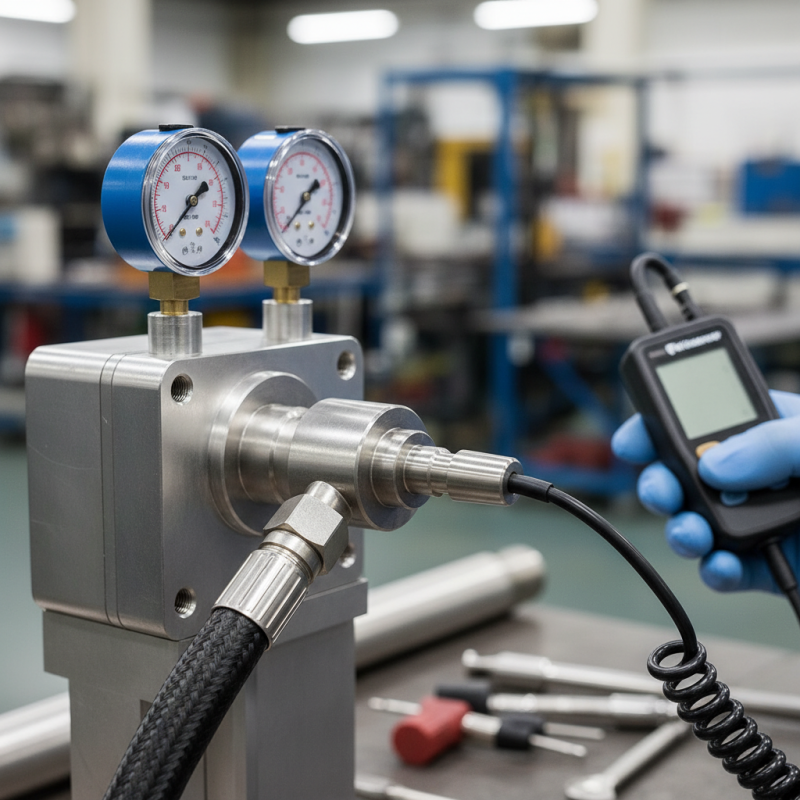
Metric hydraulic test points serve critical roles in hydraulic systems. They provide access for measuring pressure and fluid samples. A standard test point typically includes a valve, a port, and a fitting. These components allow for easy connection to measurement instruments without disrupting system operations. This ease of access is vital in maintaining system health.

The valve acts as a crucial control mechanism. It helps prevent fluid loss when taking measurements. The port size and design are essential for accurate readings. A well-designed port minimizes flow turbulence and ensures reliable data. Test point fittings are also significant. They must be compatible with various tools to ensure versatility.

Despite their advantages, there are challenges. Misalignment during installation can lead to leaks. Regular inspections are necessary to avoid worn components. Educating personnel on proper usage is vital. The effectiveness of these points greatly depends on the user’s knowledge and skills. This ultimately impacts system efficiency.

Benefits of Metric Hydraulic Test Points

Industry Standards for Metric Hydraulic Test Points

Metric hydraulic test points play a critical role in ensuring system integrity and safety in various industries. The industry standards for these test points are guided by several recognized organizations, including ISO and SAE. These standards specify dimensions, pressure ratings, and material properties. Compliance with these standards is vital for reliable testing. According to a report by the International Organization for Standardization, adherence to established metrics can reduce system failures by over 30%.


Using metric test points offers several advantages. They are often easier to integrate with existing metric systems. This compatibility can improve maintenance efficiency. Additionally, proper usage can enhance the accuracy of hydraulic measurements. A recent study from the Hydraulic Institute indicated that accurately monitored systems can lead to significant energy savings, decreasing operational costs by 20% annually.


Tips: Ensure regular assessment of your test points for wear. Consider using a consistent maintenance schedule. This practice can mitigate risks significantly. Matching the test point size with your system’s requirements can prevent leaks. Always refer to the relevant industry standards for the most reliable guidance.

Benefits of Using Metric Hydraulic Test Points in System Analysis

Metric hydraulic test points are crucial for effective system analysis. They allow engineers to monitor and measure fluid pressure in hydraulic systems accurately. This data is invaluable for optimizing performance and ensuring safety. Each test point offers a direct means to assess system health without unnecessary disruptions.

One of the significant benefits of using metric hydraulic test points is their compatibility with various fittings and tools. This flexibility simplifies maintenance procedures and reduces downtime. The precision they offer ensures that the assessments are reliable, which can enhance system reliability overall. Accurate measurements help identify issues before they escalate.

Tips for effective use of metric hydraulic test points:

  • Regular inspection and maintenance of these points.
  • Ensure that they are always clean and accessible.
  • This practice can prevent potential leaks and improve your analysis accuracy.
  • Having standardized test points saves time when conducting tests and increases system efficiency.
  • Small adjustments in these areas can lead to noticeable improvements in system performance.

Data Insights: Performance Metrics from Hydraulic Testing Techniques

Hydraulic testing techniques provide critical insights into system performance. These tests leverage pressure data to evaluate efficiencies. Accurate measurements reveal how well hydraulics function. They also identify potential areas for improvement.

Performance metrics from hydraulic testing can transform operations. For instance, a decrease in pressure drop indicates effective fluid flow. If pressure levels fluctuate, it may signal a leak. Consistent data monitoring helps enhance reliability over time. Patterns observed can guide maintenance schedules and upgrades. Using these metrics optimizes performance and reduces downtime.

However, challenges remain in data interpretation. Not all tests yield clear results. Sometimes, external factors distort findings. Continuous learning is essential to refine testing methods. By addressing these complexities, businesses can unlock more reliable hydraulic systems.

FAQS

: What are the main components of metric hydraulic test points?

: Metric hydraulic test points include a valve, a port, and a fitting. These enable easy access for measuring pressure.

Why is the valve important in hydraulic test points?

The valve prevents fluid loss during measurements. It controls the flow to ensure accurate data collection.

How do port design and size affect measurements?

A well-designed port minimizes flow turbulence, leading to more reliable and accurate readings in hydraulic systems.

What benefits do metric hydraulic test points provide for system analysis?

They allow precise monitoring of fluid pressure, optimizing performance and ensuring the safety of hydraulic systems.

What is a challenge associated with using hydraulic test points?

Misalignment during installation can cause leaks. Regular inspections are needed to ensure components are in good condition.

How can performance metrics from hydraulic testing improve operations?

Monitoring pressure data helps identify areas needing improvement, enhancing system reliability and reducing downtime.

What should be considered for effective use of hydraulic test points?

Regular cleaning and inspection are vital. Ensure test points are accessible to prevent potential issues and improve accuracy.

Why is educating personnel on test point usage important?

Knowledgeable users can maximize the effectiveness of test points. This impacts both the efficiency and reliability of the system.

What common issues may arise during hydraulic testing?

External factors might distort findings, making data interpretation challenging. Continuous learning is essential to overcome this.

How can small adjustments impact hydraulic systems?

Minor changes in inspection routines or test point accessibility can lead to significant improvements in system performance over time.

Conclusion

A Metric Hydraulic Test Point is a crucial device used in hydraulic systems for performance evaluation and system monitoring. It consists of various key components that enable precise measurement and analysis of hydraulic fluid pressure and flow. Complying with industry standards, these test points ensure reliability and accuracy in data collection, making them essential in various applications.

The benefits of using Metric Hydraulic Test Points in system analysis are significant. They facilitate easy access for testing, which allows for timely maintenance and troubleshooting, ultimately leading to enhanced efficiency and reduced downtime. Additionally, the data insights gained from hydraulic testing techniques provide valuable performance metrics that can help optimize system design and operation, ensuring that hydraulic systems run smoothly and effectively.

Henry

Henry

Henry is a dedicated marketing professional with a profound expertise in the company's offerings. With years of experience in the industry, he possesses an impressive understanding of the market dynamics and consumer behaviors that drive success. Henry is committed to sharing his insights through......