
What is Hydraulic Test Fittings and How to Choose Them?

Time:2026-08-06 Author:Isabella
0%

Hydraulic Test Fittings are essential components in various hydraulic systems. They ensure accurate and safe testing of hydraulic circuits. In industries like construction and manufacturing, the reliability of these fittings can’t be overstated. Selecting the right hydraulic test fittings can prevent costly failures.

Quality matters in hydraulic test fittings. Poor choices can lead to leaks or system failures. Consider factors like pressure ratings and material durability. Different applications require specific types. For instance, stainless steel fittings provide corrosion resistance, ideal for harsh environments.

Understanding the nuances of hydraulic test fittings is vital. Not every fitting suits every task. Testing your choices can reveal performance issues. Strive for a balance between cost and reliability. In this way, you will ensure optimal system performance.
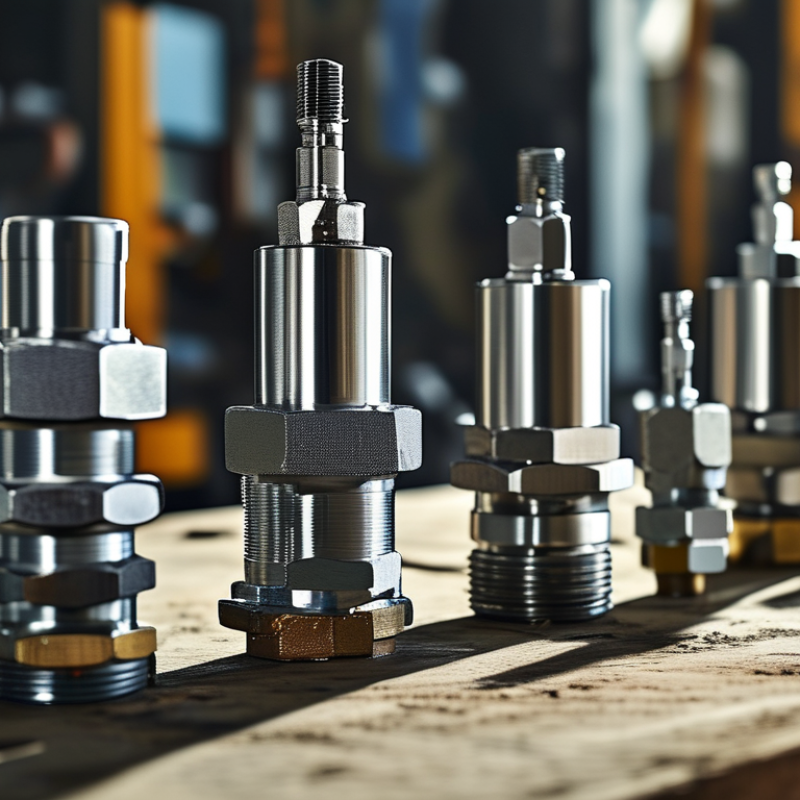
What is Hydraulic Test Fittings and How to Choose Them?

What Are Hydraulic Test Fittings and Their Purpose?

Hydraulic test fittings play a crucial role in ensuring the safety and efficiency of hydraulic systems. These specialized components allow technicians to conduct pressure tests on hydraulic circuits. By connecting to test equipment, they help identify leaks, verify pressure ratings, and assess overall system integrity. The need for reliable testing cannot be overstated, especially in critical applications where failure is not an option.

Choosing the right hydraulic test fittings is essential. Factors to consider include the fitting's material and size. Common materials range from stainless steel to brass, each offering different levels of corrosion resistance. It’s vital to match the fitting size with the system's specifications for a proper seal. Additionally, consider the pressure rating of the fitting, as it must withstand the system's operating pressures. However, it's easy to overlook details, leading to mismatched components. Testing these fittings before installation can prevent costly mistakes later on.

Types of Hydraulic Test Fittings and Their Applications

Hydraulic test fittings are essential for various industrial applications. They facilitate the testing of hydraulic systems, ensuring safety and functionality. There are several types of hydraulic test fittings, each designed for specific functions and environments. Common types include pressure fittings, gauge fittings, and test adapters. Each type plays a crucial role in connecting different components securely.

Pressure fittings are often used for high-pressure applications. They can endure extreme conditions and are essential in fields such as aerospace and automotive. Gauge fittings, on the other hand, allow for accurate pressure measurements during tests. They enable engineers to monitor system integrity and detect leaks or weaknesses. Test adapters are versatile and connect different types of hydraulic systems, providing flexibility during testing.

Choosing the right hydraulic test fitting is critical. It should match the intended pressure ratings and fluid compatibility. A report by the Hydraulic Institute indicates that improper fittings can lead to system failures and costly downtime. Engineers must consider material selection, often preferring stainless steel for durability. Thorough assessments of application-specific needs can lead to better outcomes.

Hydraulic Test Fittings Usage by Type

Key Factors to Consider When Choosing Hydraulic Test Fittings

When selecting hydraulic test fittings, several key factors must be considered. The material of the fittings is crucial. Common materials include stainless steel, brass, and carbon steel. Each has different strengths. For instance, stainless steel provides excellent corrosion resistance, while brass offers better conductivity in certain applications. Choosing the right material impacts longevity and safety.

Pressure ratings are another essential factor. Test fittings are subjected to various pressures during testing. Be sure to select fittings that can handle the maximum pressure. Industry reports indicate that over 30% of equipment failures arise from using inadequate fittings. Understanding the pressure requirements ensures safety and reliability in hydraulic systems.

Additionally, compatibility with existing systems cannot be overlooked. The size and threading of fittings play a pivotal role. Mismatched fittings can lead to leaks or system failure. It is worth noting that many engineers emphasize the importance of thorough testing and verification before finalizing component choices. Hence, engineers are advised to consult relevant guidelines and standards when making selections. A well-informed choice can significantly reduce downtime and repair costs.

Common Materials Used in Hydraulic Test Fittings

Hydraulic test fittings are crucial in ensuring the integrity of hydraulic systems. The right material can significantly impact their performance and durability. Common materials used in these fittings include stainless steel, carbon steel, and brass. Stainless steel is favored for its corrosion resistance and ability to withstand high pressures, making it ideal for demanding environments. Reports indicate that 80% of hydraulic systems benefit from using stainless steel fittings due to their longevity.

Brass fittings, on the other hand, are often used in lower-pressure applications. They provide excellent machinability and are relatively affordable. However, they may not hold up as well in highly corrosive settings. Carbon steel, while strong and durable, often requires protective coatings to prevent rust and corrosion. Industry experts emphasize evaluating the specific needs of your hydraulic system when choosing these materials.

Tip: Always consider the operating environment when selecting fittings. Will they face moisture, chemicals, or high temperatures?

Another factor is compatibility with the hydraulic fluid. Mismatched materials can lead to leaks and system failures. Regular maintenance and inspection remain essential in ensuring the longevity of your fittings.

Tip: Keep a record of the materials used in your hydraulic systems. This helps in future repairs or replacements.

Best Practices for Installation and Maintenance of Hydraulic Test Fittings

Installing hydraulic test fittings requires attention to detail. Properly aligning the fittings is crucial for a secure connection. Uneven surfaces can lead to leaks and inaccurate pressure readings. It's important to inspect the area for debris and ensure that the fittings surface is clean. Use thread sealant only where necessary; excess sealant can interfere with the fitting's effectiveness.

Regular maintenance is key to enhancing the lifespan of hydraulic test fittings. Check for signs of wear and tear frequently. O-rings should be replaced if they show any signs of cracking or brittleness. Corrosion can also weaken fittings. Schedule periodic inspections to identify potential issues before they become significant problems. Proper storage is essential; avoid exposing the fittings to extreme temperatures and harsh chemicals, as this can lead to deterioration.

Even with best practices, errors can occur during installation or maintenance. It's a good idea to keep a log of inspections and maintenance performed. This documentation can help you track any recurring issues. Learning from each experience ensures steady improvement. Always seek feedback from others who work with hydraulic systems to enhance your understanding and application of best practices.

FAQS

: What are hydraulic test fittings used for?

: Hydraulic test fittings are used to test hydraulic systems for safety and functionality.

What types of hydraulic test fittings exist?

Common types include pressure fittings, gauge fittings, and test adapters, each serving specific functions.

Why are pressure fittings important?

Pressure fittings endure high-pressure conditions, essential in fields like aerospace and automotive for safety.

What is the role of gauge fittings?

Gauge fittings measure pressure accurately, helping engineers monitor system integrity and detect leaks.

What should be considered when choosing a hydraulic test fitting?

Consider materials, pressure ratings, and compatibility with existing systems to ensure safety and reliability.

Why is material selection crucial for fittings?

Different materials, like stainless steel and brass, impact durability and performance in various applications.

What happens if incompatible fittings are used?

Mismatched fittings can lead to leaks, failures, and costly downtime, which engineers must avoid.

How can improper fittings affect systems?

Industry reports show that over 30% of equipment failures are due to inadequate fittings, risking safety.

What guidelines should engineers follow?

Engineers should consult relevant standards and guidelines to make well-informed component choices.

What could lead to better outcomes in hydraulic testing?

Thorough assessment of application-specific needs and diligent testing can improve overall results.

Conclusion

Hydraulic Test Fittings are specialized components used in hydraulic systems to ensure pressure integrity and leak testing. Their primary purpose is to provide a safe and reliable means for checking the performance and safety of hydraulic systems, which is crucial for maintaining operational efficiency. Various types of hydraulic test fittings exist, catering to different applications, including high-pressure environments and specific fluid types.

When selecting hydraulic test fittings, key factors to consider include the fitting type, the materials used, pressure ratings, and compatibility with existing systems. Common materials for hydraulic test fittings include steel, stainless steel, and brass, each offering unique benefits in terms of durability and corrosion resistance. To ensure optimal performance and longevity, best practices for installation and maintenance should be followed, which include regular inspections and proper torque specifications. By understanding these aspects, users can effectively choose and maintain hydraulic test fittings for their systems.

Isabella

Isabella

Isabella is a dedicated marketing professional with a sharp focus on driving brand growth and engagement through strategic content creation. With an extensive background in digital marketing, she combines her passion for storytelling with her keen understanding of industry trends to deliver......