 TM Hydraulic
What is Hydraulic Test Accessories and Why Are They Important?
Hydraulic Test Accessories play a crucial role in maintaining and verifying the integrity of hydraulic systems. According to a report by the Fluid Power Institute, 25% of hydraulic failures can be traced back to improper testing. These tools range from pressure gauges to hoses, all vital for ensuring safety and efficiency in operations.
Bob Jenkins, a hydraulic systems expert, once said, "Reliable hydraulic test accessories are the backbone of any hydraulic testing environment." This emphasizes the importance of using quality equipment. However, it's not just about having the right tools; understanding their function is equally essential. Misuse or lack of knowledge can lead to flawed results, causing costly downtime and potential hazards.
The global demand for reliable hydraulic systems is growing. As industries evolve, so do the complexities of hydraulic testing. While advancements are notable, the reliance on outdated practices persists. Regular training and updates regarding Hydraulic Test Accessories can bridge this gap, enhancing safety and system performance.
What Are Hydraulic Test Accessories?
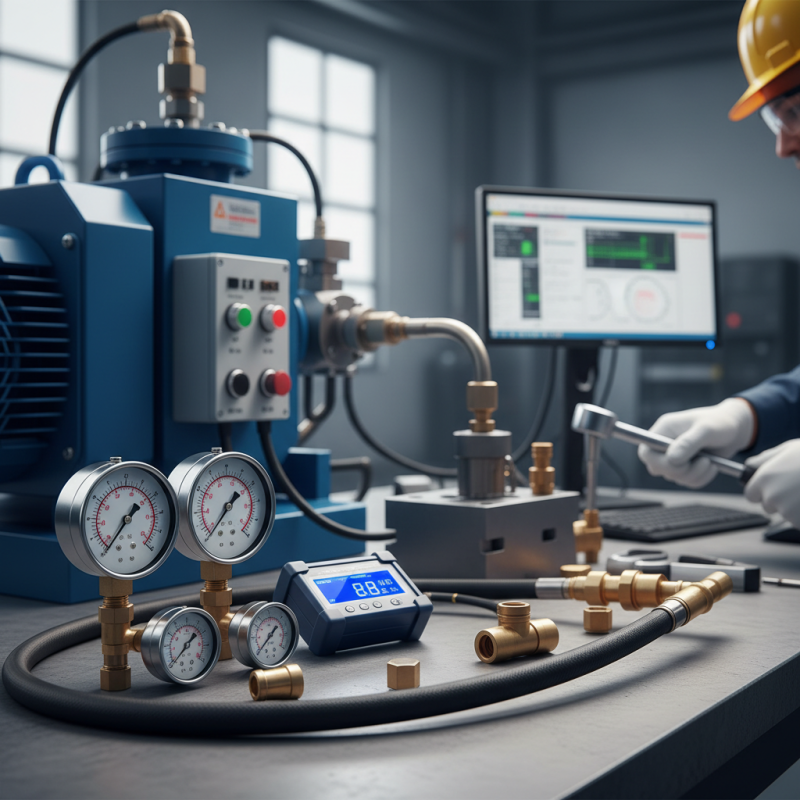
Hydraulic test accessories are crucial tools in the hydraulic testing process. They include items like pressure gauges, connectors, and hoses. Each component has a specific role during tests. These accessories ensure accurate readings and safe operations. Using the right accessory can prevent leaks and failures. A small mistake in choosing them could lead to serious issues.
These accessories are designed to withstand high pressures. Therefore, they must be durable and reliable. Having the right gauges ensures that pressure levels are monitored accurately. If a gauge fails during a test, it can disrupt the entire process. This underscores the need for regular checks and maintenance on all accessories. The condition of each part can significantly impact test outcomes.
Testing without proper accessories can be risky. Inaccurate results can arise from using worn-out or unsuitable components. Proper inspection and selection of these tools can save time and resources. Reflecting on past projects helps in choosing the right accessories. Sometimes, what seems minor can lead to big problems down the line. Prioritize quality to achieve better testing results.
What is Hydraulic Test Accessories and Why Are They Important? - What Are Hydraulic Test Accessories?
| Accessory Type | Purpose | Material | Pressure Rating (psi) | Standard Compliance |
|---|---|---|---|---|
| Hydraulic Hose | Transport fluids | Rubber/Polymer | 3000 | ISO 18752 |
| Pressure Gauge | Measure pressure levels | Stainless Steel | 5000 | ASME B40.100 |
| Hydraulic Fitting | Connect hoses and pipes | Brass | 6000 | SAE J514 |
| Test Plug | Seal hydraulic ports | Aluminum | 3000 | ASTM B211 |
| Flushing Equipment | Clean hydraulic systems | Various | N/A | N/A |
FAQS
: They ensure accurate measurements and maintain system integrity during pressure testing.
A small faulty gauge can cause catastrophic failures, leading to significant safety risks.
Training reduces human error, which is a common cause of accidents.
Look at pressure ratings, material compatibility, and the accessories' standards and certifications.
Neglecting maintenance can lead to inconsistent test results and increase the likelihood of failures.
Quality hoses and fittings can withstand extreme conditions, reducing the risk of failures.
Yes, not ensuring compatibility and overlooking necessary certifications are common errors.
Overlooking details can create serious risks, as safety involves every small accessory.
Regular inspections should be routine to identify unexpected wear and tear.
Investing time and resources can save lives and prevent costly errors in the future.
Conclusion
Hydraulic Test Accessories are essential tools used in various hydraulic testing applications to ensure the integrity and performance of equipment under high pressure. These accessories include pressure gauges, test pumps, hoses, and connectors, which facilitate accurate and reliable testing. Different types of hydraulic test accessories are available in the market, catering to diverse testing needs and environments.
The significance of hydraulic test accessories extends beyond functionality; they play a crucial role in enhancing safety measures during hydraulic operations. Choosing the right accessories is vital and involves considering factors such as compatibility, pressure ratings, and specific testing requirements. Proper maintenance and adherence to best practices further ensure their longevity and effectiveness, ultimately contributing to safer and more efficient hydraulic systems.
