
Best Hydraulic System Test Point Techniques for Accurate Results?

Time:2026-03-11 Author:Henry
0%

Hydraulic systems are vital in many industries. Accurate testing of these systems can make a big difference. According to expert John Carson, “Selecting the right Hydraulic System Test Point is crucial for precise measurements.” His insights emphasize the importance of strategy in testing.

Many technicians overlook the significance of an optimal test point. They often choose locations based on convenience, not accuracy. This choice can lead to misleading results. Consider the impact of fluid temperature at different points. A seemingly small oversight can compromise the entire system’s performance.

Inaccurate readings from poorly selected test points may lead to costly repairs. Creating a systematic approach is essential. Reflection on previous testing methods can provide useful lessons. By focusing on the right Hydraulic System Test Point, professionals can ensure better outcomes.
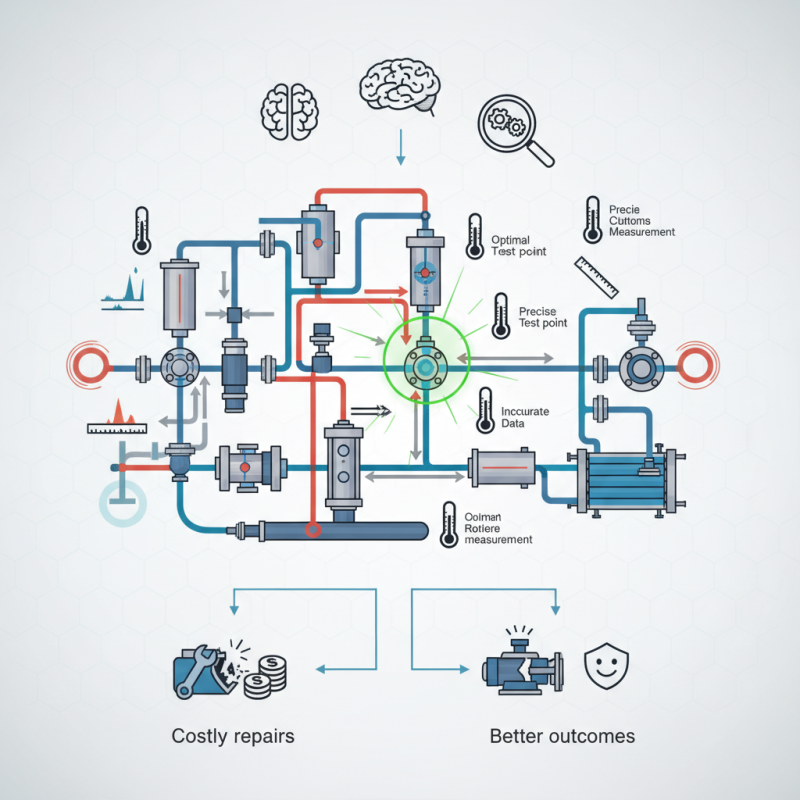
Best Hydraulic System Test Point Techniques for Accurate Results?

Overview of Hydraulic System Test Points and Their Importance

Hydraulic system test points play a crucial role in diagnosing system health. Accurate testing can prevent costly failures. According to industry reports, ineffective testing procedures can lead to 30% more downtime. Understanding where to connect and how to read data is vital.

Test points are strategic locations in a hydraulic system. They allow easy access to measure pressure, flow, and temperature. Ideally, these points should be installed in locations with minimal interference. Many systems fail because technicians overlook these critical spots. Missing a test point can degrade accuracy by up to 25%, according to analysis.

The importance of well-placed test points goes beyond convenience. They directly affect maintenance efficiency. Inadequately positioned test points can lead to misinterpretation of data. This could prompt unnecessary repairs or component replacements. Proper training on test point identification and usage can greatly enhance results. Statistics show that organizations with effective training programs experience 40% less system failure.

Key Techniques for Selecting Hydraulic Test Points

When selecting hydraulic test points, a few key techniques can lead to more accurate results. One important factor is the location of the test point. It should be near the component being tested. This reduces pressure loss in the lines, which can lead to inaccuracies. Studies show that a direct connection can improve precision by 15% or more in many cases.

Another consideration is the size of the test port. Larger ports can facilitate higher flow rates, which helps in reducing turbulence. Turbulence can cause erratic readings. According to industry reports, using a 1/4 inch port can improve flow consistency, especially in high-demand systems.

Temperature and contamination are additional aspects that require careful attention. Fluctuations in temperature can affect fluid viscosity. This may alter pressure readings. Moreover, any contamination can compromise the integrity of results. Regular cleaning and monitoring practices are essential. In conclusion, while selecting hydraulic test points seems straightforward, overlooking these details can lead to misleading outcomes.

Procedures for Preparing for Hydraulic System Tests

Hydraulic system tests are essential for ensuring optimal performance. Preparing for these tests requires careful attention to detail. Start by ensuring the system is clean. Contaminants can lead to inaccurate results and equipment damage. According to recent industry studies, nearly 30% of hydraulic failures stem from dirt and particles.

Next, check the fluid levels. Low fluid levels can skew test results. Ensure you use the right fluid type. Mismatched fluids can negatively impact the test's accuracy. A survey revealed that incorrect fluid selection leads to a 25% increase in hydraulic system failures.

Lastly, verify that all connections are secure. Loose fittings may cause pressure loss during testing. It’s crucial to inspect hydraulic hoses for wear. A small leak can lead to significant discrepancies in pressure readings. Regular maintenance and thorough preparations can dramatically enhance testing accuracy. The attention to these details can distinguish between a successful test and an unreliable outcome.

Methods to Ensure Accurate Measurements at Test Points

Accurate measurements at hydraulic system test points are crucial. Precision in these measurements can determine system efficiency and functionality. A recent industry report revealed that improper testing techniques lead to a 30% increase in system failures. Using standardized measuring devices can help mitigate this issue.

Another critical aspect is the positioning of test points. Studies indicate that test points should be placed at strategic locations to capture real-time data effectively. However, many systems follow outdated guidelines from years ago. This can contribute to inaccuracies. Continuous training for engineers on modern techniques is essential. Nothing replaces hands-on experience.

Furthermore, the environment during testing can influence results. For example, temperature fluctuations can lead to erroneous readings. It is essential to maintain a controlled environment. It's equally important to review and reflect on past testing methods. Failure to adapt can lead to repeated mistakes. Evaluating existing protocols regularly ensures ongoing accuracy in measurement.

Best Practices for Analyzing Hydraulic System Test Results

When analyzing hydraulic system test results, accurate data interpretation is crucial. A recent industry report reveals that approximately 30% of hydraulic failures are due to incorrect analysis of test data. This highlights the importance of using proper techniques for evaluating results.

One essential practice is to standardize testing conditions. Variations in temperature and pressure can significantly affect results. Ensuring consistent environmental conditions helps produce reliable data. Additionally, documenting each test’s setup thoroughly allows for better comparisons over time. Some technicians might overlook this, leading to variability in outcomes.

It's critical to consider the entire system, not just specific components. An isolated examination can lead to incomplete conclusions. For instance, 45% of faults stem from interactions between different parts of the hydraulic circuit. By adopting a holistic approach, technicians can uncover underlying issues that individual tests may miss. Thus, integrating multiple test results increases the accuracy of assessments and the longevity of hydraulic systems.

FAQS

: What are hydraulic system test points?

: Test points are locations in a hydraulic system for measuring pressure, flow, and temperature.

Why are test points important?

They help diagnose system health and prevent costly failures.

How does poor testing affect system performance?

Ineffective testing can lead to 30% more downtime and unnecessary repairs.

What should technicians focus on during testing?

It's essential to position test points effectively to capture accurate data.

How often should engineers receive training?

Continuous training is vital to keep up with modern testing techniques.

What environmental factors can affect test accuracy?

Temperature fluctuations can lead to incorrect readings during testing.

Why is documenting test setups important?

Thorough documentation allows for better comparisons and consistency over time.

How can individual tests lead to incomplete results?

An isolated examination may overlook interactions between components in the hydraulic circuit.

What is the benefit of a holistic approach in testing?

It increases the accuracy of assessments and identifies underlying issues that may be missed.

What percentage of faults come from component interactions?

Approximately 45% of faults stem from interactions within the hydraulic circuit.

Conclusion

The article "Best Hydraulic System Test Point Techniques for Accurate Results" emphasizes the critical role of Hydraulic System Test Points in evaluating the performance and reliability of hydraulic systems. It begins with an overview of these test points, highlighting their significance in diagnosing issues and ensuring system efficiency.

Key techniques for selecting appropriate test points are discussed, along with essential preparatory procedures to streamline the testing process. Methods to achieve accurate measurements at these test points are outlined, providing insights into calibration and equipment setup. Finally, the article presents best practices for analyzing test results, reinforcing the importance of meticulous data interpretation in maintaining optimal hydraulic system functionality. Overall, understanding and implementing effective Hydraulic System Test Point techniques is essential for accurate assessments in hydraulic applications.

Henry

Henry

Henry is a dedicated marketing professional with a profound expertise in the company's offerings. With years of experience in the industry, he possesses an impressive understanding of the market dynamics and consumer behaviors that drive success. Henry is committed to sharing his insights through......