
High Pressure Test Point Hydraulic What You Need to Know?

Time:2026-03-09 Author:Liam
0%

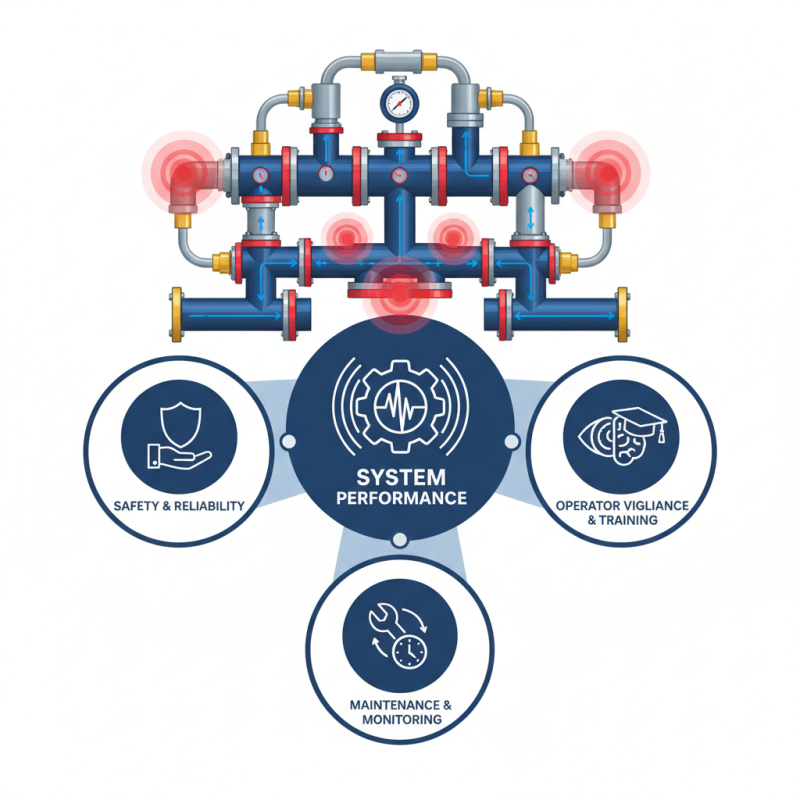
Understanding High-Pressure Test Point Hydraulic systems is crucial for various industries. These systems ensure safety and reliability in hydraulic operations. Regular testing points are commonly used to measure system performance.

High-pressure environments pose unique challenges. It requires precise techniques and equipment to handle testing effectively. Regular maintenance and monitoring are essential. Neglecting them can lead to failures and safety risks.

Operators must be vigilant in identifying potential issues. Awareness of proper procedures can mitigate risks. Each test point should be considered carefully for both effectiveness and safety. Emphasis on regular training is essential. Hydraulic systems can be complex, and continuous learning helps enhance an operator's skills.
High Pressure Test Point Hydraulic What You Need to Know?

Understanding High Pressure Test Points in Hydraulic Systems

High pressure test points are critical in hydraulic systems. They allow for safe and accurate pressure measurements. Understanding their purpose is essential for anyone working with hydraulics. Proper testing ensures system reliability and safety.

When installing high pressure test points, placement matters. They should be accessible yet protected. A poorly placed test point can lead to inaccurate readings. This can result in mechanical failures. Regular maintenance is also needed. Dirt or damage can inhibit proper functionality.

Training personnel is crucial. Even experienced operators can overlook basic procedures. They must know how to use the test points correctly. Misunderstanding the pressures involved can lead to accidents. Investing time in education helps build a safer workplace. It's a constant learning process in hydraulic maintenance.

Key Components of High Pressure Hydraulic Test Points

High-pressure hydraulic test points are crucial for various industrial applications. These test points facilitate the measurement and monitoring of fluid pressure within hydraulic systems. They help in maintaining operational efficiency and safety. Understanding the key components can enhance the use of these test points.

One essential component is the pressure gauge. This device displays the pressure level in real-time. It helps operators identify issues early. Another important part is the valve. Valves control fluid flow and, if faulty, can lead to unsafe conditions. Seals and connectors play a significant role, too. They ensure no leaks occur at the test point.

Tips: Always inspect gauges before use. Look for cracks or damage. Regular maintenance checks are vital. Replace worn-out parts immediately to avoid failures. Communication is essential when working with teams. Ensure everyone understands the system components and their functions. It’s easy to overlook a simple valve but doing so can result in significant safety risks. Always double-check and reflect on your processes.

Safety Precautions When Performing High Pressure Tests

When conducting high pressure tests, safety precautions are paramount. High pressure environments can be unpredictable. They require thorough preparation. Before starting the test, ensure all equipment is inspected. Look for wear and tear, leaks, and potential hazards. Use appropriate personal protective equipment like goggles and gloves.

It’s vital to establish a safe perimeter. Ensure that only authorized personnel are present. Communication is key; use clear signals and maintain constant contact. In an emergency, everyone should know the plan. Regularly review safety protocols. Mistakes can happen, and learning from them is crucial. Question your methods often.

After the test, double-check all equipment. Report any issues immediately. An inspection of the testing area should follow. Remember, safety is not just about following rules; it’s about cultivating a careful mindset. Stay vigilant.

Common Applications of High Pressure Test Points in Industry

High pressure test points are vital in many industries. They facilitate the monitoring and testing of hydraulic systems. These test points ensure systems operate safely and efficiently. For instance, they are crucial in aerospace for pressure testing. In this field, accuracy is paramount. High pressure testing helps prevent system failures.

Oil and gas industries also rely on high pressure test points. They are used for leak detection in pipelines. This ensures the integrity of vital resources. Regular checks can reduce risks significantly. In manufacturing, hydraulic presses benefit from these test points too. Testing helps in refining processes and improving product quality.

**Tip:** Always inspect test points regularly for wear. This can help avoid sudden failures.

Another point to consider is that training staff is essential. They should understand how to use these test points effectively. Misuse can lead to serious issues. Regular training helps in maintaining high safety standards.

**Tip:** Document all tests and results. This creates a valuable reference for future checks. It can also highlight recurring problems that need attention.

High Pressure Test Point Hydraulic: Common Applications in Industry

Application Area Pressure Range (psi) Common Uses Safety Standards
Hydraulic Systems 0 - 10,000 Pressure testing of hydraulic components ISO 9001, ASME
Oil and Gas 0 - 15,000 Maintaining pipeline integrity API 6A, ISO 14310
Aerospace 0 - 20,000 Testing aircraft hydraulic systems AS9100, ASTM
Automotive 0 - 5,000 Brake system testing ISO 26262
Manufacturing 0 - 12,000 Testing hydraulic presses and molds ISO 45001

Troubleshooting Issues with High Pressure Hydraulic Test Points

High pressure hydraulic test points are crucial in various systems. They help check pressure levels and ensure safety. However, issues can arise, leading to potential failures. Routine inspection is essential to identify leaks or blockages.

When troubleshooting, always examine connections. Loose connections may lead to pressure loss. Check hoses for wear and tear. Cracks or abrasions can lead to leaks. Listening for unusual sounds can also provide clues about underlying problems.

Tips: Regular maintenance is key. Schedule more frequent checks if you notice repeated issues. Document all findings for future reference. It may seem tedious, but this can save time and resources later. Keeping a log helps identify patterns that could signal significant problems.

FAQS

: What are high pressure test points used for in hydraulic systems?

: They allow safe and accurate pressure measurements to ensure system reliability and safety.

Why is the placement of test points important?

Proper placement ensures accessibility and protects against inaccurate readings that can cause failures.

What maintenance is required for high pressure test points?

Regular checks for dirt and damage are needed to ensure functionality and prevent issues.

What are some key components of high pressure hydraulic test points?

Important components include pressure gauges, valves, seals, and connectors, all essential for safety.

How should personnel be trained regarding test points?

Training is vital; operators must understand how to use test points to avoid accidents and ensure safety.

What common applications utilize high pressure test points?

They are used in aerospace, oil and gas, and manufacturing for monitoring and testing hydraulic systems.

How can overlooking simple components affect safety?

Forgetting a faulty valve or gauge can lead to significant safety risks during operations.

What should operators do to prevent sudden failures?

Regularly inspect test points and document all tests to highlight any recurring issues.

Why is communication among team members important?

Effective communication ensures everyone understands the system components, which helps prevent mistakes.

Can experienced operators still make mistakes?

Yes, even knowledgeable personnel can overlook basic procedures, highlighting the need for ongoing training.

Conclusion

High-Pressure Test Point Hydraulic systems are integral to ensuring the efficiency and safety of various hydraulic applications. Understanding these test points is crucial, as they consist of key components such as fittings, hoses, and gauges that facilitate pressure assessments. When conducting high-pressure tests, adhering to safety precautions is paramount to avoid hazardous situations, including potential equipment failure or pressure bursts.

These test points are commonly used across several industries, from manufacturing to aerospace, where precise pressure measurements are essential. Additionally, troubleshooting issues with high-pressure hydraulic test points involves identifying leaks, checking fittings, and ensuring calibrated gauges, which can enhance system performance and reliability. Knowledge of these elements allows professionals to effectively manage hydraulic systems, ensuring optimal operational integrity.

Liam

Liam

Liam is a dedicated marketing professional with a profound expertise in the industry, where he excels at highlighting the unique advantages of our core products. With a keen understanding of market trends and consumer needs, Liam frequently updates our company’s professional blog, providing......