High Pressure Test Hose Buying Tips for Global Buyers?

Time:2026-07-07 Author:Sienna
0%

In the competitive world of high-pressure applications, choosing the right High Pressure Test Hose becomes crucial for global buyers. According to John Smith, an expert in hose technology, "Selecting the right hose can prevent costly failures." This highlights the significance of informed decision-making in the industry.

High Pressure Test Hoses are essential for various testing scenarios. They are used in many sectors, including automotive, aerospace, and manufacturing. When searching for these hoses, buyers must consider factors like pressure ratings, material compatibility, and temperature limits. Quality assurance is vital; it ensures that the hoses meet specific industry standards to avoid potential mishaps.

However, making the right choice can be overwhelming. With numerous options available, buyers may struggle to identify what best suits their needs. Research is necessary, as each application may require different specifications. Balancing performance with cost is another challenge. A thorough understanding of the product can lead to better outcomes. In an ever-evolving market, continuous learning is key to mastering High Pressure Test Hose purchases.
High Pressure Test Hose Buying Tips for Global Buyers?

Understanding High Pressure Test Hoses and Their Applications

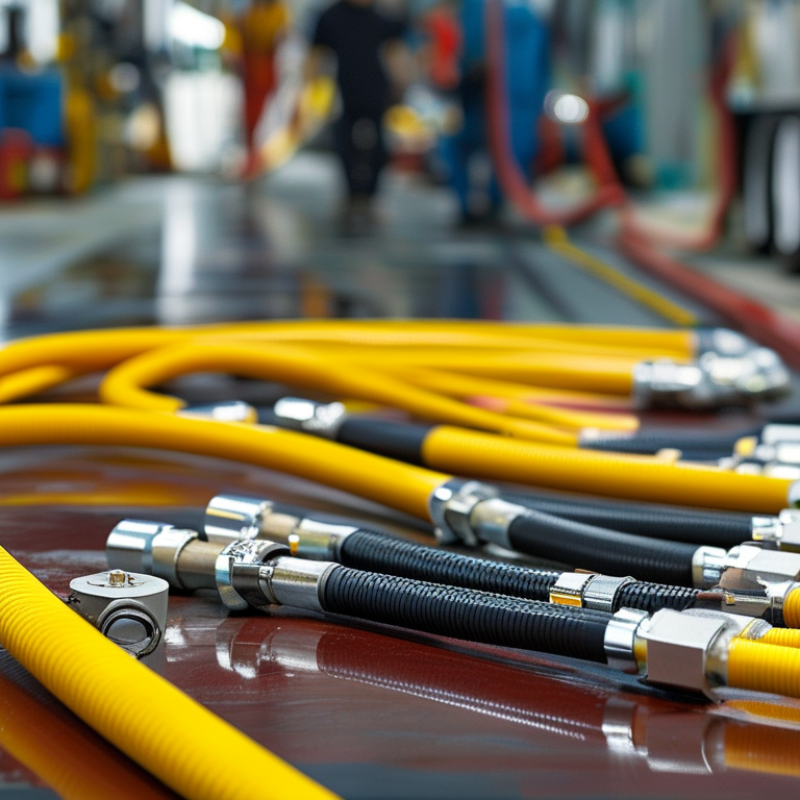
High pressure test hoses are crucial in various industries, from construction to manufacturing. They facilitate the safe testing of equipment, pipes, and other structures under high pressure. These hoses are designed to withstand extreme conditions, including temperature and pressure variations. Understanding their applications helps buyers choose the right product for their needs.

In construction, high pressure test hoses are essential for checking the integrity of pipelines. Engineers often use them to simulate real-world scenarios. In manufacturing, these hoses ensure the safety of equipment during testing phases. However, not all hoses are created equal. Factors like material, pressure rating, and intended use are important to consider. Often, buyers overlook the significance of these details, leading to subpar performance.

Buyers should pay attention to certifications and durability. A reputable supplier can provide valuable insights. It's essential to ask about the hose's lifespan and maintenance needs. Not every hose will perform well under challenging conditions. Should buyers reassess their choices after a few tests? Reflecting on these decisions could lead to better future purchases.

Key Factors to Consider When Buying High Pressure Test Hoses

When buying high-pressure test hoses, several key factors should be considered. First, always check the material. These hoses often use rubber or thermoplastic. Choosing the right material can impact durability and flexibility. Look for hoses that withstand high pressures and are resistant to abrasion and chemicals.

Pressure rating is another critical element. Each hose has a specific pressure limit. Ensure the hose can handle the maximum pressure used in your application. A hose that fails can lead to serious safety issues. Reviews and certifications can help here. Always seek hoses that meet industry standards for quality assurance.

Finally, consider the hose fittings. Compatibility with your equipment is essential for safe operations. Incorrect fittings can lead to leaks or failures. Consider your specific needs, such as length and diameter. It is important to make informed decisions, so take the time to evaluate your options thoroughly. Sometimes, more research can uncover better choices.

Evaluating Hose Material and Construction for Durability

When selecting a high-pressure test hose, durability hinges on the hose material and construction. You might come across various materials, such as rubber, PVC, and thermoplastics. Each material offers unique benefits, impacting both flexibility and resistance to wear. Rubber hoses provide excellent elasticity and heat resistance, while PVC hoses are lightweight and cost-effective. Understanding the differences is crucial for making the right choice.

Look for hoses with reinforced construction. Reinforcement can come from braided fibers or spiral structures. This added strength enhances the hose’s ability to handle pressure without bursting or deteriorating. Test the hose's flexibility. A stiff hose may compromise performance, particularly in applications requiring maneuverability.

Consider lifespan. A hose that is robust but lacks proper care may not last long. Regular inspection for wear and tear is essential. Checking for cracks or abrasions helps in maintaining safety. Always think about your specific use case. Is the environment abrasive or corrosive? This detail can significantly influence the performance.

High Pressure Test Hose Buying Tips for Global Buyers

Dimension Material Max Pressure (psi) Temperature Range (°F) Construction Type Durability Rating
1/4 inch Rubber 3000 -40 to 250 Single-braided High
3/8 inch PVC 2500 -20 to 180 Multi-layer Medium
1/2 inch Nylon 5000 -40 to 250 Double-braided Very High
3/4 inch Polyester 6000 -30 to 200 Reinforced High
1 inch Teflon 7000 -40 to 300 Flexible Extreme

Analyzing Pressure Ratings and Standards for Safety Compliance

When selecting a high-pressure test hose, understanding pressure ratings and standards is crucial for safety. Industry reports highlight that approximately 30% of hose failures are due to improper pressure ratings. Buyers must scrutinize the maximum working pressure and burst pressure listed by manufacturers. A high safety factor is essential to prevent catastrophic failures.

The American Society for Testing and Materials (ASTM) defines critical pressure standards. Hoses must adhere to these standards to ensure reliability. A reputable source notes that hoses operating above 3000 psi need rigorous testing. Ensure that the product meets or exceeds these benchmarks.

Testing procedures can vary, and inconsistencies exist in reporting methods. Buyers should seek transparency in data. Some manufacturers might inadvertently understate pressure ratings. Cross-referencing multiple reports can provide a clearer picture. The pressure testing process itself must be compliant with local regulations. Safety is not just a guideline but a necessity in every application.

Tips for Sourcing and Negotiating with Global Suppliers

When sourcing high-pressure test hoses, negotiating with global suppliers requires a mix of strategy and understanding. It's crucial to gather data on supplier reliability and product quality. According to industry reports, about 42% of procurement professionals consider supplier reputation a top factor in decision-making.

Establish clear communication channels early. Miscommunication can lead to product mismatches or delays. A report by X Industry Insights found that 35% of companies faced issues due to poor communication during negotiations. Use straightforward language and confirm all details in writing. Asking for samples can also mitigate risks.

Understanding market trends is essential. The global hose market is projected to grow by 5.4% annually. Pricing strategy is vital; differences in suppliers’ quotes can be significant. Many buyers overlook the importance of negotiating payment terms. Flexible terms can improve cash flow and reduce financial strain during transactions. Regularly reassess suppliers to ensure they're meeting your requirements.

FAQS

: What materials are commonly used for high-pressure test hoses?

: High-pressure test hoses often use rubber and thermoplastic materials. Each offers unique benefits based on application needs.

Why is pressure rating important when selecting a hose?

The pressure rating determines how much pressure the hose can handle. A hose that fails can cause serious safety issues.

How can I assess the durability of a hose?

Evaluate the hose material and construction. Look for reinforced designs and consider flexibility for performance.

What role do fittings play in hose safety?

Proper fittings ensure compatibility with your equipment. Incorrect fittings can cause leaks and operational failure.

How do I know if a hose meets quality standards?

Check for reviews and certifications. Hoses should meet industry standards for assurance of quality and safety.

Why is hose care and maintenance important?

Regular inspection for wear and tear is crucial. Cracks and abrasions can lead to hose failure and compromised safety.

Can hose length and diameter affect my choice?

Yes, both length and diameter are essential factors. Analyze your specific needs before making a purchase decision.

Are PVC hoses a good choice?

PVC hoses are lightweight and cost-effective. However, they may not offer the same durability as rubber options.

What should I consider for a corrosive environment?

In corrosive environments, choose hoses designed specifically for such conditions to ensure longevity and safety.

Why is flexibility important for high-pressure hoses?

Flexibility enhances performance, especially in maneuverability. Stiff hoses may not perform well in demanding applications.

Conclusion

When purchasing a High Pressure Test Hose, understanding its applications and specifications is crucial for ensuring optimal performance. Buyers should consider key factors such as the hose material and construction, which significantly impact durability and reliability under high pressure conditions. Additionally, analyzing the pressure ratings and compliance with safety standards helps prevent hazards during usage.

Sourcing from global suppliers entails negotiating effectively to secure the best quality at competitive prices. By evaluating supplier credentials and ensuring adherence to relevant safety regulations, buyers can make informed decisions that contribute to the overall success of their projects involving High Pressure Test Hoses.

Sienna

Sienna

Sienna is a skilled marketing professional with a deep expertise in our company’s core products and services. With a passion for innovation and detail, she plays a pivotal role in crafting insightful blog posts that not only highlight the unique features of our offerings but also provide valuable......