
How to Perform a Hydraulic Test Connection Effectively?

Time:2026-03-13 Author:Sophia
0%

Hydraulic Test Connections are vital in ensuring the safety and efficiency of hydraulic systems. According to a report from the International Society for Testing and Certification, improper testing can lead to system failures. This highlights the importance of conducting thorough and effective hydraulic tests. Industry expert Dr. John Smith emphasizes, “Precision in hydraulic test connections determines system reliability.”

Executing a hydraulic test connection involves detailed protocols. Each component must meet specific standards to guarantee accurate results. A report by the Hydraulic Institute states that 35% of failures relate to inadequate testing procedures. This statistic underlines the importance of getting things right.

Moreover, not all connections are created equal. Many technicians overlook critical steps, leading to potentially hazardous situations. The quality of these connections significantly impacts performance. Understanding the intricacies of hydraulic test connections requires ongoing education and practice. A commitment to excellence is required for safety and reliability in this industry.
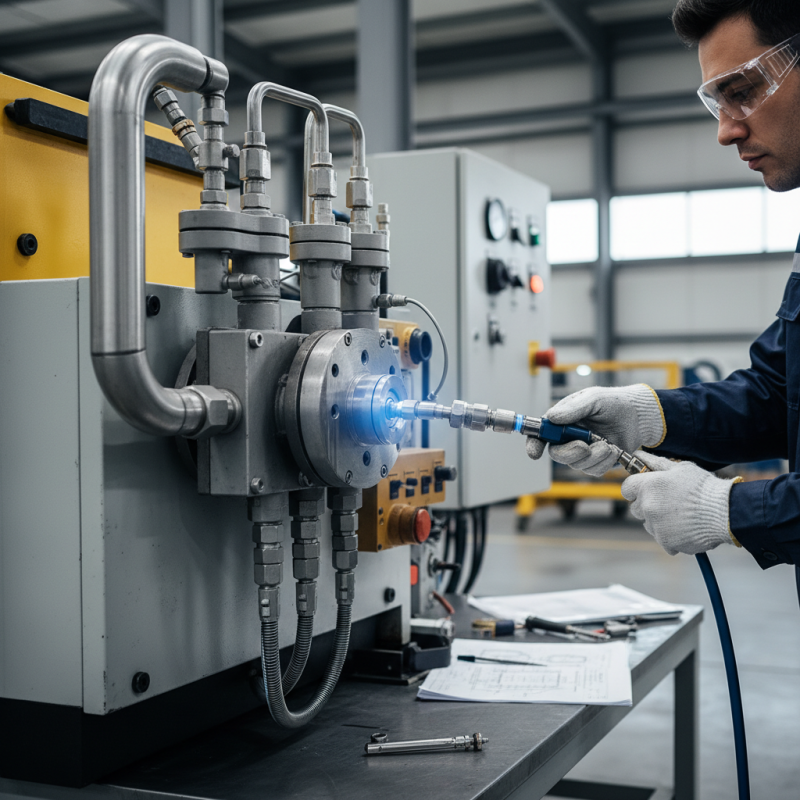
How to Perform a Hydraulic Test Connection Effectively?

Understanding Hydraulic Testing: Principles and Importance

Hydraulic testing is a critical step in ensuring the integrity and safety of hydraulic systems. Understanding the principles of hydraulic testing helps prevent leaks and equipment failures. According to industry reports, improper hydraulic tests can lead to a 25% increase in system failures, highlighting the importance of effective testing methods.

Hydraulic tests measure the pressure and strength of components. They allow professionals to evaluate potential weaknesses before they become major issues. A well-conducted test can reveal leaks as small as 0.1 gallons per minute. This emphasizes the need for precision during testing. Using calibrated equipment, proper procedures provide accurate results.

Tips: Always check equipment calibration. Regularly maintain testing tools for accuracy. Ensure all joints and seals are inspected before testing. An overlooked detail, like a worn O-ring, can compromise the test results and lead to even bigger problems later.

Communication is essential when performing tests. Have a clear testing plan and involve your team. Data shows that projects with effective communication reduce the chances of failure by up to 30%. A collaborative approach allows for different perspectives and potential improvement areas. Remember, reflection on past tests can lead to better strategies in future testing.

Preparing for Hydraulic Testing: Equipment and Safety Measures

Preparing for hydraulic testing requires careful planning. Ensure you have all necessary equipment ready. This includes hoses, pressure gauges, and connectors. Check for leaks, as even a small one can lead to failure. Each component must be in good condition; inspect them rigorously.

Tips: Always wear appropriate safety gear. Gloves and goggles can protect you from potential hazards. Make sure the testing area is clear of obstacles. This reduces the risk of accidents during the test.

Before starting, gather your team. Discuss everyone's roles and responsibilities. Open communication is vital. Reflect on previous tests. What worked well? What didn’t? Learn from those experiences to enhance safety and efficiency for your next hydraulic test.

Steps to Establish a Hydraulic Test Connection

Establishing a hydraulic test connection requires careful attention to detail. Begin by gathering all necessary tools and materials. You will need hoses, fittings, and a pressure gauge. Ensure everything is clean to avoid contamination. Inspect the hoses for any damage or wear. A small tear can lead to failure during the test.

Next, connect the hoses to the system. Ensure the fittings are tight but not over-tightened. This could cause damage. After securing the connections, it’s vital to check for leaks. Apply pressure gradually and monitor all joints closely. Some leaks may be subtle and hard to spot. Take your time with this step; rushing can lead to errors.

Lastly, maintain open communication with your team. Discuss any potential issues or uncertainties. Document each step of the process, including pressure readings and any observations. This can help in troubleshooting if problems arise later. Remember, learning from mistakes is essential. Each test connection is a chance for improvement.

Hydraulic Test Connection Effectiveness

This bar chart displays various key parameters and their associated values during a hydraulic test connection. The data includes pressure, flow rate, temperature, testing duration, and the leakage test result percentage, showing an effective hydraulic test performance.

Monitoring and Analyzing Test Results: Key Considerations

Monitoring and analyzing hydraulic test results is crucial for ensuring system integrity. A recent report from the Hydraulic Institute highlights that 25% of failures occur during pressure testing phases. This statistic emphasizes the need for careful data evaluation. Maintaining accurate records of pressure readings allows for better trend analysis. It can identify anomalies more efficiently.

Data collection should include temperature, pressure, and flow rates. A diverse dataset can help mitigate risks. Improper monitoring can lead to significant issues later on. For instance, if data logs show irregular pressure drops, it may indicate leaks or weaknesses. These can escalate into costly repairs if not addressed promptly.

Do not rely solely on automated systems. Human oversight is essential for interpreting complex results. Regular assessment meetings can foster discussion on unusual findings. Engaging multiple perspectives can enhance understanding. Sometimes, data can be misleading, necessitating further investigation. Emphasizing real-world implications can lead to more robust testing protocols.

Common Challenges in Hydraulic Testing and How to Overcome Them

Hydraulic testing can present various challenges. One common issue is equipment leaks. Even tiny leaks can skew test results. Inspecting hoses and fittings before the test helps minimize this risk. An overlooked connection may cause a leak, leading to wasted time and resources. Regular maintenance of equipment is vital. It ensures everything functions optimally.

Another challenge is water contamination. Contaminants can lead to inaccurate readings. Maintaining cleanliness in the hydraulic system is key. Use clean water for testing and inspect tanks regularly. If contamination occurs, it can delay the process. It requires additional steps to flush the system, extending testing time.

Communication among team members can also be a hurdle. Misunderstandings during the testing process may result in errors. Clearly defining roles before the test helps reduce confusion. A brief pre-test meeting can identify potential problems. Recognizing these small yet significant issues can streamline the testing process. Regular reviews and reflection on these challenges improve practices over time.

How to Perform a Hydraulic Test Connection Effectively? - Common Challenges in Hydraulic Testing and How to Overcome Them

Challenge Description Common Solutions
Leakage Unintentional flow of hydraulic fluid from the system. Inspect seals and connections, use sealants as necessary.
Pressure Variations Fluctuations in pressure during testing. Use pressure regulators and conduct tests in controlled environments.
Equipment Malfunction Failure of hydraulic testing equipment during the process. Regular maintenance and pre-test checks on all equipment.
Inadequate Training Personnel lacking knowledge about testing procedures. Provide comprehensive training and reference materials.
Environmental Factors Effects of temperature, humidity on testing accuracy. Monitor conditions and use climate control if necessary.

FAQS

: What equipment do I need for hydraulic testing?

: You need hoses, pressure gauges, and connectors. Each component should be inspected and functional.

Why is checking for leaks important?

Even small leaks can lead to failure. Inspecting hoses and fittings before testing is crucial.

What safety gear should I wear?

Always wear gloves and goggles. They protect you from potential hazards during testing.

How can I ensure an effective testing area?

Keep the area clear of obstacles. This reduces risks and enhances safety during tests.

Why is team communication essential?

Open communication helps identify roles and responsibilities. It reduces misunderstandings during the testing process.

What challenges might I face during testing?

Common challenges include equipment leaks and water contamination. These issues can delay the testing process.

How can I prevent water contamination?

Use clean water for testing. Regularly inspect your tanks to maintain cleanliness in the hydraulic system.

What should I reflect on after each test?

Consider what worked well and what didn’t. Learning from past experiences improves future tests.

How does regular equipment maintenance help?

It ensures everything functions optimally, reducing the chance of unexpected failures.

What happens if there's a misunderstanding among team members?

Misunderstandings can result in errors. A pre-test meeting can help clarify roles and address potential issues.

Conclusion

The article "How to Perform a Hydraulic Test Connection Effectively?" provides a comprehensive overview of hydraulic testing, highlighting its principles and significance in ensuring system integrity. It emphasizes the importance of thorough preparation, which includes choosing appropriate equipment and implementing safety measures to prevent accidents during the testing process.

The steps for establishing a Hydraulic Test Connection are clearly outlined, focusing on proper setup and execution to achieve accurate results. Monitoring and analyzing the test outcomes are crucial factors, as they help identify system performance and potential issues. Lastly, the article addresses common challenges faced in hydraulic testing and offers practical solutions to overcome them, ensuring a streamlined and efficient testing process.

Sophia

Sophia

Sophia is a dedicated marketing professional with an exceptional depth of knowledge about her company's products and services. With a keen understanding of market trends and customer needs, she crafts insightful blog posts that not only inform but also engage readers, enriching the company’s online......