
How to Choose the Right Pressure Gauge Fittings for Your Needs?

Time:2026-06-19 Author:Oliver
0%

Choosing the right pressure gauge fittings can be challenging. These fittings play a crucial role in ensuring the accuracy and safety of your pressure measurement systems. Understanding the types available is essential. The market offers various materials and sizes, each suited for specific applications.

When selecting pressure gauge fittings, consider your system's requirements. Factors like temperature, pressure range, and the medium being measured are vital. For instance, stainless steel fittings are reliable for harsher environments. Quality and compatibility can significantly impact the performance of pressure gauges.

Many users overlook the importance of proper fitting selection. A poor choice can lead to leaks or inaccurate readings. Reflecting on past experiences can guide better decisions in the future. Take time to research and consult with experts if needed. This approach boosts your confidence in choosing the best pressure gauge fittings for your needs.
How to Choose the Right Pressure Gauge Fittings for Your Needs?

Understanding Pressure Gauge Fittings: Types and Functions

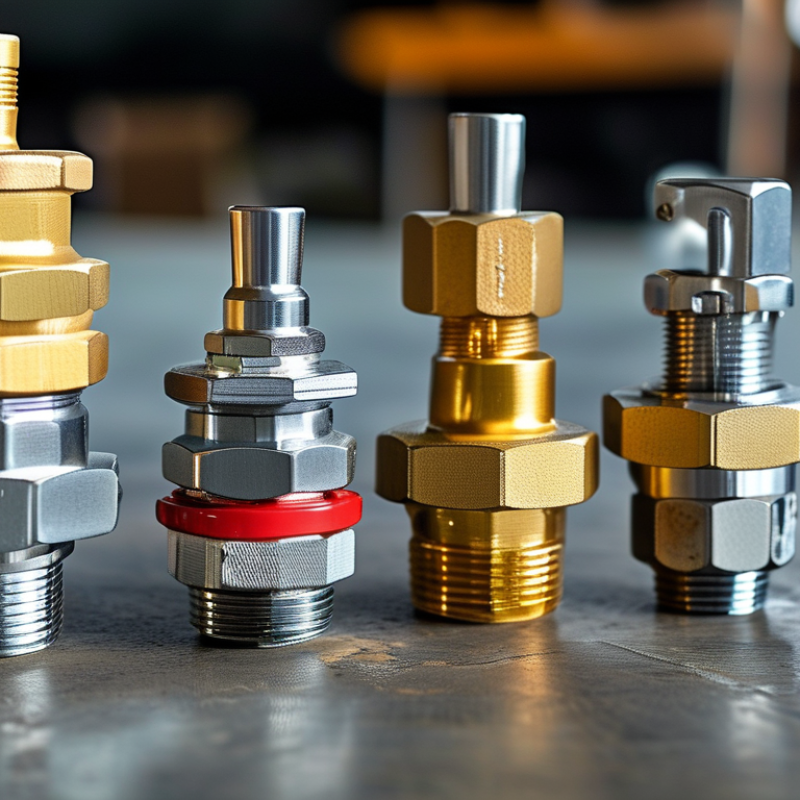
Pressure gauge fittings play a crucial role in ensuring accurate readings in various applications. Understanding the types available can significantly impact performance. There are several common types, including threaded, flanged, and compression fittings. Each type serves distinct functions and is designed for specific pressures and environments. For instance, threaded fittings are typically used for lower pressures, while flanged fittings can handle higher pressure applications.

According to industry reports, nearly 30% of pressure gauge inconsistencies arise from improper fittings. Incorrect installation or incompatible materials can lead to leaks and failures. Moreover, the selection of materials—such as stainless steel or brass—affects durability and resistance to corrosive environments. Using the wrong material can compromise safety and reliability. Seeking expert opinions on material compatibility can help mitigate these risks.

Evaluate your specific needs before making a decision. Consider factors like pressure ranges, environment, and installation space. Gathering input from industry professionals can enhance your understanding. Remember, the right fitting contributes to accurate pressure readings and overall system performance. Ensure your choices reflect careful consideration and technical insight for optimal results.

How to Choose the Right Pressure Gauge Fittings for Your Needs?

Fitting Type Material Pressure Range Temperature Range Common Applications
Threaded Fittings Brass 0-5000 psi -40°F to 250°F Hydraulics, Pneumatics
Compression Fittings Stainless Steel 0-3000 psi -40°F to 400°F Gas Lines, High-Pressure Systems
Flanged Fittings Carbon Steel 0-2000 psi -20°F to 300°F Water Treatment, Industrial Systems
Quick Connect Fittings Aluminum 0-1500 psi -40°F to 250°F Machine Tools, Laboratory Equipment
Barbed Fittings Plastic 0-100 psi -10°F to 160°F Aquarium, Low-Pressure Applications

Factors to Consider When Selecting Pressure Gauge Fittings

When selecting pressure gauge fittings, certain factors play a crucial role. First, consider the type of application. Different industries such as oil and gas, food processing, and pharmaceuticals require unique specifications. For example, a report by the Pressure Vessel Manufacturers Association noted that 30% of failures stem from using inappropriate fittings, emphasizing the importance of compatibility.

Next, assess the material of the fittings. Common materials include stainless steel, brass, and plastic. Each has distinct properties. Stainless steel is known for its durability and resistance to corrosive environments. According to industry data, nearly 25% of fittings fail due to material degradation. Choosing the right material ensures longevity and reliability in pressure readings.

Another important aspect is the pressure rating and size of the fittings. Make sure to match the fitting's specifications with the gauge it supports. Many users overlook this detail, leading to inaccurate readings. A study from the National Institute of Standards and Technology indicated that incorrect sizing can result in fluctuations of up to 15% in pressure readings. Understanding these factors is essential in making informed choices for effective pressure measurement solutions.

Material Compatibility for Pressure Gauge Fittings

Choosing the right pressure gauge fittings requires careful consideration, especially regarding material compatibility. Different environments demand different materials. For instance, stainless steel is widely favored for its durability and resistance to corrosion. However, it may not be the best choice for aggressive media. In such cases, you might consider brass or plastic fittings. Each material has its strengths and weaknesses, impacting your decision.

When matching materials, consider the fluid type and temperature. Certain plastics may work well with water but fail under high temperatures. Similarly, brass can corrode with certain chemicals, leading to failure. Pay attention to the pressure ratings of the fittings as well. A mismatch could result in leaks or catastrophic failures. Evaluating the specific application helps prevent costly mistakes and ensures operational safety.

Additionally, think about the environmental conditions. Outdoor applications may require UV-resistant materials. Selecting inappropriate fittings can lead to premature wear, affecting system performance. Each fitting should be appropriate for its intended use. Trial and error can lead to oversights. Keeping thorough notes on failures can guide future selections. This reflective approach fosters a deeper understanding of material compatibility, enhancing your decision-making process over time.

Sizing and Connection Types for Pressure Gauge Fittings

Choosing the right pressure gauge fittings is essential for accurate measurements in various applications. Understanding sizing and connection types is critical. Different industrial processes may require various fittings, depending on media, pressure ranges, and temperature. A recent report from the International Society of Automation highlights that improper fitting choices can lead to measurement errors of over 10%.

When selecting fittings, ensure compatibility with your gauge. Common connection types include NPT (National Pipe Tapered) and BSP (British Standard Pipe). Each has distinct specifications. For example, NPT is commonly used in North America for its sealing capabilities. In contrast, BSP is favored in Europe and caters to high-pressure environments.

Always consider the material of the fittings. Compatibility with the media being measured is crucial to prevent chemical corrosion. In a study published by the American Society of Mechanical Engineers, fittings made from stainless steel showed a 95% success rate in corrosive environments. However, some may overlook this aspect, leading to equipment failure. Adequate research on connection types and materials will enhance performance.

Common Applications of Pressure Gauge Fittings in Various Industries

Pressure gauge fittings play a critical role in various industries. These fittings are essential for measuring the pressure of fluids and gases. Industries such as oil and gas rely heavily on accurate pressure readings. A precise gauge helps to ensure operational safety and efficiency. Misreading pressure can lead to costly accidents.


In the manufacturing sector, pressure gauge fittings enable monitoring during production. In chemical processing, they help maintain safe conditions. They also ensure the right pressure levels in HVAC systems. Regular maintenance of these fittings is necessary. Failure to do so can compromise their accuracy and lead to failures in operations.


Choosing the right fitting requires an understanding of the application. Different materials can withstand different environments. For example, stainless steel is resistant to corrosion, making it ideal for harsh conditions. However, not every application may require such durable options. Reflecting on the specific needs is crucial. Always consider the potential limitations of each fitting type.

FAQS

: What factors should I consider when selecting pressure gauge fittings?

: You need to consider the application type. Industries have unique specifications for fitting compatibility.

Why is material selection important for pressure gauge fittings?

Material affects durability and resistance. Stainless steel performs well in corrosive settings but may not suit all applications.

How does incorrect fitting size affect pressure readings?

Mismatched sizes can cause fluctuations in readings. Incorrect sizing can lead to inaccuracies of up to 15%.

What are common connection types for fittings?

NPT and BSP are popular connection types. NPT is used in North America; BSP is common in Europe.

How does chemical compatibility affect fitting performance?

If the material isn’t compatible, it can corrode. Stainless steel has high success rates in corrosive environments.

What are the common applications of pressure gauge fittings?

They are used in oil and gas, manufacturing, and HVAC systems. Accurate pressure monitoring is crucial for safety.

How does regular maintenance of fittings matter?

Without maintenance, fittings may fail and lead to measurement inaccuracies. Regular checks ensure consistent performance.

Can all materials handle harsh environments?

No, certain materials are better suited for specific conditions. Always reflect on the fitting’s intended environment.

Is every application suitable for high-durability fittings?

Not necessarily. Some applications don’t require robust materials. Choosing the right fitting depends on specific needs.

What are the risks of improper fitting choices?

They can lead to measurement errors and operational failures. Reflecting on selection is critical to avoid future issues.

Conclusion

Pressure gauge fittings are essential components in various industries, facilitating accurate pressure measurement and ensuring system integrity. Understanding the different types and functions of these fittings is crucial for selecting the right one for specific applications. Key factors to consider include material compatibility, which ensures that the fittings can withstand the conditions of the environment and the substances being measured.

Additionally, proper sizing and connection types are critical for achieving a secure and leak-free installation. Common applications of pressure gauge fittings span across sectors such as oil and gas, manufacturing, and healthcare, where precise pressure monitoring is vital. By carefully evaluating these elements, users can choose the most suitable pressure gauge fittings to meet their operational needs effectively.

Oliver

Oliver

Oliver is a seasoned marketing professional with a wealth of expertise in driving brand awareness and engagement. With a deep understanding of our company's product offerings, he consistently delivers high-quality content that enriches our professional blog. His insights not only shed light on......