
How to Choose the Right Hydraulic Test Nipple for Your Needs?

Time:2026-08-31 Author:Liam
0%

Choosing the right Hydraulic Test Nipple can be a complex task. These components are vital for conducting pressure tests in hydraulic systems. Accurate selection directly impacts performance and safety. According to a report by the Hydraulic Institute, improper testing equipment can lead to costly failures.

Hydraulic engineer Dr. Sarah Thompson emphasizes, "Every application demands a unique testing solution." Her insight highlights the importance of understanding specific system requirements. Factors such as pressure ratings, material compatibility, and application need careful evaluation.

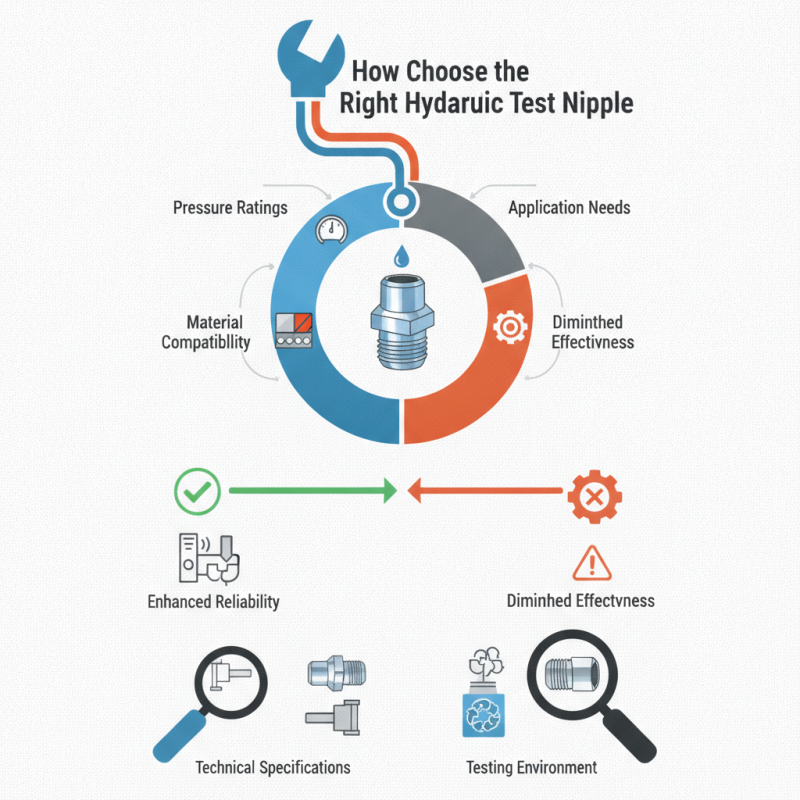
Inadequate knowledge can lead to critical mistakes. Many professionals overlook essential details. The right Hydraulic Test Nipple can enhance reliability in operations. However, selecting poorly can diminish effectiveness. Be mindful of these components' technical specifications and your testing environment.
How to Choose the Right Hydraulic Test Nipple for Your Needs?

Understanding Hydraulic Test Nipples and Their Applications

Hydraulic test nipples are essential components in various hydraulic systems. They allow technicians to connect testing equipment without disrupting the system. Understanding their applications helps in selecting the right type for specific needs. Commonly, these nipples are used in hydraulic circuits to check pressure and ensure system integrity. They come in various sizes and configurations, catering to different hydraulic systems.

The selection of a hydraulic test nipple should consider the working environment and pressure rating. Materials used often include steel or stainless steel, depending on the application. Some systems may require special coatings for corrosion resistance. Factors like temperature fluctuations and fluid types also matter. It is crucial to assess the compatibility of the nipple with the fluids in use.

While the technical specifications are vital, practical considerations must also be addressed. Users often overlook the importance of installation procedures. Proper handling during installation can prevent leaks and ensure accurate readings. Therefore, understanding both the technical and practical aspects is essential when choosing a hydraulic test nipple. Remember, each hydraulic system is unique, and a one-size-fits-all approach rarely works.

Key Factors to Consider When Selecting a Hydraulic Test Nipple

When selecting a hydraulic test nipple, several key factors come into play. It's crucial to consider the pressure rating of the nipple. Different applications will have varying pressure requirements. Ensure the nipple you choose can withstand these pressures to avoid potential failures. Material selection is another important aspect. Stainless steel is often preferred for its durability and resistance to corrosion. However, not every situation demands high-end materials. Sometimes, cost-effective options may suffice, depending on your specific needs.

Flow characteristics should also be assessed. The size and design of the test nipple can significantly impact the fluid dynamics within your system. A well-designed nipple minimizes flow restrictions, enhancing the efficiency of testing. Yet, larger isn’t always better. Overly large nipples can introduce other issues, such as turbulence. Additionally, make sure the nipple fits your existing equipment seamlessly. Mismatches can lead to leaks or further complications.

Lastly, pay attention to the installation process. An easy-to-install nipple can save both time and labor costs. However, this doesn't always guarantee optimal performance. Some nipples may have design flaws that complicate installation. It's worthwhile to review installation experiences and feedback from others in the field. This reflection on both the practical and theoretical aspects of your choice can lead to a more reliable selection.

How to Choose the Right Hydraulic Test Nipple for Your Needs?

Key Factor Description Importance Level
Material The material affects durability and compatibility with hydraulic fluids. High
Size Must match the hydraulic system's requirements to ensure proper fit and function. Critical
Pressure Rating Select a nipple that can withstand the system's operating pressure. Very Important
Connection Type Ensure compatibility with existing fittings in the hydraulic system. High
Temperature Range Consider the operating temperature to prevent material degradation. Important
Ease of Use Look for designs that allow easy connection and disconnection. Moderate

Comparing Different Types of Hydraulic Test Nipples

When selecting a hydraulic test nipple, it is vital to consider the specific types available in the market. Hydraulic test nipples come in various designs, each suited for different applications. A common type is the blind test nipple, which allows for pressure testing without the risk of fluid escape. These nipples are essential in scenarios where system integrity must be verified without introducing external contaminants. Another option is the inline test nipple, which facilitates quick access while the system remains operational, offering convenience and efficiency.

Material choice is another critical aspect of hydraulic test nipples. Stainless steel is a popular option due to its durability and corrosion resistance. However, it may not always be necessary for every application. PVC options are lighter and more affordable, but they have limitations in high-pressure situations. Users must assess the fluid compatibility and environmental conditions before making a decision. It's easy to overlook these factors, but doing so can lead to costly mistakes or system failures.

Consider also the size and threading type of the hydraulic test nipple. Mismatched sizes can cause leaks or pressure drops. Testing compatibility can be overlooked, resulting in wasted time and effort. Hydraulics can be complex, and understanding these details is crucial for effective operation. Take the time to evaluate your needs thoroughly. Make a choice that ensures reliability and safety in your hydraulic systems.

Assessing Material Compatibility for Hydraulic Test Nipples

When selecting a hydraulic test nipple, material compatibility is crucial. The materials must withstand high pressures and resist corrosion. Common materials are stainless steel, brass, and carbon steel. Each has unique properties. Stainless steel offers excellent corrosion resistance, making it suitable for harsh environments. Brass, while easier to machine, may corrode in certain fluids. Understanding the fluid being used is essential for proper material selection.

Consider the operational environment. For instance, extreme temperatures can affect material integrity. Some alloys perform better in high heat, while others may become brittle in cold conditions. Each application should be carefully evaluated. Testing should be a part of your selection process to ensure reliability. Conducting compatibility tests can help avoid costly failures.

It’s also important to reflect on any past experiences. Did a particular material fail? Why? These reflections can guide future choices. Ensuring the right material compatibility can prevent breakdowns and enhance safety. Every project is unique, and sometimes the best decisions come from learning from earlier mistakes.

Installation and Maintenance Tips for Hydraulic Test Nipples

When selecting a hydraulic test nipple, installation and maintenance are crucial. Proper installation ensures reliable operation and extends the lifespan of the equipment. According to industry reports, improper installation can lead to efficiency losses of up to 30%. Always follow the manufacturer’s guidelines closely during installation. Ensure the nipple is aligned correctly to avoid leaks that can compromise system integrity.

Maintenance practices are equally important. Regular checks for wear and tear can prevent unexpected failures. It’s recommended to replace seals every six months, as worn seals can lead to significant pressure drops. Additionally, monitor the connection points for signs of corrosion. Statistics show that 15% of hydraulic failures stem from neglecting these areas.

Keep the working environment clean to enhance performance. Dirt can infiltrate components and cause malfunctions. Always use the correct cleaning agents, as harsh chemicals can damage seals and fittings. Assess the hydraulic fluid regularly for contamination. This simple measure can reveal potential problems before they escalate.

FAQS

: What are hydraulic test nipples used for?

: They connect testing equipment in hydraulic systems without causing disruptions.

What materials are commonly used for hydraulic test nipples?

Common materials include stainless steel, brass, and carbon steel, each with unique properties.

How does temperature affect material choices for hydraulic test nipples?

Extreme temperatures can compromise material integrity. Some materials perform poorly in high heat or cold.

Why is installation important for hydraulic test nipples?

Proper installation prevents leaks and ensures accurate pressure readings in hydraulic systems.

How can I assess material compatibility for hydraulic test nipples?

Consider the fluids used, pressure ratings, and environmental conditions like temperature.

What should I remember about hydraulic systems?

Each hydraulic system is unique; a one-size-fits-all approach rarely works effectively.

What role does reflection play in material selection?

Reflecting on past experiences can inform future decisions and help avoid previous failures.

Are special coatings needed for some hydraulic test nipples?

Yes, some systems may require coatings for additional corrosion resistance.

What should I evaluate when selecting a hydraulic test nipple?

Evaluate the working environment, pressure rating, and material compatibility for effective use.

How can testing improve reliability in hydraulic systems?

Conducting compatibility tests can prevent failures and enhance safety in hydraulic applications.

Conclusion

When selecting the right Hydraulic Test Nipple for your needs, it is crucial to understand the basics of these components and their various applications across different industries. The choice of a Hydraulic Test Nipple should consider key factors such as operating pressure, size compatibility, and specific application requirements. Additionally, comparing different types of Hydraulic Test Nipples can help identify the most suitable option based on functionality and support.

Material compatibility is also an important aspect, as it ensures that the Hydraulic Test Nipple can withstand the intended operating conditions without degradation. Furthermore, proper installation and maintenance are vital for ensuring the longevity and reliability of the Hydraulic Test Nipple in an operational system. By keeping these factors in mind, users can make informed decisions that best suit their hydraulic testing needs.

Liam

Liam

Liam is a dedicated marketing professional with a profound expertise in the industry, where he excels at highlighting the unique advantages of our core products. With a keen understanding of market trends and consumer needs, Liam frequently updates our company’s professional blog, providing......