
How to Choose the Right Hydraulic Pressure Gauge Connector?

Time:2026-06-22 Author:Henry
0%

Choosing the right Hydraulic Pressure Gauge Connector is crucial for ensuring accurate measurements in hydraulic systems. Experts in the field, like John Bennett, a seasoned engineer at FluidTech Solutions, emphasize that “the wrong connector can compromise not just the readings, but also safety.”

When selecting a Hydraulic Pressure Gauge Connector, consider the pressure range, thread type, and material compatibility. Using the wrong specifications can lead to failures and hazardous situations. It's important to align your choice with the system's demands to maintain integrity and functionality.

Many errors occur due to oversight in these specifications. Connectors may seem interchangeable, but each has specific applications. Testing various connectors can reveal imperfections in understanding their nuances. Emphasizing quality and precision ensures better results and a more reliable system overall.
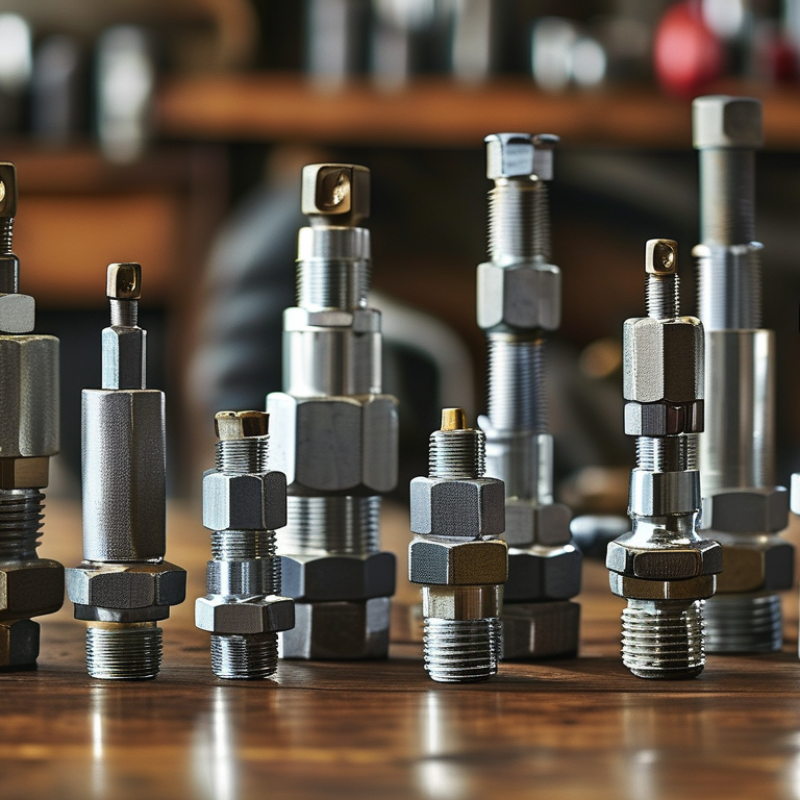
How to Choose the Right Hydraulic Pressure Gauge Connector?

Understanding Hydraulic Pressure Gauge Connectors and Their Types

Hydraulic pressure gauge connectors play a crucial role in the accurate measurement of hydraulic systems. Understanding the various types is essential for proper selection. Common types include threaded connectors, quick-disconnect fittings, and flange connectors. Each type has its unique advantages that suit different applications. For instance, threaded connectors are often preferred in high-pressure environments due to their robust design. In contrast, quick-disconnect fittings offer convenience and ease of use, making them ideal for frequent modifications.

According to a recent industry report, improper connector choice can lead to a 25% decrease in system efficiency. This decrease is often due to leaks or improper measurements. It's also essential to consider the material compatibility of connectors. For example, stainless steel connectors work well in corrosive environments. However, they might not be suitable for all applications. Additionally, factors like pressure ratings, temperature ranges, and fluid types must be evaluated.

Many professionals underestimate the importance of hydraulic pressure gauge connectors. They often assume that one type fits all. It’s crucial to match the connector type to the specific application. Skipping this step can lead to operational issues and costly downtime. Taking the time to assess your connector needs can significantly enhance system reliability and performance.

Key Factors to Consider When Selecting a Hydraulic Pressure Gauge Connector

When selecting a hydraulic pressure gauge connector, several key factors come into play. Understanding application requirements is vital. For instance, the pressure range, media compatibility, and operating temperature must align with your system. A report by the Hydraulic Institute underscores that improper selection can lead to failures, impacting safety and performance.

Materials used in connectors are equally crucial. Common choices include stainless steel and brass. Each material presents unique strengths against corrosion and wear. According to industry statistics, over 40% of equipment failures in hydraulics are linked to connector issues. Ensure the selected material matches the fluid type and environment to minimize risks.

Tips: Always double-check the connector dimensions. Mismatched sizes can cause leaks. Consider the thread type as well. Not all connectors work interchangeably. If unsure, consult a hydraulic specialist. Their insight can prevent costly mistakes.

Moreover, pressure ratings must not be overlooked. Choosing a connector with a rating below system requirements is a common error. This can lead to dangerous situations. Understanding the necessary pressure rating ensures reliability and safety in operations. Always be open to revisiting your choices. Regular assessments of your hydraulic connections can enhance system longevity.

Hydraulic Pressure Gauge Connector Selection Factors

Compatibility: Assessing Pressure Ratings and Temperature Limits

When selecting a hydraulic pressure gauge connector, compatibility is crucial. It's essential to assess both the pressure ratings and temperature limits of the components. Connecting gauges often face high-pressure conditions. If the connector isn't rated properly, it can lead to failures or inaccuracies.

Many connectors are designed for specific pressure ranges. Exceeding these can be dangerous. It's wise to consult datasheets for accurate specifications. Temperature limits are equally important. High temperatures can affect the material properties of connectors. Underestimating these factors can result in equipment malfunction.

Experience shows that improper selection often leads to issues. Regularly review application requirements. It’s better to err on the side of caution. Choosing a reliable connector can prevent costly downtime. Always ensure that your components match the operational conditions of your system.

Material Selection: How Steel, Aluminum, and Plastics Affect Performance

When selecting hydraulic pressure gauge connectors, material choice is crucial. Steel connectors offer strength and resistance to wear. They excel in high-pressure situations, allowing for better durability. However, they can corrode if not adequately protected.

Aluminum is lighter and less expensive but may not withstand high pressures as effectively. Its lightweight nature can be beneficial in portable applications.

Plastics are an intriguing option, particularly for low-pressure systems. They resist corrosion and are lightweight. However, their performance may drop under extreme temperatures or pressures.

Balancing these materials requires thoughtful consideration of the application. Each material has its strengths and weaknesses. A steel connector provides robustness, yet it can rust without proper coating. Aluminum connectors save weight but may fail under too much pressure.

Plastic connectors are versatile but might not hold up against environmental stressors.

Reflecting on the specific requirements of your hydraulic system is important for optimal performance.

Installation and Maintenance Tips for Hydraulic Pressure Gauge Connectors

When installing hydraulic pressure gauge connectors, attention to detail is crucial. Proper installation ensures accurate readings and system safety. Start by checking the compatibility of the connector with your gauge and hydraulic system. Mismatched fittings can lead to leaks or gauge failure.

Always clean the threads of both the gauge and connector before assembly. Dirt or debris can create a poor seal, leading to pressure loss. It’s a small step, but critical for long-term reliability. Use PTFE tape on threaded connections for added protection against leaks.

During maintenance, regularly inspect the connectors for signs of wear or corrosion. Listen for unusual sounds that may indicate a problem. Replace any damaged connectors immediately to prevent system failures. Remember, neglecting maintenance can lead to costly repairs and downtime. Regular checks help maintain system integrity and performance. Stay proactive.

How to Choose the Right Hydraulic Pressure Gauge Connector? - Installation and Maintenance Tips for Hydraulic Pressure Gauge Connectors

Dimension Connector Type Material Pressure Range (psi) Temperature Range (°C) Maintenance Tips
1/4" NPT Threaded Stainless Steel 0 - 5000 -40 to 100 Regularly inspect for leaks and corrosion.
1/2" NPT Threaded Brass 0 - 10000 -20 to 85 Ensure proper torque is applied during installation.
3/8" NPT Threaded Aluminum 0 - 3000 -30 to 70 Check for seal integrity frequently.
Parked Flange Titanium 0 - 20000 -50 to 150 Perform visual inspections for wear.

FAQS

: What are the common types of hydraulic pressure gauge connectors?

: Common types include threaded connectors, quick-disconnect fittings, and flange connectors. Each serves different applications.

Why is connector material selection important?

Material affects strength, wear resistance, and compatibility across various pressures and environments. Choose wisely.

How does a wrong connector choice affect system efficiency?

An improper choice can lead to a 25% decrease in efficiency due to leaks or inaccurate measurements.

What should I check before installing connectors?

Always ensure compatibility with your gauge and system. Mismatched fittings can result in leaks or failure.

How can I prevent leaks during installation?

Clean threads before assembly and use PTFE tape on threaded connections for effective sealing.

What should I inspect during maintenance?

Regularly check connectors for wear, corrosion, or unusual sounds that may signal potential issues.

Why are aluminum connectors less reliable under pressure?

Aluminum is lightweight and cost-effective but may fail in high-pressure conditions. Think about your application.

How can neglecting maintenance impact my system?

Ignoring maintenance can lead to costly repairs and downtime. Regular checks ensure reliability and performance.

What limitations do plastic connectors have?

While versatile, plastic connectors may not perform well under extreme temperatures or pressures. Reflect on these factors.

What can happen if I skip the connector selection process?

Skipping this step can cause operational issues and increase downtime. Assess your needs carefully.

Conclusion

When selecting a Hydraulic Pressure Gauge Connector, it's essential to understand the different types available and their specific applications. Key factors to consider include compatibility with the system's pressure ratings and temperature limits, which ensure accurate readings and safe operation. Additionally, the choice of material—whether steel, aluminum, or plastic—plays a critical role in performance, durability, and resistance to environmental factors.

Installation and maintenance are also crucial for the longevity of the Hydraulic Pressure Gauge Connector. Proper installation techniques help prevent leaks and ensure reliable pressure readings, while regular maintenance can identify wear and tear before it leads to system failure. By evaluating these factors, users can make informed decisions that enhance the efficiency and safety of their hydraulic systems.

Henry

Henry

Henry is a dedicated marketing professional with a profound expertise in the company's offerings. With years of experience in the industry, he possesses an impressive understanding of the market dynamics and consumer behaviors that drive success. Henry is committed to sharing his insights through......