
How to Choose the Best Pressure Gauge Connector for Your Needs?

Time:2026-08-21 Author:Amelia
0%

Choosing the right Pressure Gauge Connector is essential for accurate measurements. As John Smith, a respected expert in instrumentation, states, "The right connector can make all the difference." Understanding your specific needs is crucial.

Different applications require different types of connectors. Factors such as pressure range, temperature, and media compatibility must be considered. For instance, a high-pressure setting demands a robust connector. A mismatched connector can lead to inaccurate readings or equipment failures.

Many overlook connector quality, focusing only on cost. This can be a mistake. Investing in a reliable Pressure Gauge Connector ensures longevity and accuracy. Researching options is vital. Reflect on your requirements to find the best fit. Making an informed choice leads to successful outcomes.
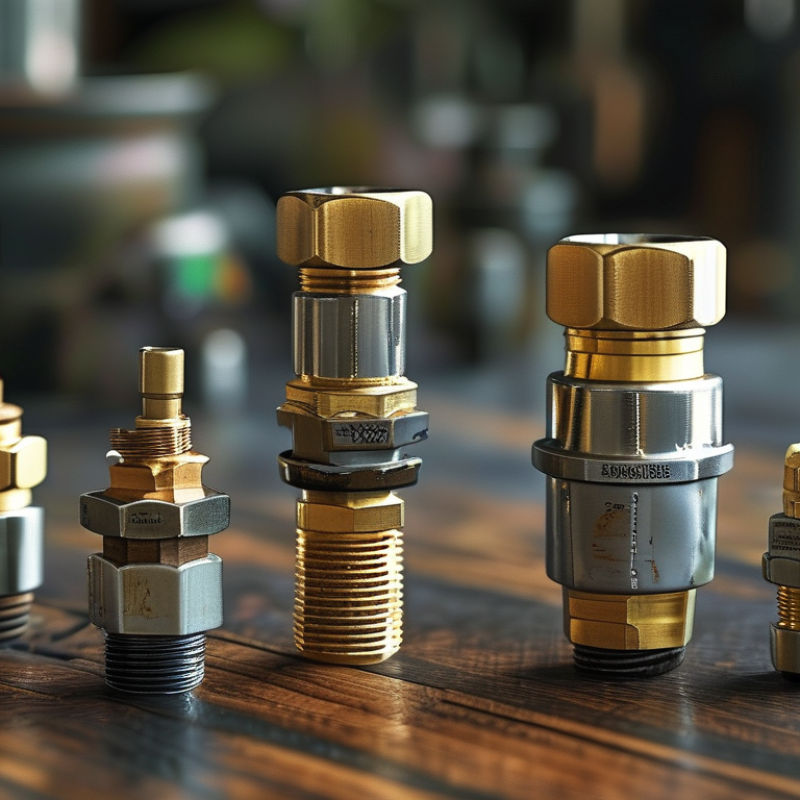
How to Choose the Best Pressure Gauge Connector for Your Needs?

Understanding the Different Types of Pressure Gauge Connectors

When selecting a pressure gauge connector, understanding the various types available is crucial. There are several standard connectors, including NPT, BSP, and SAE. Each has distinct thread profiles and applications. NPT (National Pipe Taper) is common in North America for its self-sealing ability. In contrast, BSP (British Standard Pipe) is preferred in European and Commonwealth regions for its robustness. SAE (Society of Automotive Engineers) connectors are largely utilized in hydraulic systems, noted for their ease of installation and flexibility.

Moreover, material choice plays a significant role in connector performance. Stainless steel is often favored for its resistance to corrosion and high pressure. However, plastic connectors might be suitable for low-pressure applications where weight is a concern. When it comes to installation, user experience can vary. A poorly matched connector can lead to leaks or inaccuracies in pressure readings. Industry data indicates that improper connections account for over 30% of equipment failures in fluid systems. Therefore, ensuring compatibility between the connector and the pressure gauge is essential for reliable operation. Understanding these nuances can save both time and costly repairs in the long run.

Key Factors to Consider When Selecting a Pressure Gauge Connector

Choosing the right pressure gauge connector can significantly affect the efficiency of your operations. Key factors should influence your selection. Consider the application environment first. Different materials withstand varying conditions, such as temperature and pressure. A connector’s material must align with the medium it interacts with. Metal connectors may be ideal for harsh conditions, while plastics might suit lighter applications.

Next, examine the connection type. Threaded connections are versatile and easy to use. However, quick-release connectors offer convenience in assembly and disassembly, which is helpful for frequent maintenance. Always evaluate how often you will need to connect and disconnect the gauge.

When in doubt, consult a reliable source for guidance. You may find suggestions that fit your specific requirements. It’s essential to double-check compatibility with your gauge and system. A mismatch can lead to leaks or malfunctions, causing unnecessary downtime. Always test connections in a controlled setting before full-scale implementation. Crafting a detailed checklist that includes size, pressure rating, and connector type can help avoid common mistakes.

Material Compatibility: Choosing the Right Connector for Your System

Choosing the right connector for a pressure gauge involves understanding material compatibility. Different applications may require specific materials based on the fluids involved. Common materials include stainless steel, brass, and plastic. Each material has its strengths and limitations. For example, stainless steel is resistant to corrosion but may not perform well with certain aggressive chemicals.

The environment in which the connector is used also matters. High temperatures or pressures can affect material integrity. A standard connector might not hold up in extreme conditions. Assessing your particular requirements helps guide the decision. Sometimes, it’s easy to overlook the small details. A slight compatibility issue can lead to significant failures.

Moreover, talking to professionals or seeking expert advice can provide insights into lesser-known implications. Users often assume a one-size-fits-all approach. However, small variations in fluid chemistry can impact performance. This can be a costly mistake. Perform thorough research before finalizing your choice. The right decision will lead to a more reliable system and longer-lasting performance.

Pressure Gauge Connector Material Compatibility

Sizing and Thread Requirements for Pressure Gauge Connectors

Choosing the right pressure gauge connector is essential for reliable measurements. Sizing is a crucial factor. Connectors must match the gauge and the system to which they connect. Pressure ratings depend on the inner diameter and length. A mismatch can lead to inaccurate readings and potential failures.

Thread requirements are equally important. Different systems use various thread types, such as NPT or BSP. Ensure the connector threads fit the gauge and the process connection. Not all threads are compatible. It’s crucial to verify specifications before purchasing. This minimizes the risk of leaks or connection issues.

Consider the installation environment too. Corrosion-resistant materials are recommended in harsh conditions. Assess the layout to ensure the gauge can be positioned effectively. Sometimes, the installation space presents challenges. Small adjustments may be necessary to achieve optimal placement.

Maintenance and Installation Tips for Pressure Gauge Connectors

Installing a pressure gauge connector requires careful attention to detail. Begin by ensuring the connection threads are clean and free of debris. Dirty threads can lead to leaks, which affect accuracy and safety. It’s essential to use the right type of thread sealant. Overusing sealant can create problems, while underusing it can cause leaks.

During installation, apply moderate torque to avoid damaging the gauge or the connector. Each type has a torque specification that should be followed closely. Always double-check the gauge’s performance after installation. Use a reference gauge if necessary. This process can reveal installation errors or misalignments. Make sure to perform routine maintenance as well.

Regularly inspect the connector for any signs of wear or corrosion. A small crack can lead to a significant failure later on. Even if gauges seem to be functioning well, ongoing checks are critical. Ensure that connections are tight but not over-torqued. Regular maintenance not only extends the life of your equipment but also maintains accuracy in measurement.

How to Choose the Best Pressure Gauge Connector for Your Needs? - Maintenance and Installation Tips for Pressure Gauge Connectors

Connector Type Material Pressure Range Temperature Rating Thread Size Common Applications
Standard Connector Brass 0-300 psi -20°C to 65°C 1/4" NPT Water, Oil
High Pressure Connector Stainless Steel 0-1200 psi -40°C to 90°C 1/4" NPT Hydraulic Systems
Low Pressure Connector Aluminum 0-30 psi -10°C to 50°C 1/8" NPT Air Compressors
Industrially Rated Connector Brass with Teflon 0-600 psi -20°C to 85°C 1/4" NPT Industrial Equipment
Sanitary Connector 316 Stainless Steel 0-500 psi -20°C to 100°C 1/2" NPT Food and Beverage

FAQS

: What are the common types of pressure gauge connectors?

: Common types include NPT, BSP, and SAE. Each has unique applications and thread profiles.

Why is material choice important for pressure gauge connectors?

The material affects performance, with stainless steel resisting corrosion and plastic being lightweight for low pressures.

How do improper connections impact equipment reliability?

Mismatched connectors can lead to leaks or inaccuracies. Improper connections contribute to over 30% of fluid system failures.

What should you consider when choosing a connector?

Consider the application environment, material compatibility, and connection type based on your specific needs.

What are the benefits of quick-release connectors?

Quick-release connectors simplify assembly and disassembly. They are ideal for frequent maintenance tasks.

How can I ensure proper compatibility before installation?

Always double-check compatibility with your gauge. Testing connections in a controlled setting is crucial.

Why is a detailed checklist helpful in selecting connectors?

A checklist helps avoid mistakes. It should include size, pressure rating, and connector type for efficient selection.

What happens if I ignore application environment factors?

Ignoring these factors can lead to material failure and performance issues in harsh conditions.

Is user experience consistent across different connector types?

No, user experience can vary significantly. Some connectors are easier to use than others. Always assess your needs.

What common mistakes should I watch out for?

Common mistakes include mismatching size and type. It's vital to consider all aspects before installation.

Conclusion

When selecting the best pressure gauge connector for your needs, it's essential to understand the different types available. Pressure gauge connectors come in various designs, catering to specific applications and environments. Key factors to consider include material compatibility to ensure durability and resistance to the fluid being measured, as well as sizing and thread requirements to guarantee a proper fit within your system.

Additionally, proper maintenance and installation practices play a critical role in the longevity and effectiveness of your pressure gauge connector. By carefully assessing these factors, you can ensure a reliable connection that meets your operational requirements and enhances the overall performance of your pressure measurement system.

Amelia

Amelia

Amelia is a seasoned marketing professional with a wealth of expertise in our company’s core offerings. With an unwavering passion for driving growth and innovation, she plays a pivotal role in shaping our marketing strategies and enhancing brand visibility. A key aspect of her responsibilities......