
Why Choose a Hydraulic Test Hose for Your Next Project?

Time:2026-06-28 Author:Ethan
0%

In the dynamic world of hydraulic engineering, the importance of a reliable Hydraulic Test Hose cannot be overstated. According to reports from the Hydraulic Institute, approximately 70% of equipment failures stem from inadequate testing procedures. Utilizing a hydraulic test hose ensures precise measurement and safety, critical aspects for any project.

These hoses are designed to withstand extreme pressures, often exceeding 10,000 PSI, while maintaining flexibility and durability. This reliability is vital. Test hoses must be paired with proper connectors and gauges to achieve accurate results. A poorly selected hose can lead to safety hazards and project delays. Moreover, proper maintenance protocols are essential for prolonged use.

Mistakes in the selection of hydraulic components can be costly. Industry data indicates that improper testing equipment contributes to over $1 billion in annual losses in hydraulic systems. Thus, the choice of a Hydraulic Test Hose is not just a technical decision; it’s a commitment to project integrity and safety. Investing in quality ensures that potential risks are minimized and project timelines remain intact.
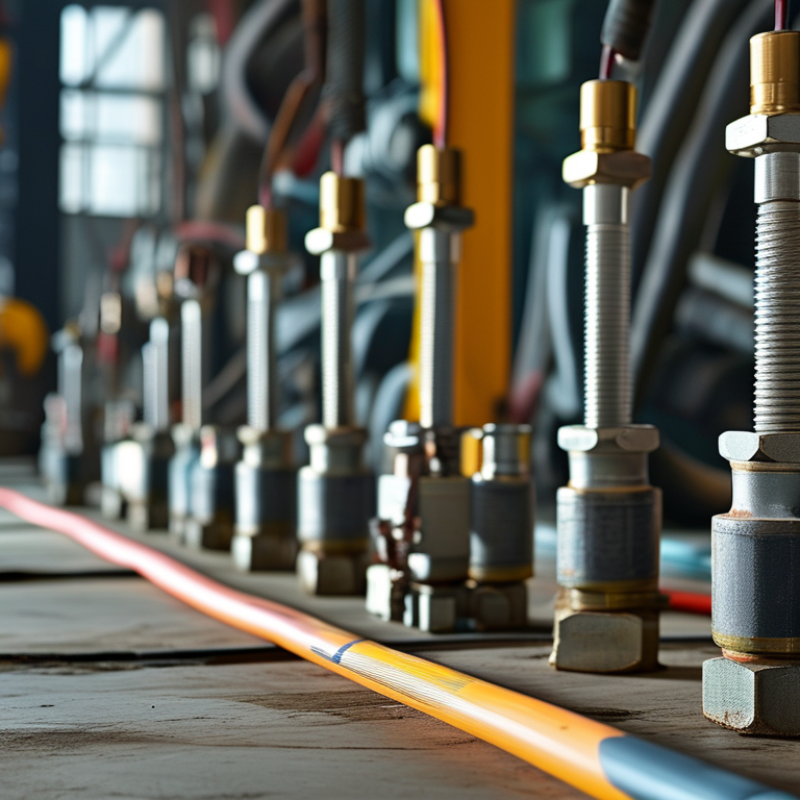
Why Choose a Hydraulic Test Hose for Your Next Project?

Benefits of Using Hydraulic Test Hoses in Industrial Applications

Hydraulic test hoses are essential in industrial applications. They offer a reliable and efficient way to conduct pressure tests. According to a report by the Hydraulic Institute, using hydraulic testing methods can increase equipment lifespan by up to 30%. This quality ensures safety and durability in operations.

These hoses are designed to withstand high pressure and extreme temperatures. For example, many hydraulic test hoses can handle pressure levels exceeding 10,000 psi. This capability provides confidence during testing procedures. Durability is crucial, yet not all hoses are created equal. Some may wear out or fail under specific conditions. Regular inspections are vital to avoid mishaps.

In industrial environments, precision is key. Hydraulic test hoses contribute to accurate data collection. Accurate testing results streamline operations. However, users often overlook proper maintenance. Neglecting this step can lead to significant failures. Regular upkeep minimizes risks and maximizes productivity, reinforcing the importance of these hoses in hydraulic systems.

Why Choose a Hydraulic Test Hose for Your Next Project? - Benefits of Using Hydraulic Test Hoses in Industrial Applications

Dimension Value Benefit
Pressure Rating Up to 10,000 PSI High safety assurance for various applications
Temperature Range -40°F to 212°F Versatile for different environments
Material Reinforced rubber/metal Durable and resistant to wear and tear
Applications Hydraulic testing, pressure testing Critical for ensuring system integrity
Compliance ISO Certified Meets industrial standards for safety

Key Features of High-Quality Hydraulic Test Hoses

When selecting a hydraulic test hose for your project, quality is crucial. High-quality hoses are designed to withstand extreme pressure and temperature variations, which is essential for accurate testing. Look for hoses that feature reinforced construction. This reinforcement helps prevent bursting and increases durability. Furthermore, hoses with high-quality seals minimize leakage, ensuring safety during testing.

Flexibility is another key feature to consider. A flexible hose is easier to handle and position as needed. Stiff hoses can lead to complications or even accidents during operations. Also, check compatibility with various fluids. Certain hoses withstand specific hydraulic fluids better than others. Using the correct hose enhances reliability and efficiency.

Consider the testing environment. Hoses designed for outdoor use should be UV and weather-resistant. In contrast, indoor hoses might focus more on chemical resistance. Each application asks for distinct specifications. Take the time to assess these features. Poor choices can lead to project delays or increased costs. Proper research can make a significant difference in your project’s success.

Comparing Hydraulic Test Hoses to Other Testing Solutions

When comparing hydraulic test hoses to other testing solutions, several factors must be considered. Hydraulic test hoses, designed for high-pressure environments, often outperform their competitors in safety and reliability. Industry reports indicate that hoses can withstand pressures exceeding 20,000 psi, making them suitable for rigorous applications. This capability is crucial in sectors like oil and gas, where leaks can lead to catastrophic failures.

In contrast, other testing methods, such as static line testing, may lack flexibility. Static testing can miss critical variables in high-stress scenarios. While it offers a controlled environment, it may not accurately represent real-world conditions. Moreover, the speed of deploying hydraulic test hoses is notable. Rapid setup can reduce downtime significantly, enhancing productivity in projects.

However, the choice of hydraulic test hoses is not devoid of challenges. Improper handling or inadequate maintenance can compromise their integrity. Reports suggest that up to 30% of failures in testing setups stem from equipment mismanagement. Therefore, coupling hoses with thorough training ensures better outcomes. Understanding both the advantages and potential pitfalls of hydraulic test hoses is essential for achieving optimal results.

Best Practices for Selecting Hydraulic Test Hoses for Projects

When selecting a hydraulic test hose, it's crucial to consider several factors that impact performance and safety. According to a recent industry report, over 30% of hydraulic system failures are linked to hose issues. This highlights the importance of choosing the right hose for your application. Look for hoses that meet or exceed industry standards. This guarantees reliability and durability under high pressure.

Materials matter. Hydraulic test hoses are often made from rubber, thermoplastics, or composite materials. Each has unique characteristics affecting flexibility, temperature resistance, and chemical compatibility. It’s essential to evaluate the environment in which the hose will operate. For example, extreme temperatures can cause degradation, leading to failure. Consider conducting an evaluation of existing test hoses, as many projects overlook wear and tear.

Also, assess the hose diameter and length. An improperly sized hose can affect flow rates and pressure readings. Overly long hoses may create unnecessary pressure drops. Aim for an optimal length that suits your project's needs. Reflecting on past projects can reveal trends in hose performance, guiding future selections. Maintenance routines should include regular checks to ensure hoses remain in peak condition, as even small signs of wear can lead to significant issues.

Hydraulic Test Hose Selection Criteria

This chart illustrates the importance level of various criteria when selecting hydraulic test hoses. Each factor plays a crucial role in ensuring the effectiveness and safety of hydraulic systems in different projects.

Maintaining and Caring for Hydraulic Test Hoses for Longevity

When it comes to hydraulic test hoses, proper maintenance is essential for their longevity. These hoses are crucial for pressure testing in various projects. Regular inspection is vital. Look for signs of wear, such as cracks or abrasions. If you spot any, it’s time for a replacement.


Cleaning your hydraulic test hose is equally important. Use a gentle detergent and rinse thoroughly. Avoid harsh chemicals as they can degrade the materials. Also, ensure it is stored correctly. Coiling the hose in a loose, neat manner prevents kinks or bends. This will prolong its life.


Tips: Always check the connections before and after use. A loose connection can lead to leaks, resulting in costly damages. Store the hose in a cool, dry place away from direct sunlight. This simple step can make a big difference in preserving its quality. Remember, neglecting maintenance can lead to failures. Regular care saves time and money in the long run.

FAQS

: What should I look for in a hydraulic test hose?

: Choose hoses with reinforced construction. This prevents bursting and increases durability during high-pressure tests.

Why is flexibility important in hydraulic test hoses?

Flexible hoses are easier to handle and position. Stiff hoses may cause complications or accidents during operations.

How do I ensure compatibility with hydraulic fluids?

Check if the hose is designed for specific fluids. Using the right hose enhances reliability and efficiency.

What environment considerations should I keep in mind?

Outdoor hoses need UV resistance. Indoor hoses should be more chemically resistant, based on your testing conditions.

What are the risks of using hydraulic test hoses?

Improper handling or lack of maintenance can lead to failures. Up to 30% of issues arise from equipment mismanagement.

How can I maintain my hydraulic test hose?

Regularly inspect for wear, clean it gently, and store it properly. This ensures longevity and reliability of the hose.

Why might static line testing be less effective?

Static testing lacks flexibility and may miss critical variables. It doesn’t always represent real-world conditions accurately.

What can happen if connections are loose?

Loose connections can lead to leaks. This can result in costly damages and affect test accuracy.

How does proper storage affect hydraulic hoses?

Storing hoses in a cool, dry place prevents degradation. Avoid direct sunlight to maintain their quality.

What happens if I neglect hose maintenance?

Neglecting maintenance can lead to failures. Regular care is essential to save time and money on repairs.

Conclusion

A Hydraulic Test Hose is an essential tool for ensuring the reliability and safety of industrial systems. The primary benefits of using these hoses include their ability to withstand high pressure and provide accurate testing results, which are crucial in various applications. High-quality hydraulic test hoses feature robust construction and material resistance to wear and tear, making them superior to alternative testing solutions.

When selecting a hydraulic test hose for any project, it is vital to consider factors such as pressure ratings, flexibility, and compatibility with fluids. Additionally, maintaining and caring for these hoses is crucial for their longevity and performance. By following best practices for selection and maintenance, professionals can ensure the effectiveness and durability of hydraulic test hoses in their operations.

Ethan

Ethan

Ethan is a seasoned marketing professional with a deep expertise in our company's innovative product line. With a passion for sharing knowledge and insights, he takes the lead in regularly updating our corporate blog, where he explores industry trends, product features, and effective marketing......