Hydraulic Test Hose Fittings are crucial in any hydraulic testing scenario. Expert engineer John Anderson emphasizes, "Choosing the right fittings ensures safety and reliability." This statement underscores the vital role these components play in maintaining system integrity.
In the hydraulic industry, selecting the appropriate fittings can prevent costly failures. Many overlook the importance of compatibility between hoses and fittings. This oversight can lead to leaks and system malfunctions. The nuances of material selection, pressure ratings, and connection types are pivotal.
When faced with options, engineers must weigh features critically. Not all Hydraulic Test Hose Fittings are created equal. A wrong choice might seem minor, but it can escalate into significant issues. Reflecting on past experiences is key. Learning from mistakes will guide better decision-making in the future.
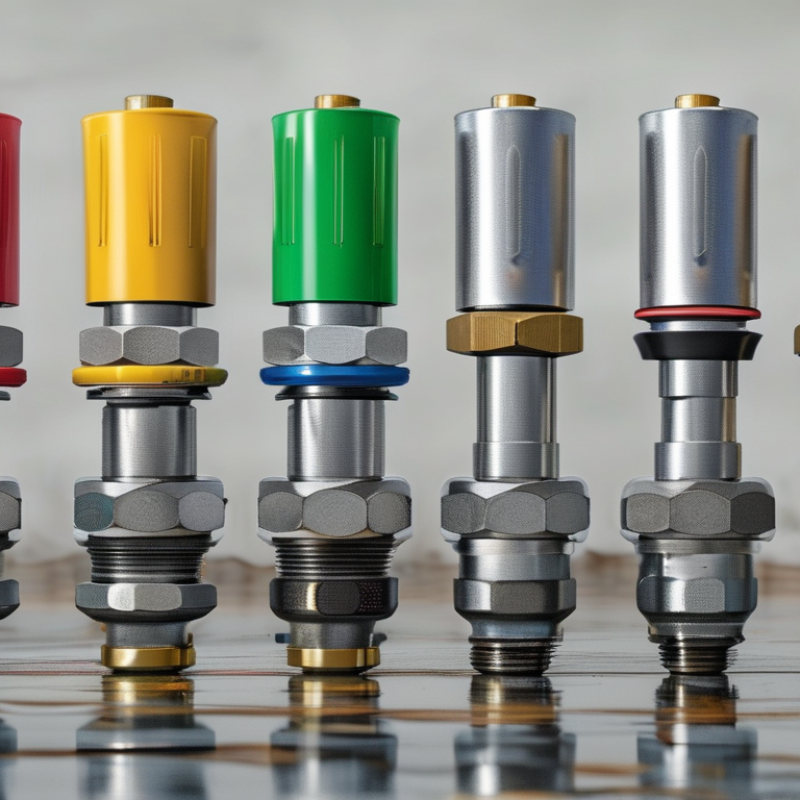
Hydraulic test hose fittings play a crucial role in various industries. They are essential for connecting hoses to equipment for pressure testing and fluid transfer. Understanding these fittings helps ensure safety during testing operations. Choosing the right fittings can prevent leaks and failures, which can lead to accidents.
Quality fittings must withstand high pressure and various fluids. Each fitting type has specific materials, designs, and sizes. This makes it important to select fittings based on your system's requirements. Sometimes, standard fittings may not be suitable, leading to issues. It’s essential to evaluate the application carefully.
Improper selection of these fittings can have serious consequences. The wrong material may corrode or degrade, impacting system integrity. Testing and evaluating fittings before use can help identify potential failures. Knowledge and careful consideration of hydraulic test hose fittings can enhance reliability and performance in your operations.
When selecting hydraulic test hose fittings, understanding the different types and their applications is essential. Popular types include quick-connect fittings, swivel fittings, and clamp fittings. Each type serves specific purposes in various environments. Quick-connect fittings allow for fast disconnection and reconnection, minimizing downtime in hydraulic systems. Swivel fittings enable flexible movement, reducing wear and tear on hoses. Clamp fittings offer strong connections for high-pressure applications.
Data from industry reports indicate that the demand for high-quality hydraulic fittings has surged by 15% over the past five years, driven by growth in the construction and automotive sectors. This trend highlights the importance of selecting the right fittings to match system requirements. Selecting subpar fittings can lead to leaks, efficiency loss, and increased costs. This can be detrimental to project timelines and safety.
Tips: When choosing fittings, consider the hose diameter and pressure ratings. Always check compatibility with your hydraulic fluid. It’s crucial to ensure that materials can withstand the operational environment. Regularly inspect fittings to identify wear, which could lead to failure. Investing in quality fittings pays off in the long run. Prioritize safety and reliability in your choices.
When selecting hydraulic test hose fittings, consider the material. Different materials offer varying levels of durability and resistance to pressure. Steel, for instance, is robust but may corrode. In contrast, nylon is lighter and resistant to certain chemicals. Evaluate the environment where these fittings will function. If corrosive elements are present, opt for materials with better resistance.
Another crucial factor is the sizing of the fittings. Mismatched sizes can lead to leaks or failures during operation. Always measure the internal and external diameters accurately. Calculating the required flow rates is also important. A fitting that restricts flow may not meet the system's demands, causing inefficiencies.
Lastly, consider the ease of installation. Some fittings come with features that simplify the setup process. Look for options that align with your skill level and available tools. Keep in mind that overly complicated fittings might lead to frustration or improper installation. Taking these points into account can improve your overall hydraulic system performance.
Choosing the right hydraulic test hose fittings is crucial for optimal performance. Many individuals overlook the specifications during selection, leading to improper fittings. This can cause leaks and equipment failure. The right fit guarantees efficiency, reliability, and safety.
One common mistake is ignoring compatibility with existing equipment. It’s essential to ensure that the fittings match the hose and couplings. Wrong dimensions can lead to serious issues. Moreover, neglecting material suitability may result in premature wear or corrosion.
Tips: Always verify the operating pressure ratings before making a purchase. Assess the environmental factors around the use of the fittings. Consider temperature extremes that could affect performance. Quality control is paramount in long-term efficiency.
Another frequent error is focusing solely on price. Cheaper options may not provide the best quality. They often come with hidden costs in repairs or replacements. Understand that investing in quality can save money in the long run.
Tips: Research different materials and their applications. Seek expert opinions if unsure about specific needs. Quality fittings enhance safety in hydraulic systems, drastically reducing failure risks.
| Fitting Type | Material | Pressure Rating (psi) | Common Applications | Common Mistakes |
|---|---|---|---|---|
| JIC Fittings | Steel | 3000 | Heavy machinery, production equipment | Choosing wrong size |
| NPT Fittings | Brass | 1500 | Plumbing, compressors | Neglecting thread sealants |
| BSP Fittings | Stainless Steel | 2000 | Agriculture, automotive | Mixing BSP and NPT |
| Push-On Fittings | Rubber | 1000 | Light machinery, oil lines | Over-tightening |
Maintaining hydraulic test hose fittings is crucial for optimal performance. Regular inspections can help prevent leaks. Checking for wear and damage should be routine. Look for cracks or deformation in the fittings. These signs often indicate that replacement is necessary. A neglected hose can lead to failures during testing, which may cause serious issues.
Proper cleaning is another important aspect of maintenance. Use compatible cleaners to remove dirt and grime. Avoid abrasive materials that can scratch the surface. This can compromise the seal over time. After cleaning, inspect the threads on the fittings. Ensuring they are free of debris ensures a tight connection. Always refer to the manufacturer’s guidelines for specific care instructions.
Storing hydraulic fittings properly also matters. Avoid leaving them in areas exposed to extreme temperatures. High heat or cold can impact the material's integrity. A climate-controlled environment is best for storage. Regular maintenance evaluation is a good practice to adopt, even if some components appear functional. This approach often reveals issues before they escalate.
: Common types include quick-connect fittings, swivel fittings, and clamp fittings. Each serves different purposes.
Choosing appropriate fittings prevents leaks, inefficiencies, and potential safety hazards. It significantly impacts overall performance.
Always check if the hose diameter, pressure ratings, and materials match. Compatibility is crucial for reliable operation.
Consider durability and resistance. Steel is strong but can corrode. Nylon is lightweight and chemical-resistant.
Poor-quality fittings may lead to leaks and failures. Often, they create hidden costs in repairs or replacements.
Measure diameters accurately. Understand the complexity of the fittings before installation to avoid frustration.
Look at corrosive elements and temperature extremes. These factors impact the materials and overall fitting performance.
Regular inspections identify wear and potential failures, maintaining safety and efficiency in hydraulic systems.
Cheaper fittings may seem appealing, but they can lead to higher maintenance costs over time. Quality is more cost-effective.
Selecting the right Hydraulic Test Hose Fittings is crucial for ensuring the efficiency and safety of hydraulic systems. These fittings play a vital role in connecting hoses, allowing for precise pressure testing and fluid transfer. Different types of hydraulic test hose fittings are designed for various applications, making it essential to understand their specific uses and compatibility with your system.
When choosing hydraulic fittings, consider key factors such as the material, size, and pressure rating to avoid common mistakes that could compromise system integrity. Additionally, regular maintenance of hydraulic test hose fittings can prolong their lifespan and prevent leaks or failures. By paying attention to these considerations, you can make informed decisions that enhance the performance and reliability of hydraulic operations.

TM Hydraulic