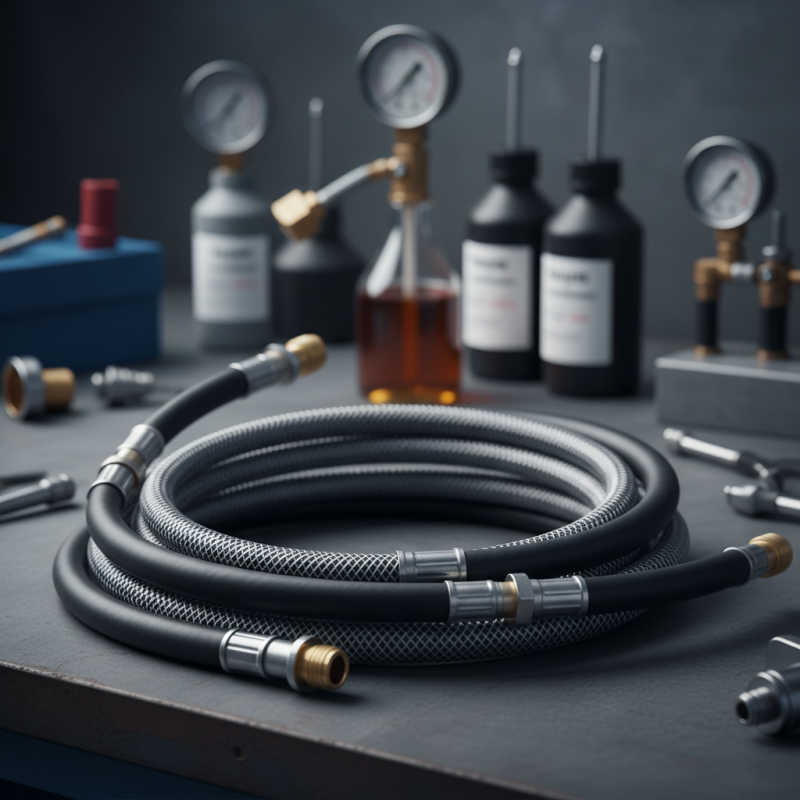
Choosing the right equipment is crucial for hydraulic testing. One essential component is the Flexible Test Hose Hydraulic. It plays a vital role in various applications, ensuring safety and reliability.
When selecting a Flexible Test Hose Hydraulic, consider the intended use. Different tasks may require unique specifications. Think about the pressure levels and fluid types. These factors will greatly influence your choice. You may face challenges when assessing quality and performance metrics.
Additionally, inspecting durability is important. A hose should withstand wear in harsh environments. However, it's easy to overlook details during the selection process. With so many options, finding the perfect fit can be daunting. Taking time to research can lead to better decisions. It’s crucial not to rush these choices, as they impact your operations directly.
Understanding the Basics of Flexible Test Hose Hydraulics
Choosing the right flexible test hose for hydraulics is crucial. It affects performance and safety. Various types exist, each with specific applications. Key factors include pressure ratings, temperature compatibility, and hose material. For instance, hoses with high burst pressure ratings can prevent accidents in high-pressure systems.
Understanding the basics of flexible test hose hydraulics can help avoid common pitfalls. According to industry reports, improper hose selection leads to over 30% of hydraulic failures. This may cause downtime and increased repair costs. The right material ensures durability and longevity. Rubber and thermoplastic are popular choices. They both offer flexibility and strength.
Tips: Always check compatibility. Review pressure ratings and temperature limits. Regular inspections can identify wear or damage early. Keeping a maintenance schedule can prolong hose life. Many overlook these aspects; they can save you costly repairs in the long run. Small oversights lead to big issues. Don’t ignore the basics. Focus on the details.
Identifying Your Testing Needs and Applications
When choosing a hydraulic test hose, identifying your testing needs is crucial. Different applications require varying pressure ratings, flexibility, and lengths. According to industry reports, a significant percentage of users experience failures due to not matching hoses to their specific applications. This could lead to costly downtime or even safety hazards.
Assess your environment. Are you working in tight spaces or on uneven surfaces? A flexible hose designed for maneuverability may be necessary. Look for hoses that withstand harsh conditions. For example, extreme temperatures or corrosive fluids can affect performance. Consider the pressure range of your application. Hoses should exceed the maximum pressure to ensure safety.
**Tip:** Always consult technical specifications before purchasing. This reduces the chances of mismatches. Additionally, consider the weight of the hose. Heavy hoses can be difficult to maneuver, impacting your workflow.
Another factor is the frequency of use. For infrequent testing, a more robust, less flexible hose may suffice. If you test regularly, select a hose that balances durability and flexibility. Inadequate choices can lead to wear and tear, affecting testing accuracy.
**Tip:** Don’t hesitate to ask for expert recommendations. They can provide insight into the most suitable hoses for your requirements. Ultimately, your decisions will impact performance and safety in your operations.
How to Choose Flexible Test Hose Hydraulic for Your Needs?
| Application |
Pressure Rating (psi) |
Temperature Range (°F) |
Material |
Length (ft) |
| Hydraulic Testing |
5000 |
-20 to 200 |
Rubber |
10 |
| Environmental Testing |
3000 |
-40 to 180 |
PVC |
15 |
| Pressure Testing |
4000 |
0 to 150 |
Thermoplastic |
20 |
| Fluid Transfer |
2500 |
-40 to 212 |
Silicone |
30 |
| Industrial Applications |
6000 |
-20 to 220 |
Steel Reinforced |
25 |
Key Factors in Selecting the Right Hose Material
Choosing the right flexible test hose hydraulic involves careful consideration of the hose material. Different materials affect both performance and durability. Common choices include rubber, PVC, and composite blends. Each has unique properties suitable for various applications.
Rubber hoses offer excellent flexibility and resilience. They are suitable for high-pressure applications but can degrade under UV light. PVC hoses, on the other hand, are lightweight and cost-effective, yet they might lack the same flexibility under pressure. Composite hoses combine the best of both worlds, providing resistance to chemicals and a lightweight design.
Always consider the intended use and environmental factors. A hose exposed to heat might not perform well over time. Sometimes, users prioritize price over quality. This can lead to issues during critical operations. It is essential to weigh all factors, including performance and longevity, before making a decision.
Assessing Pressure Ratings and Temperature Limits
When selecting a flexible test hose for hydraulic work, pressure ratings are crucial. Each hose has a maximum pressure threshold. Pushing beyond this limit can lead to failures. Inspect the specifications carefully. Misjudging the pressure can result in dangerous situations. Always prioritize safety by understanding the hose's capabilities.
Temperature limits matter too. A hose may handle high pressure, but what about heat? Different materials have varying heat resistance. Using a hose outside its temperature range compromises integrity. Check the operating temperature. Look for any signs of wear. A small crack can be a critical failure point. People often overlook this aspect, leading to costly repairs.
Invest time in assessing both factors. Take your time when making a choice. A rushed decision might seem convenient now. In the long run, poor selection could result in serious issues. Remember, each application has unique needs. Tailoring your hose selection to those needs is essential for success.
Evaluating Compatibility with Hydraulic Fluids and Environments
When selecting a flexible test hose for hydraulic applications, compatibility with hydraulic fluids is crucial. Different fluids, such as oil or water-based solutions, can affect hose material. For example, petroleum-based fluids may degrade rubber or certain plastics. Testing these materials against the intended fluid helps avoid premature wear and failures. A mismatch can lead to leaks, increased maintenance costs, or even catastrophic failures.
Furthermore, consider the environment in which the hose will operate. Extreme temperatures or exposure to harsh chemicals can also impact hose integrity. Not all hoses can withstand the same conditions. Assessing the operating temperature range and environmental factors is critical. A hose that performs well in one setting may fail in another.
Ultimately, it's important to balance flexibility and durability. An overly flexible hose may not support certain pressures effectively, leading to issues. Conversely, a hose that's too rigid might not fit into tight spaces easily. Careful evaluation of both fluid compatibility and environmental conditions can help guide your decision. Seek advice if unsure; this could save time and resources in the long run.
FAQS
: Consider the performance, durability, and intended application of the hose material.
Rubber hoses are flexible and resilient, ideal for high pressure, while PVC hoses are lightweight and cost-effective but less flexible.
Yes, heat and UV light can degrade certain hose materials, affecting their longevity and reliability.
Mismatched fluids can degrade hose material, leading to leaks and increased maintenance costs.
Choosing a cheaper hose might result in failures during critical operations, which can be costly.
Assess temperature ranges and chemical exposures to ensure the hose can withstand the operating conditions.
An overly flexible hose may not support high pressures effectively, risking function and safety.
No, a hose that works in one setting may fail in another; always evaluate specific conditions.
Test hose materials against the intended fluids to ensure compatibility and longevity.
Seek advice from experts; it’s a wise investment of time and resources.
Conclusion
When selecting a Flexible Test Hose Hydraulic, it is crucial to understand the fundamentals of hydraulics and the specific requirements of your testing applications. Begin by clearly identifying the nature of your testing needs, as different situations may demand varying specifications in hose characteristics.
Key factors to consider include the hose material, which affects durability and flexibility, as well as pressure ratings and temperature limits that ensure safe and effective operation. Additionally, evaluating the compatibility of the hose with hydraulic fluids and environmental conditions is essential to prevent failures and prolong service life. By carefully assessing these elements, you can make an informed decision that meets your hydraulic testing requirements.
 TM Hydraulic