 TM Hydraulic
How to Choose the Best Test Point Fittings for Your Needs?
Choosing the right Test Point Fittings is crucial for precision in various applications, especially in fluid systems. According to the Fluid Power Manufacturers Association (FPMA), improper fittings can lead to a 30% increase in maintenance costs. Advances in this sector are driven by the need for reliability and efficiency. Experts like Dr. John Smits, a respected engineer in fluid dynamics, emphasize, "Quality Test Point Fittings can determine the success of a project."
The market offers a multitude of options. Each fitting must meet specific requirements for compatibility, pressure rating, and installation ease. A recent report from the International Standards Organization (ISO) ranks accurate fittings as a top priority for engineers. Yet, many overlook this critical aspect, which can result in costly oversights.
Test Point Fittings play a vital role in system performance. Choosing wisely can mitigate risks while maximizing functionality. Engaging with industry best practices can offer insights, but not all manufacturers align with these standards. Therefore, it's essential to assess options closely and consult with industry experts.
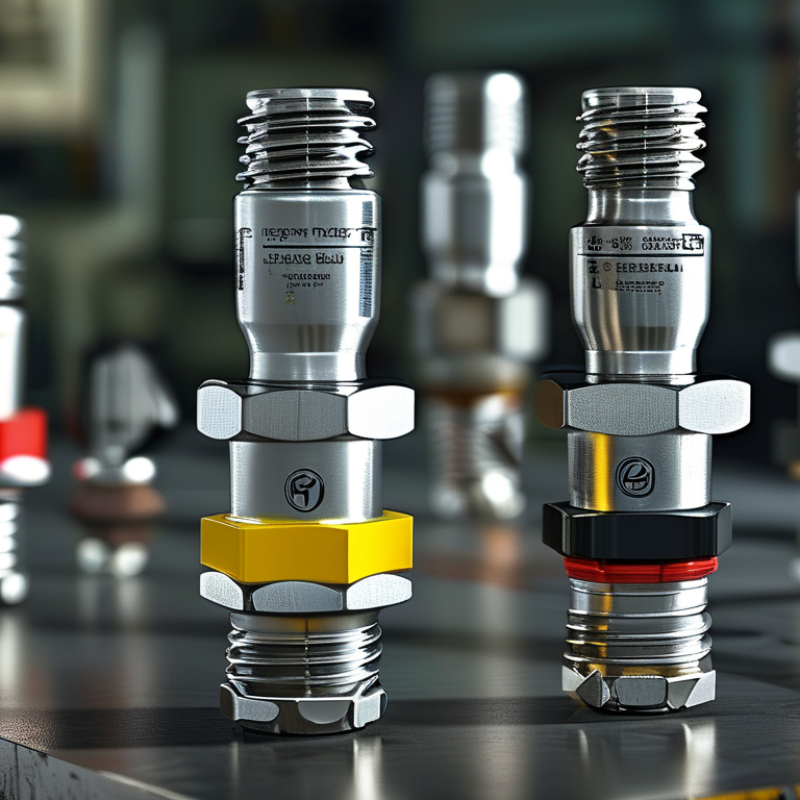
Understanding Test Point Fittings and Their Importance
Test point fittings are essential components in various systems. They enable easy access to pressure and fluid samples, which are vital for maintenance and testing. Their design influences reliability. This complexity increases the need to choose the right fittings carefully. Faulty fittings can lead to leaks or inaccurate readings, risking safety and efficiency.
Understanding the different types of test point fittings is crucial. Each fitting serves distinct purposes. Some are designed for high-pressure systems, while others cater to lower pressure requirements. The material used in fittings also plays a significant role. Metal fittings are often more durable, but plastic options are lighter and can reduce corrosion risks.
Selecting the wrong fitting may lead to problems. For example, a fitting that cannot withstand temperature changes may fail over time. Reflecting on these choices is important. Consider your specific application needs. Investigate the environments where these fittings will be used. This thoughtful approach can enhance the performance and longevity of your system.
How to Choose the Best Test Point Fittings for Your Needs?
| Feature | Description | Importance |
|---|---|---|
| Material | Common materials include brass, stainless steel, and plastic. | Correlates with durability and resistance to corrosion. |
| Size | Available in various sizes to fit different applications. | Ensures compatibility with your existing systems. |
| Pressure Rating | Indicates the maximum pressure the fitting can withstand. | Critical for safety and functionality in high-pressure situations. |
| Temperature Range | Specifies the temperature extremes the fitting can handle. | Important for applications in varying environments. |
| Connection Type | Can be threaded, unthreaded, push-fit, etc. | Affects installation ease and system integrity. |
FAQS
: Test point fittings allow easy access to pressure and fluid samples for maintenance and testing.
The design affects reliability. Poor designs can lead to leaks and inaccurate readings.
Consider pressure, temperature, and compatibility with the materials flowing through the fittings.
Metal fittings are more durable, while plastic options are lighter and less prone to corrosion.
Environmental factors can cause fittings to fail. Choosing based on those conditions is essential.
A wrong choice can lead to leaks or malfunction, risking safety and operational efficiency.
Complex fittings can require special tools, increasing downtime and complicating maintenance tasks.
Material can influence durability and reliability. Incorrect selection may lead to leaks or failures.
Yes, industry experts can provide insights that help prevent costly mistakes later.
Assess what went wrong in material choice or compatibility to improve future selections.
Conclusion
Choosing the right Test Point Fittings is crucial for ensuring efficient and reliable system performance. To start, it's important to understand what Test Point Fittings are and their role in various applications. Identify your specific requirements based on the systems you are working with, as different applications may necessitate unique fitting types and configurations.
Next, evaluating material options is essential since the durability and compatibility can vary significantly between different materials. Assessing the size and ensuring compatibility with existing systems will help avoid installation issues and maintain system integrity. Finally, consider the reputation of the manufacturer and adhere to quality standards to guarantee that your Test Point Fittings will meet the necessary performance and safety requirements, ultimately leading to successful outcomes in your projects.
