2026 Best Test Point Fittings for Hydraulics What to Choose?

Time:2026-08-01 Author:Sienna
0%

In the realm of hydraulics, choosing the right Test Point Fittings For Hydraulics is crucial. These fittings play a vital role in monitoring hydraulic systems. According to the Hydraulic Institute's 2022 report, optimal selection can improve efficiency by over 15%. However, many professionals find this choice overwhelming. As industry expert John Smith stated, "The right fittings can transform hydraulic performance, yet many overlook their importance."

Understanding the various options available is essential. The market offers fittings made from diverse materials, each with unique properties. Selecting the wrong type can lead to leaks or failures. In fact, a 2021 study highlighted that improper fittings were responsible for 30% of hydraulic system failures. This startling statistic reinforces the need for careful selection.

Focusing on reliability and durability is key. Test Point Fittings For Hydraulics must withstand high pressures and harsh environments. Yet, many users neglect to assess the environmental conditions their systems face. Mistakes happen. Taking the time to research and consult with experts can save significant costs in the long run. Making informed decisions can lead to better system performance and longevity.
2026 Best Test Point Fittings for Hydraulics What to Choose?

2026 Overview of Hydraulic Test Point Fittings and Their Applications

Hydraulic test point fittings play a crucial role in various applications. They allow for quick and easy access to the hydraulic system for testing and maintenance. This feature is vital for ensuring the reliability and efficiency of hydraulic systems in industries like manufacturing, aerospace, and automotive. When choosing the right fittings, it's essential to consider the specific needs of your system.

Different types of test point fittings are available. Some are designed for high-pressure applications, while others are better suited for lower pressure environments. It's important to assess the working conditions and the type of fluid involved. Corrosion resistance is another key factor. Materials must withstand harsh environments without degrading.

Selecting the appropriate fitting impacts not only performance but also safety. Improper fitting can lead to leaks and system failures. This highlights the importance of consulting experts in the field. They can offer insights based on years of experience. Always question if your current choices align with best practices, and consider potential improvements. Regular reviews of hydraulic systems can prevent unforeseen issues down the line.

Key Factors to Consider When Selecting Test Point Fittings for Hydraulics

Choosing the right test point fittings for hydraulics is critical. Several key factors influence this decision. Understanding the type of fluid and its properties is essential. Different fluids react differently with materials. Compatibility can prevent costly leaks and system failures.

The pressure rating of the fittings also matters. Ensure that the fittings can handle the maximum pressure in your system. Underestimating this point can lead to serious accidents. Additionally, consider the fitting's size and connection type. Mismatched sizes can disrupt the entire hydraulic system.

Durability is another factor. Fittings made from robust materials can withstand harsh environments. Look for corrosion resistance, especially in outdoor applications. On the other hand, the design should allow for easy access. This ensures timely maintenance. Reflecting on these aspects can reveal gaps in your current setup. Investing time in selecting quality fittings pays off in safety and efficiency.

Comparative Analysis of Popular Materials for Hydraulic Test Points

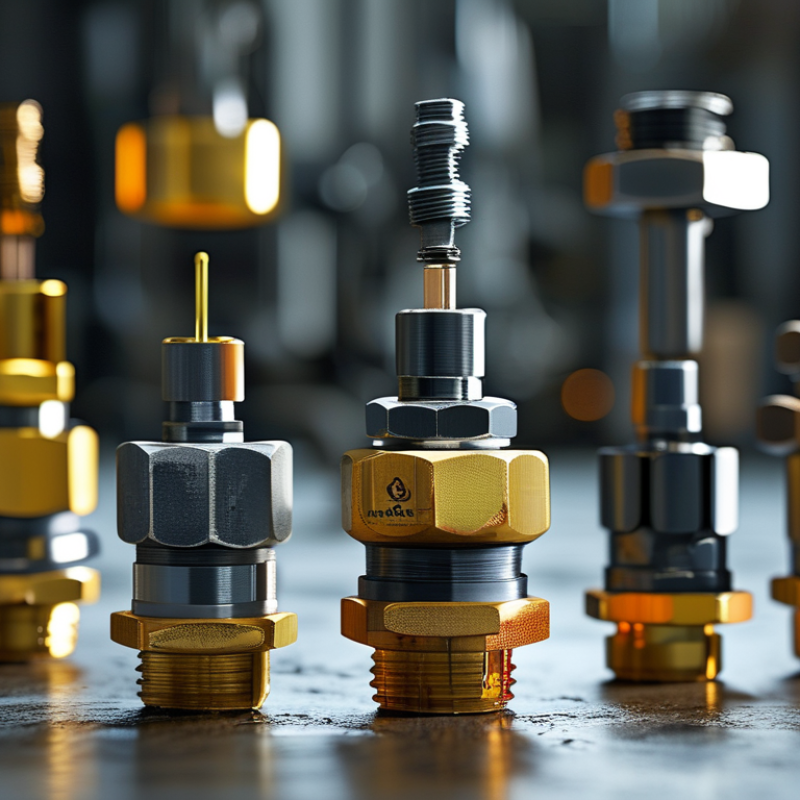
When selecting hydraulic test point fittings, material choice plays a crucial role. The most common materials include steel, stainless steel, and brass. Each material has unique properties that affect performance and durability.

Steel is strong and relatively inexpensive. It excels in high-pressure applications. However, it can corrode over time. This makes it less suitable for environments with humidity or chemicals. Stainless steel offers excellent corrosion resistance and durability. It is ideal for harsh conditions. But, it is often more expensive than carbon steel. Brass is lightweight and easy to work with. It resists corrosion and is suitable for lower-pressure applications. The trade-off is its vulnerability to high-pressure fluctuations.

Tips: Consider your specific application needs. Analyze the working environment. Choose a fitting material that balances cost and durability. Regular maintenance is essential, regardless of the material. Evaluate the fittings periodically for signs of wear or corrosion. This habit can prolong the lifespan of your hydraulic system.

2026 Best Test Point Fittings for Hydraulics What to Choose?

Material Temperature Resistance (°C) Pressure Rating (bar) Corrosion Resistance Cost (per unit)
Stainless Steel -200 to 600 400 Excellent $5.00
Brass -40 to 250 300 Moderate $3.50
Aluminum -50 to 150 200 Good $2.50
Composite -40 to 120 150 Excellent $4.00

Industry Standards and Regulations Governing Hydraulic Test Point Fittings

When selecting hydraulic test point fittings, industry standards are crucial. These regulations ensure safety and performance across various applications. Adhering to standards like ISO and SAE is essential for maintaining reliability. Each fitting must meet specific pressure and temperature ratings. Carefully assessing these ratings helps prevent failures in critical systems.

Tips: Always verify that your fittings align with the specified pressure and flow requirements of your system. This ensures optimal functionality. Check for materials that resist corrosion, as harsh environments can quickly degrade quality.

Choosing the correct test point fitting can be complex. Different applications may require distinct configurations. Many overlook the importance of compatibility with existing equipment. Testing these fittings under actual conditions can reveal potential weaknesses. Use caution when working with used fittings; they may not meet current standards.

Tips: Regular inspections of fittings can minimize unexpected failures. Document any changes in operational conditions that could affect performance.

Hydraulic Test Point Fittings Comparison (2026)

Future Trends in Hydraulic Test Point Fittings for Enhanced Performance

The future of hydraulic test point fittings is becoming increasingly important. As industries advance, the demand for efficient and reliable fittings rises. Enhanced performance means improved safety and better data accuracy. New designs will likely focus on durability and materials that resist wear and corrosion. The manufacturing process is evolving, leading to lighter but stronger components.

Technology plays a crucial role in the development of these fittings. Automation and smart integration are gaining traction. Remote monitoring systems are being explored, allowing operators to track performance in real-time. This innovation could reduce downtime during maintenance. However, there are challenges in ensuring compatibility with existing systems.

Feedback from professionals highlights the need for continuous improvement. Not all current designs meet the high standards expected by today’s industries. There are gaps in performance that require attention. As trends shift, staying informed and adapting will be essential for all stakeholders involved.

FAQS

: What factors should I consider when selecting test point fittings for hydraulics?

: Key factors include fluid type, pressure rating, size, and durability of the fittings.

Why is fluid compatibility important for fittings?

Compatibility prevents leaks and system failures, which can be costly to repair.

How can I determine the right pressure rating for my fittings?

Ensure the fittings can handle the maximum pressure in your hydraulic system.

What happens if I underestimate the pressure rating?

Underestimating pressure can lead to serious accidents and equipment failures.

How does the fitting's size affect my hydraulic system?

Mismatched sizes can disrupt operation and efficiency in the entire hydraulic system.

What materials should I look for in durable fittings?

Look for corrosion-resistant materials, especially for outdoor applications.

Why is easy access to fittings important?

Easy access ensures timely maintenance, which is crucial for system efficiency.

What industry standards should I adhere to?

Adhere to standards like ISO and SAE to ensure safety and performance.

How can I ensure compatibility with existing equipment?

Test fittings under actual conditions and consider your existing system's requirements.

What should I do about used fittings?

Use caution; they may not meet current standards and could lead to failures.

Conclusion

The article "2026 Best Test Point Fittings for Hydraulics: What to Choose?" provides a comprehensive overview of hydraulic test point fittings, highlighting their various applications across industries. It emphasizes the importance of understanding key factors when selecting test point fittings for hydraulics, such as compatibility, pressure rating, and ease of installation.

Additionally, the article offers a comparative analysis of the most common materials used for hydraulic test points, discussing their advantages and potential drawbacks. It also outlines the industry standards and regulations that govern these components, ensuring safety and reliability. Finally, the article looks ahead to future trends in hydraulic test point fittings, predicting innovations that will enhance performance and efficiency in hydraulic systems. This guide serves as a valuable resource for professionals seeking to make informed decisions regarding test point fittings for hydraulics.

Sienna

Sienna

Sienna is a skilled marketing professional with a deep expertise in our company’s core products and services. With a passion for innovation and detail, she plays a pivotal role in crafting insightful blog posts that not only highlight the unique features of our offerings but also provide valuable......