In the world of hydraulic systems, choosing the right Hydraulic Test Port Fittings is crucial. These fittings play a vital role in maintaining system integrity and facilitating efficient pressure testing. As we approach 2026, global buyers must be aware of the top options available in the market.
Hydraulic Test Port Fittings vary in design and material. Users should consider factors like pressure ratings, compatibility, and overall durability. While many products claim superiority, not all live up to the hype. It's essential to make informed choices based on credible sources and user experiences.
Buyers often overlook the importance of proper fitting selection. A mismatch can lead to leaks, system failures, or safety hazards. Reflecting on this can prevent costly mistakes. The right information and expert insights can guide you in selecting the best Hydraulic Test Port Fittings to meet your needs effectively.
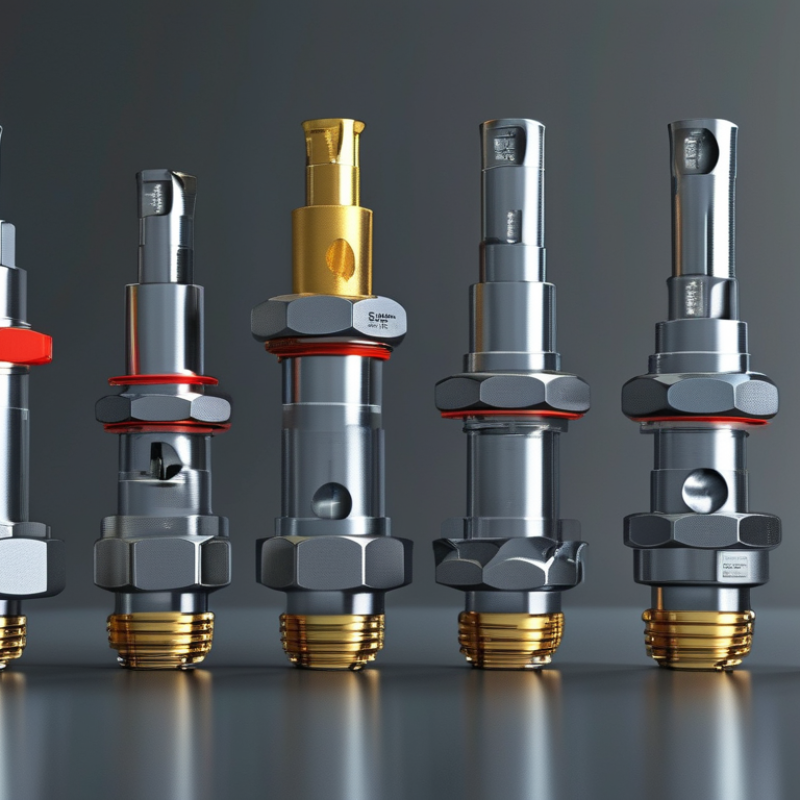
Hydraulic test port fittings come in various types, each designed for specific applications. Common types include straight fittings, elbow fittings, and tee fittings. Straight fittings offer a direct pathway for fluid flow, while elbow fittings allow for directional changes. Tee fittings enable branching connections, essential for complex hydraulic systems.
According to a recent industry report, the global hydraulic fittings market is projected to grow at a CAGR of 5% from 2022 to 2028. This growth indicates an increasing demand for reliable hydraulic systems across many industries, including construction and agriculture. The rise in machinery usage requires durable hydraulic test port fittings that can withstand high pressure.
However, many buyers face challenges in selecting the appropriate fittings. Not all products on the market offer the same level of quality. Some may not meet international safety and performance standards. Buyers should also consider the material used, as certain metals can corrode over time, affecting performance. Making informed decisions is crucial.
When selecting hydraulic test port fittings, several key features are essential. One of the most important aspects is the material used in the fittings. High-quality materials, such as stainless steel or brass, ensure durability and resistance to wear. Corrosion resistance plays a significant role, especially in harsh environments. Different applications may require specific materials to withstand various fluids.
Another crucial feature is the fitting size and compatibility. Proper sizing prevents leaks and ensures an efficient hydraulic system. It is wise to check the specifications before purchase. Many buyers overlook this minor detail, leading to expensive errors.
Thread types also vary between fittings. Common options include NPT and BSP threads. Understanding these differences is critical for installation. A fitting that doesn’t match can cause serious system issues. Additionally, assessing pressure ratings is necessary for safe operation. Some fittings might look similar but can handle very different pressures. Always verify that the chosen fitting meets the demands of your specific application to avoid complications down the line.
When it comes to hydraulic test port fittings, several manufacturers stand out globally. Their commitment to quality and innovation sets them apart. These manufacturers focus on creating fittings that meet varying industry standards. They continuously invest in research and development to improve their products.
The best manufacturers often prioritize durability and safety in their designs. They use advanced materials that withstand high pressure and harsh environments. This attention to detail enhances the reliability of hydraulic systems. However, not all fittings are created equal. Some might lack the rigorous quality control that ensures optimal performance. As buyers, it’s crucial to understand the specifications and features that matter most.
There's no one-size-fits-all for hydraulic fittings. Various applications require different solutions. This diversity can lead to confusion in selecting the right product. It’s essential to consult with industry experts who can offer guidance tailored to specific needs. Engaging with knowledgeable professionals ensures the choice of fitting matches the application's demands, resulting in improved system efficiency.
When evaluating hydraulic test port fittings, it's important to consider various aspects. The material used often affects durability and performance. Common materials include steel, brass, and plastic. Steel fittings offer strength but can rust. Brass is corrosion-resistant, yet can be costly. Plastic options are lightweight, but may crack under pressure.
The design of the fittings significantly impacts fluid flow and ease of use. Some designs include straightforward connections, while others may include complex configurations for specialized applications. Ease of maintenance is also a crucial factor. Misaligned or overly complicated fittings can lead to slow responses during testing. Buyers often overlook this aspect, only to face challenges later.
Manufacturers should provide detailed specifications. A deficiency in data can lead to improper selections. Feedback from users can also offer insights into the reliability of different fittings. This community-based knowledge becomes essential when making purchasing decisions. Ultimately, understanding these factors will guide buyers toward making informed choices in hydraulic test port fittings.
| Fitting Type | Material | Pressure Rating (psi) | Temperature Range (°F) | Size (Inch) | Connection Type |
|---|---|---|---|---|---|
| Test Coupling | Stainless Steel | 5000 | -40 to 250 | 1/4 | Male NPT |
| Test Plug | Brass | 3000 | -20 to 150 | 3/8 | Female NPT |
| Quick Disconnect | Aluminum | 4000 | -15 to 200 | 1/2 | Push-to-Connect |
| Test Valve | Carbon Steel | 6000 | -20 to 300 | 3/4 | Flanged |
| Test Adapter | Nickel-Plated Steel | 3500 | -30 to 200 | 1/4 | BSPT |
The design and usage of hydraulic test port fittings are evolving rapidly. As industries aim for more efficiency, the focus is on creating reliable and durable fittings. Advanced materials are now being utilized to enhance strength and resistance to harsh environments. These materials reduce wear and extend the lifespan of fittings, which ultimately leads to cost savings for users.
Tips: Always consider the operating pressure and temperature when choosing fittings. This ensures compatibility and safety in your hydraulic systems.
Future trends indicate a rise in smart hydraulics. Sensors integrated into fittings will enable real-time monitoring of pressure and flow rates. Users can expect improved data collection, resulting in better maintenance and troubleshooting. However, the integration of technology creates a need for training and adaptation.
Tips: Regular training for staff is essential. Keeping up with technological advancements will prevent costly mistakes.
Increased emphasis on sustainability is also shaping future designs. Manufacturers are focusing on eco-friendly materials and waste reduction. Yet, the challenge lies in balancing sustainability with performance requirements. Striking this balance demands continuous innovation and reflection on current practices.
: Common materials include steel, brass, and plastic. Steel offers strength but may rust. Brass resists corrosion but can be expensive.
Proper compatibility prevents leaks and ensures efficient hydraulic systems. Many buyers overlook specifics, leading to costly errors.
Different thread types, like NPT and BSP, can cause serious installation issues if mismatched. It's essential to understand these differences.
Always verify that the fitting meets your application’s pressure demands. Some fittings may look similar but handle different pressures.
Misaligned or complicated fittings can slow responses during testing. Users often face challenges if they overlook maintenance concerns.
Expect advances like smart hydraulics with integrated sensors for real-time monitoring. Training is necessary to adapt to these innovations.
Manufacturers are focusing on eco-friendly materials and waste reduction. Balancing performance with sustainability remains a significant challenge.
High-quality materials ensure durability and resistance to wear. Choosing the right material can significantly impact long-term performance.
Community insights can guide buyers toward reliable options. It’s wise to consider user experiences before making a decision.
Keeping updated with technological advancements helps prevent costly mistakes. Regular training ensures your team's competencies align with new systems.
The article "2026 Best Hydraulic Test Port Fittings for Global Buyers" provides a comprehensive overview of hydraulic test port fittings, essential components used in various hydraulic systems. It explores the different types available in the market, highlighting key features that buyers should consider when selecting the right fittings, such as durability, compatibility, and ease of installation.
Additionally, the article examines leading manufacturers of hydraulic test port fittings across the globe and offers a comparative analysis of the most popular options available. Furthermore, it discusses future trends in the design and usage of these fittings, emphasizing the importance of innovation in meeting the evolving needs of industries reliant on hydraulic systems. This thorough exploration aids global buyers in making informed decisions in their purchasing process.

TM Hydraulic