2026 Best Hydraulic Test Point Solutions for Global Buyers?

Time:2026-05-09 Author:Oliver
0%

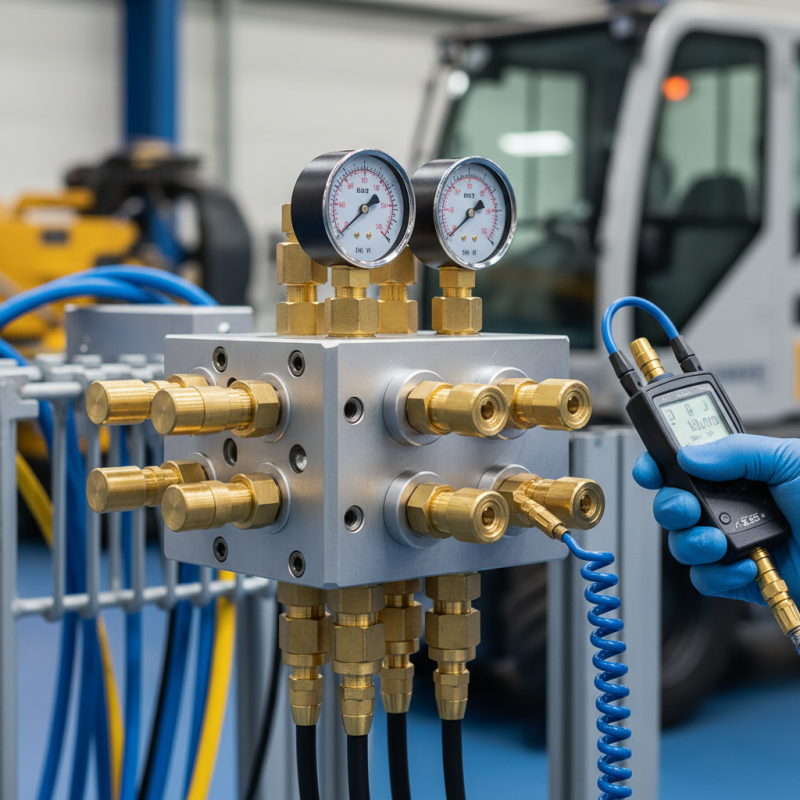
In the evolving landscape of fluid power technology, the demand for reliable Hydraulic Test Point solutions has surged. According to a recent market research report, the hydraulic components market is expected to reach $78 billion by 2026, driven by advancements in performance and efficiency. Hydraulic Test Points play a crucial role in enhancing system performance while allowing technicians to monitor pressure and fluid levels safely.

These test points ensure quick and accurate diagnostics, essential for preventing system failures. A study highlights that improper testing can lead to significant downtime and financial losses for businesses. The growing emphasis on maintenance and safety standards is encouraging investment in high-quality hydraulic testing solutions. However, the challenge remains: not all products meet rigorous industry standards.

With a myriad of options available, buyers face difficulties in selecting the best solutions. It is vital to consider reliability, compatibility, and performance metrics in their decision-making process. Notably, many manufacturers are still working towards achieving optimal designs that meet diverse operational needs. The future of Hydraulic Test Points lies in innovation, sustainability, and the ability to adapt to industry challenges. The right choice can lead to improved operational efficiency and enhanced safety protocols.
2026 Best Hydraulic Test Point Solutions for Global Buyers?

Overview of Hydraulic Test Point Solutions Available in 2026

In 2026, the demand for hydraulic test point solutions is expected to rise significantly as industries prioritize precision in pressure testing. Recent industry reports indicate a projected annual growth of 6.5% in hydraulic systems, highlighting the need for reliable testing mechanisms. Companies are now focusing on adaptable hydraulics that can cater to a variety of conditions and equipment types. The emphasis on sustainability also drives innovation in test point solutions, with manufacturers seeking eco-friendly materials to reduce their carbon footprints.

Acceptable hydraulic test point solutions in 2026 are showcasing improved designs that enhance ease of use and maintenance. Many solutions feature integrated indicators for real-time pressure monitoring. This shift aims to decrease downtime and enhance operational efficiency. However, despite these advancements, some designs still lack user-friendly interfaces. Users may find error handling challenging in high-pressure environments. This indicates a need for greater focus on human factors in equipment design.

The rise of automation in hydraulic testing presents both opportunities and challenges. Automated systems can improve testing consistency and data accuracy, yet they may increase the complexity of equipment. Users must receive adequate training to navigate these sophisticated systems effectively. Current industry analysis reveals that organizations often overlook the importance of operator training in maximizing equipment efficiency. Addressing this gap can be essential to fully benefit from new test point technologies.

2026 Best Hydraulic Test Point Solutions for Global Buyers

Test Point Type Pressure Range (bar) Temperature Range (°C) Material Connection Type Key Features
Standard Test Point 0-400 -20 to 100 Stainless Steel NPT Male Corrosion Resistant, Easy Installation
High-Pressure Test Point 0-600 -40 to 200 Alloy Steel BSP Female High Durability, Leak Proof
Temperature Test Point 0-300 -50 to 150 Brass Threaded High Accuracy, Compact Design
Digital Test Point 0-1000 -20 to 120 Plastic Composite Quick Connect Real-Time Data, User-Friendly Interface

Key Features to Consider When Selecting Hydraulic Test Points

When choosing hydraulic test points, several key features should guide your selection. Quality materials are essential. Ensure that the components can withstand high pressure and harsh conditions. This will enhance durability and reliability. Look for test points that meet industry standards. This reflects their suitability for various applications.

Consider the ease of installation. Test points should be user-friendly. Complicated installations can lead to errors. Check if the design allows for simple connectivity. Adjustable components may offer flexibility in different situations. This can be a game-changer in hydraulic systems.

Tips: Always review user feedback. Real-world experiences can highlight strengths and weaknesses. Also, evaluate the manufacturer's reputation. Trustworthy suppliers often provide better support and warranties. Be cautious of overly cheap options. Quality often comes with a price, and compromising may lead to future issues.

Top Global Suppliers of Hydraulic Test Point Solutions for 2026

As the demand for hydraulic test point solutions continues to grow, buyers must prioritize finding reputable suppliers. Key factors include product quality, technical support, and reliability. Companies that specialize in hydraulic systems often offer a wealth of expertise. They understand the pressures and challenges faced by users in diverse industries.

Global suppliers are focusing on innovation in design and functions. Quality materials enhance longevity. It’s vital to ensure that manufacturers adhere to industry standards. Many suppliers provide detailed documentation, showcasing their approach to safety and performance. Buyers should do thorough research and request certifications when evaluating potential partners.

However, not every supplier meets high standards. Some may overpromise and underdeliver. A lack of transparent communication can lead to issues down the line. Buyers must ensure that potential suppliers offer comprehensive solutions, not just products. Engaging with a variety of suppliers can reveal insights into what works best in different applications. Doing so cultivates informed decisions for future projects.

Comparative Analysis of Hydraulic Test Point Technologies

Hydraulic test points are crucial in various industries. They provide easy access for pressure measurement and fluid sampling. The technology behind these systems has evolved significantly, offering several solutions for buyers. Understanding these options helps in selecting the right technology for specific applications.

One popular technology is the isolation valve system. It allows for maintenance without interrupting operation. Another option is the inline test port. It is known for its compact design, making it suitable for tight spaces. Both systems have unique advantages. However, they also present challenges. Isolation valves require careful installation, while inline ports can be difficult to access.

Buyers need to consider factors like compatibility and ease of use. Some hydraulic test points may not integrate well with existing systems. Additionally, ongoing maintenance is essential to ensure reliability. Regular checks prevent leaks and malfunctions. The choice of technology also impacts safety. Complex systems may increase the risk of errors during testing. Evaluating these aspects will lead to better decision-making in the long run.

Future Trends in Hydraulic Testing Solutions for Global Markets

The future of hydraulic testing solutions is evolving rapidly. Innovations are steering the development of more efficient and reliable test point solutions. As industries become more interconnected, the demand for real-time data increases. Buyers are looking for systems that enable remote monitoring with minimal disruptions to operations.

Precision and durability remain critical in designing hydraulic test points. However, standard solutions may not cater to all needs. Manufacturers must adapt and customize to suit specific applications. This approach leads to a fragmented market where versatility becomes a key differentiator. Additionally, some existing solutions may not meet emerging regulatory standards, necessitating continuous refinement.

Investing in advanced technology could enhance operational sustainability. However, there are challenges. Developing new features can be resource-intensive, putting pressure on companies. Balancing innovation with cost-effectiveness requires careful planning. Stakeholders must engage in honest dialogues about expectations. Collaboration between suppliers and users will become essential for navigating this complex landscape.

2026 Best Hydraulic Test Point Solutions for Global Buyers

This chart illustrates the market share distribution among various hydraulic testing solutions projected for 2026. The focus areas include pressure testing, temperature monitoring, flow rate evaluation, leak detection, and fluid quality assessment, showcasing key trends in the global market.

FAQS

: What materials should I look for in hydraulic test points?

: Quality materials are essential. They should withstand high pressure and harsh conditions.

How important is installation ease for hydraulic test points?

Installation ease is critical. Complicated setups can lead to errors.

What role does user feedback play in selecting hydraulic test points?

User feedback highlights strengths and weaknesses. It can guide better choices.

Why should I evaluate a manufacturer's reputation?

A trustworthy supplier offers better support and warranties. Reliability is key.

What technological options are available for hydraulic test points?

Popular options include isolation valves and inline test ports. Each has unique pros and cons.

How do isolation valves compare to inline test ports?

Isolation valves allow maintenance without stopping operations. Inline ports save space but can be hard to access.

What maintenance practices are essential for hydraulic test points?

Regular checks prevent leaks and malfunctions. Ongoing maintenance is vital.

Can all hydraulic test points integrate easily with existing systems?

Some may not integrate well. Compatibility is an important consideration.

What should I be cautious about when choosing suppliers?

Beware of overly cheap options. Compromising on quality could cause future issues.

Why is it important to request certifications from suppliers?

Certifications showcase a supplier's commitment to safety and performance. Always do thorough research.

Conclusion

The article "2026 Best Hydraulic Test Point Solutions for Global Buyers" provides a comprehensive overview of the advancements in hydraulic test point technologies projected for the upcoming year. It discusses the key features that must be considered when selecting hydraulic test points, such as compatibility, durability, and ease of installation. Furthermore, it identifies the top global suppliers expected to dominate the market in 2026, offering insights into their capabilities and innovations.

Through a comparative analysis of different hydraulic test point technologies, the article highlights the varying options available to buyers, enabling them to make informed decisions. Additionally, it explores future trends in hydraulic testing solutions, emphasizing the importance of adapting to evolving market needs. Overall, this summary serves as a valuable resource for anyone looking to understand the hydraulic test point landscape in 2026.

Oliver

Oliver

Oliver is a seasoned marketing professional with a wealth of expertise in driving brand awareness and engagement. With a deep understanding of our company's product offerings, he consistently delivers high-quality content that enriches our professional blog. His insights not only shed light on......