In the global market, the quest for the best hydraulic test hose coupling is crucial for many industries. These couplings are essential for hydraulic systems, ensuring efficiency and safety in operations. Choosing the right coupling can significantly impact performance and reliability.
China has emerged as a key player in manufacturing hydraulic test hose couplings. With advanced technology and stringent quality controls, Chinese manufacturers offer a wide range of options. Buyers must be aware of varying quality standards in products. Not every supplier delivers the same level of expertise or reliability.
Understanding the core characteristics of hydraulic test hose couplings is vital. Features like pressure rating and material strength determine their effectiveness. Potential buyers should seek well-reviewed manufacturers who prioritize quality and customer satisfaction. While the options are plentiful, careful consideration will ensure a more informed purchase decision.
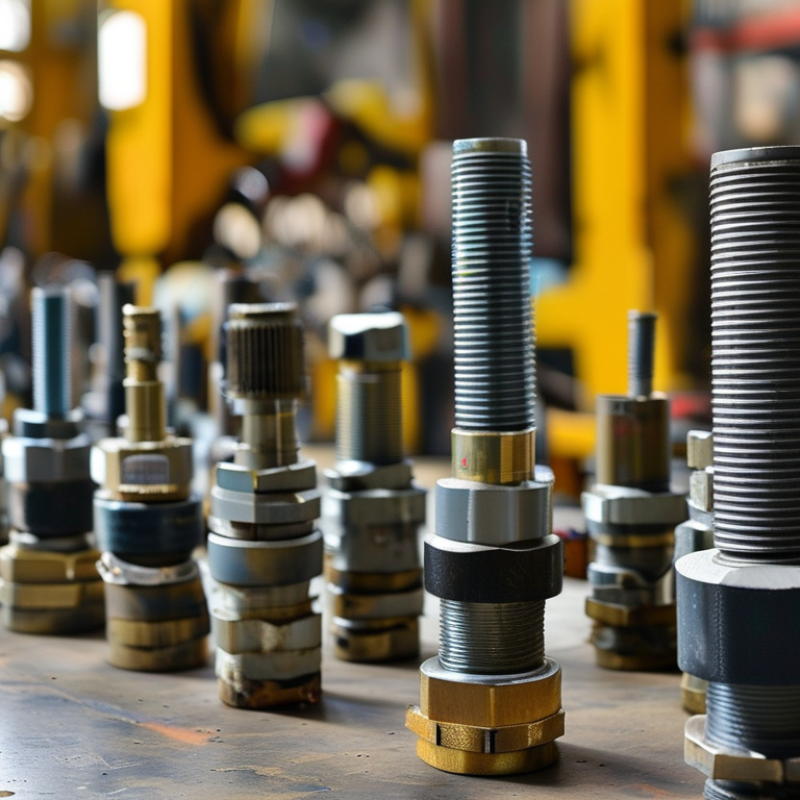
Hydraulic test hose couplings are crucial in various industrial applications. These components ensure that fluids are conveyed safely and effectively. They are typically used in testing systems, acting as a link between hoses and equipment. Their reliability prevents leaks and potential failures during high-pressure tests.
When selecting hydraulic couplings, consider the materials used. High-quality materials resist corrosion and wear. Ensure that the couplings can withstand the specific pressures and temperatures relevant to your operations. Poor choices can lead to costly failures.
Here are some tips:
When choosing hydraulic test hose couplings, it's essential to focus on key features that ensure high performance. Durable materials, such as reinforced rubber or high-grade steel, enhance the coupling's resistance to wear and tear. These materials provide the strength necessary for high-pressure applications. Look for couplings that are rated to withstand extreme pressures and temperatures. Such specifications are crucial for safety and efficiency.
Another critical aspect is the ease of installation and disconnection. An efficient coupling should facilitate quick changes without tools, saving time on projects. The design should also minimize leakage risks, ensuring that hydraulic fluids remain contained. It’s concerning how often users overlook these details, leading to potential hazards in their operations.
A reliable sealing mechanism is vital. O-rings or seals should be made from materials that can withstand the hydraulic fluid's chemical composition. Regular inspections and replacements are necessary but often neglected. This can compromise performance and safety over time. Choosing couplings with a proven history of reliability can make a noticeable difference in daily operations.
China has emerged as a leader in manufacturing hydraulic test hose couplings. These couplings are essential for testing high-pressure hydraulic systems. Many industries rely on them for safety and efficiency. They ensure that systems can withstand environmental and operational pressures. The quality and craftsmanship from Chinese manufacturers are notable.
However, not all products are created equal. Some manufacturers may prioritize cost over quality. This could lead to variances in performance. Buyers should consider the specifications and materials used. Comparative assessments can help in choosing the right manufacturer. Testing and certifications are critical for reliable couplings.
Choosing the right manufacturer can be challenging. The market is flooded with options. Research is essential to navigate these choices. Reading reviews and seeking expert opinions can guide decisions. Buyers must be diligent in their selection process.
| Specification | Material | Pressure Rating | Diameter | Connection Type | Application |
|---|---|---|---|---|---|
| Hose Coupling A | Aluminum Alloy | 3000 PSI | 3/8 inch | Male-Female | Testing Hydraulic Systems |
| Hose Coupling B | Stainless Steel | 4000 PSI | 1/2 inch | Quick Disconnect | Industrial Applications |
| Hose Coupling C | Brass | 2500 PSI | 3/4 inch | Swivel | Agricultural Equipment |
| Hose Coupling D | Polyurethane | 2000 PSI | 1 inch | Female-Female | Construction Equipment |
The global market for hydraulic test hose couplings is evolving rapidly. According to a recent industry report, the market is expected to grow at a compound annual growth rate (CAGR) of 6.2% over the next five years. This growth reflects increasing demand across various industries, including construction and manufacturing. These couplings are essential for ensuring that hydraulic systems perform safely and effectively.
In addition, new technological advancements are reshaping the sector. Manufacturers focus on enhancing the durability and performance of couplings. Modern materials and designs increase resistance to pressure and temperature variations. However, challenges remain. There is a need for better quality control and standardization across regions to ensure safety. Without these measures, there is a risk of failures that can lead to costly damages.
Furthermore, buyer preferences are shifting. There’s a growing interest in eco-friendly and sustainable products. Companies that adapt to these preferences may find a competitive advantage. Data indicates that over 30% of buyers prioritize sustainability in their purchasing decisions. Meeting this demand will require continuous innovation and commitment to environmental responsibility throughout the supply chain.
Choosing the right hydraulic test hose coupling is crucial for efficiency and safety. Many industries rely on stringent testing protocols. According to industry reports, approximately 30% of hydraulic failures result from faulty couplings. Ensuring compatibility between hose and coupling is vital. Misalignment can lead to leaks and potential accidents.
Material selection also plays a significant role. For instance, couplings made from carbon steel often perform better under high pressure compared to aluminum options. Furthermore, reports indicate that rubber hoses require specific couplings designed to withstand their flexibility and resilience. Understanding the operating environment is equally important. Temperature fluctuations may compromise coupling integrity.
End-users should consider operational needs before making a purchase. Some couplings are better suited for high-volume applications, while others excel in low-pressure scenarios. Research shows significant variances in performance metrics based on environmental factors. Every choice has potential drawbacks. Sometimes, a specialized coupling might appear costly. Nonetheless, long-term durability and fewer failures can justify the investment.
: They link hoses and equipment, ensuring safe and effective fluid conveyance during testing.
High-quality materials resist corrosion and wear, preventing costly failures in operations.
Regularly inspect for wear, check pressure ratings, and train staff on proper handling.
Misalignment can lead to leaks, accidents, and potential failures during high-pressure tests.
Focus on durability, easy installation, leakage prevention, and reliable sealing mechanisms.
Regular inspections are essential, yet they are often neglected, threatening performance and safety.
The market is expected to grow at a CAGR of 6.2% over the next five years.
Innovations in materials and designs are enhancing the durability and pressure resistance of couplings.
Over 30% of buyers prioritize eco-friendly products, creating a shift in market demand.
The need for better quality control and standardization is crucial to avoid costly failures.
Hydraulic Test Hose Couplings play a critical role in various industrial applications, providing reliable connections for hydraulic systems and ensuring safe and efficient operation. High-quality couplings are characterized by their durability, leak-proof design, and resistance to pressure and temperature fluctuations, which are essential for maintaining system integrity during testing processes.
China has emerged as a leading manufacturer of Hydraulic Test Hose Couplings, catering to the growing global demand. As market trends evolve, buyers are increasingly looking for couplings that offer advanced features and robust performance. When selecting the right Hydraulic Test Hose Coupling, it's important to consider factors such as compatibility with existing systems, pressure ratings, and material quality to meet specific operational needs effectively.

TM Hydraulic