In the hydraulic industry, ensuring the safety and reliability of equipment is paramount. The "Hydraulic Hose Pressure Tester" plays a crucial role in this process. John Smith, a renowned expert in hydraulic systems, once stated, "Choosing the right pressure tester can save lives and equipment." His insight emphasizes the importance of selecting an appropriate tester for different needs.
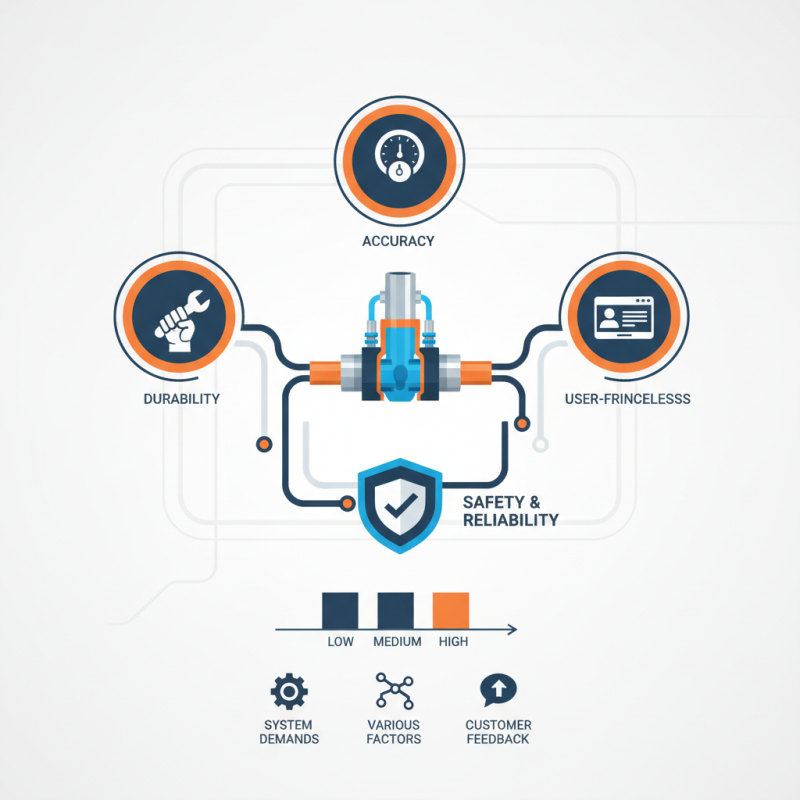
When evaluating hydraulic hose testers, various factors come into play. The accuracy, durability, and user-friendliness of the device are essential. It’s not just about functionality; the tester must endure harsh working environments. Many testers on the market may promise reliability but can fall short in practical applications. Continuous evaluation and testing for accuracy are necessary to avoid costly mistakes.
Moreover, understanding the specific demands of your hydraulic system is vital. Not all pressure testers are created equal, and one size does not fit all. You may find features that are beneficial but also others that complicate usability. Reflecting on customer feedback can guide users towards the best decisions. Balancing effectiveness with usability will enhance safety measures and ensure long-term success in hydraulic applications.
Understanding Hydraulic Hose Pressure Testers and Their Importance
Hydraulic hose pressure testers are crucial tools for maintaining the safety and efficiency of hydraulic systems. These testers measure the internal pressure of hoses, ensuring they can withstand operational demands. Regular testing helps prevent hose failures, which can lead to accidents or costly downtime. The accuracy of these tools depends on their design and calibration, making expertise in selection essential.
Understanding the pressure testing process is equally important. Technicians must follow specific procedures for accurate results. However, it's easy to overlook crucial steps, leading to misleading information. A common mistake is inadequate preparation of the hose before testing. This can result in readings that don’t reflect actual conditions.
It's also vital to consider user training. Even with the right equipment, untrained personnel may misinterpret results. This could lead to improper maintenance decisions. Investing in education and resources for users can enhance safety and efficiency. By prioritizing knowledge and careful testing, we can better protect equipment and personnel in hydraulic applications.
Key Features to Look for in a Hydraulic Hose Pressure Tester
When selecting a hydraulic hose pressure tester, consider several key features that enhance functionality. Accuracy is paramount. Ensure the tester delivers precise readings. This feature is essential for effective maintenance and troubleshooting.
A wide measurement range also matters. Look for testers that can handle varying pressure levels. This versatility ensures you can assess different systems efficiently.
Durability is another critical aspect. Testers made from high-quality materials withstand tough working conditions. Those used in industrial settings face harsh environments. So, choose a tester that offers rugged construction.
Ease of use is equally important. A straightforward design allows for quick setup and operation. Complicated interfaces can lead to errors and inefficiencies. Features like a clear display and simple controls make your job easier.
Portability should not be overlooked. A lightweight design is advantageous for on-site testing. It allows for quick relocation without sacrificing functionality.
Finally, check for additional accessories. Hoses, attachments, and calibration tools enhance the tester's value. A complete set ensures you are well-prepared for various tasks. Investing time in selecting the right tester is crucial. Each element contributes to reliability. Be cautious and think critically about your needs before making a decision.
Top Brands and Models for Hydraulic Hose Pressure Testing
When selecting a hydraulic hose pressure tester, understanding leading brands and models is crucial. Reliable testers typically feature a durable construction and precise gauge readings. These models are essential for maintaining hydraulic systems effectively, ensuring safety in various industrial applications.
Top brands often focus on user-friendly designs, making them accessible for both professionals and DIY enthusiasts. Some models have specific features like temperature resistance or advanced pressure calibration. However, it is important to note that not all testers provide the same accuracy or durability. User reviews can highlight both strengths and weaknesses, making it crucial to do thorough research.
Using a pressure tester provides peace of mind, but consumers should be aware of potential issues. Some inexpensive models might fail under high pressure, leading to inaccurate results. Additionally, calibration can be a sticking point; if neglected, user mistakes can occur over time. This highlights the need for regular checks and maintenance to uphold the reliability of any testing device.
How to Properly Use a Hydraulic Hose Pressure Tester
Using a hydraulic hose pressure tester is essential for ensuring safety and performance in hydraulic systems. This tool helps detect leaks and weaknesses in hoses. Regular testing can prevent catastrophic failures. The risk of a malfunction can increase by 45% if hoses are not routinely checked. Therefore, proper use of a hydraulic hose pressure tester is critical.
Before testing, ensure that all equipment is in good condition. Check for any visible damage on the hoses. Properly connect the tester to the hose. Following the manufacturer's instructions is vital to avoid accidents. Testing should be conducted at the recommended pressure levels. Overpressurizing can lead to hose failure, which may result in serious injuries.
Once the pressure is applied, monitor the readings closely. A sudden drop in pressure indicates a leak. It’s also important to observe the gauge for fluctuations. If the readings are unstable, re-evaluation may be required. Keep in mind that environmental factors can affect performance. Temperature changes can cause pressure variations. Adapt your testing methods accordingly for best results. Always document the pressure test results for future reference. This practice enhances accountability and helps establish trends over time.
Maintenance Tips for Longevity of Your Hydraulic Hose Tester
Maintaining your hydraulic hose tester is crucial for reliable performance. Regular inspections can help identify wear and tear. Check for leaks, cracks, and kinks. A small crack can lead to significant issues. Always clean the tester after use. Dirt and debris can cause misreads in pressure tests. Using a soft cloth to wipe down surfaces ensures accuracy.
Calibration is essential for your tester. Over time, gauges can drift from their original settings. Taking the time to recalibrate can prevent errors in your readings. Storing the tester in a dry place also helps avoid corrosion. Moisture can damage internal components, so consider a dedicated case.
Lastly, remember to follow operational guidelines. Incorrect use can lead to premature failure. Training yourself or your staff on proper usage is beneficial. Sometimes, even minor mistakes can have costly consequences. Explore resources for tips or feedback on best practices.
Best Hydraulic Hose Pressure Tester for Your Needs? - Maintenance Tips for Longevity of Your Hydraulic Hose Tester
| Model |
Max Pressure (psi) |
Hose Size (inches) |
Features |
Maintenance Tips |
| Hydraulic Tester A |
6000 |
1/4 |
Digital Display, Adjustable Pressure |
Regularly check for leaks; Store in a dry place |
| Hydraulic Tester B |
5000 |
3/8 |
Compact Design, Dual Gauge |
Clean after use; Replace worn hoses |
| Hydraulic Tester C |
8000 |
1/2 |
High-Pressure Capability, Lightweight |
Perform pressure tests regularly; Check connectors |
| Hydraulic Tester D |
7000 |
1/4 |
User-Friendly Interface, Portable |
Store in a protective case; Regular calibration |
Conclusion
A Hydraulic Hose Pressure Tester is an essential tool for ensuring the integrity and safety of hydraulic systems. Understanding the importance of these testers, they play a crucial role in identifying leaks and potential failures before they escalate into significant issues. When selecting a tester, key features such as pressure range, ease of use, and durability should be prioritized to ensure reliability and efficiency.
Proper usage of a Hydraulic Hose Pressure Tester is vital to obtain accurate readings and maintain safety standards. Following manufacturer instructions and adhering to safety precautions is paramount. Additionally, regular maintenance, such as cleaning, calibration, and proper storage, will extend the lifespan of your tester, ensuring it remains a valuable asset in any hydraulic application. By prioritizing these factors, users can effectively enhance the performance and longevity of their hydraulic systems.
 TM Hydraulic
