
What are the Best Hydraulic Gauge Fittings for 2026?

Time:2026-03-06 Author:Henry
0%

As we approach 2026, the industry of Hydraulic Gauge Fittings is evolving rapidly. Recent reports indicate a surge in demand for precision-engineered fittings, crucial for ensuring system integrity and safety. According to a study by the International Fluid Power Society, the hydraulic fitting market is projected to grow at a compound annual growth rate of 5.6% through 2026.

Expert John Smith, a renowned authority in hydraulic systems, has stated, “The future of hydraulic gauge fittings lies in innovation and quality.” This highlights the need for manufacturers to balance cost-effectiveness with advanced design features. Selecting the right hydraulic gauge fittings can significantly impact performance. However, not all products meet industry standards, leading to potential failures and costly downtimes.

Moreover, some users overlook maintenance, which can lead to inadequate performance. It is vital to remember that even small issues can escalate, emphasizing the importance of high-quality hydraulic gauge fittings. As the industry progresses, understanding these nuances will be essential for ensuring reliability and efficiency in hydraulic systems.
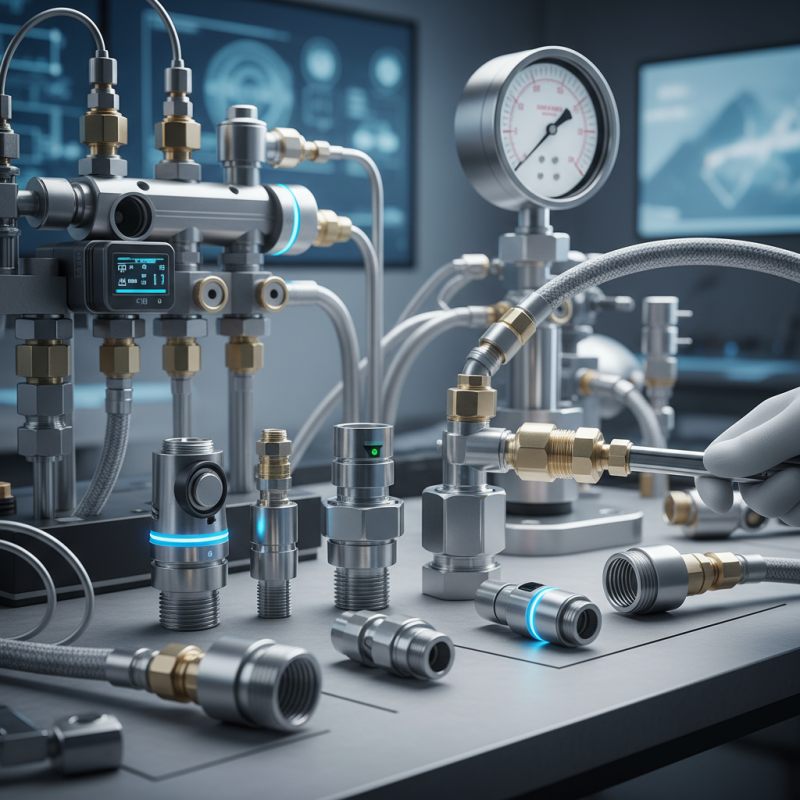
What are the Best Hydraulic Gauge Fittings for 2026?

Key Features to Consider in Hydraulic Gauge Fittings for 2026

When selecting hydraulic gauge fittings for 2026, a few key features stand out. The material is critical. Stainless steel and brass are popular choices. They resist corrosion and maintain accuracy. According to a market report by Frost & Sullivan, durability is becoming increasingly important, as the average lifespan of fittings is expected to reach over ten years by 2026.

Connection types matter too. Whether you need threaded or quick-disconnect options, each type has its pros and cons. The choice affects installation ease and serviceability. Additionally, size compatibility is vital. A study by the Hydraulic Institute reveals a 15% increase in demand for compact fittings due to equipment space constraints. This reflects a shift in how industries are approaching hydraulic systems.

A clean design may facilitate safety and maintenance. However, aesthetic choices should not compromise functionality. Some users overlook this balance, leading to performance issues. Careful consideration of these features fosters better hydraulic system efficiency. Understanding your specific needs will guide better-fitting choices in the future.

What are the Best Hydraulic Gauge Fittings for 2026? - Key Features to Consider

Feature Description Importance Material Options Pressure Rating
Compatibility Ensure fittings match the gauge and system specs. High Stainless Steel, Brass Up to 10,000 PSI
Temperature Resistance Fittings must withstand the operational temperature range. Medium Brass, Carbon Steel -40°F to 250°F
Thread Standard Industry standards like NPT or BSP for proper connections. High Brass, Stainless Steel Varies with design
Seal Type Choosing the right seal type can prevent leaks. High PTFE, O-Ring Varies with application
Size and Dimensional Accuracy Fit and compatibility with existing systems are crucial. Medium Aluminum, Steel Precision machining

Top Brands Offering Hydraulic Gauge Fittings in 2026

As the demand for hydraulic systems continues to grow, choosing the right gauge fittings becomes crucial. The hydraulic fitting market is projected to exceed $12 billion by 2026, indicating robust growth. Factors driving this trend include the expansion of industries such as construction and manufacturing. Professionals seek reliable solutions to ensure system efficiency and safety.

Top brands are responding to this demand with innovative designs and superior materials. Stainless steel and brass fittings offer enhanced durability and resistance to corrosion. Industry reports suggest that nearly 70% of hydraulic system failures are due to improper fittings. Accurate gauge fittings are vital for preventing leaks and ensuring optimal performance.

While many brands provide quality options, not all fit every application. It's important for users to match fittings with the specific requirements of their hydraulic systems. Every project may have unique specifications. This focus on customization is essential for achieving long-term reliability and operational success.

Material Options for Hydraulic Gauge Fittings: Pros and Cons

When selecting hydraulic gauge fittings, material choice is crucial. Common materials include stainless steel, brass, and plastic. Stainless steel is durable and corrosion-resistant. It is ideal for harsh environments. However, it can be expensive. On the flip side, brass is more affordable and offers good resistance to corrosion. Yet, brass can be susceptible to dezincification, a process that weakens its structure.

Plastic fittings are lightweight and resistant to corrosion. They are easy to install and handle. However, their strength is often inferior to metal options. High temperatures and pressures can compromise plastic fittings. This limitation could lead to potential leaks or failures.

Choosing the right material entails weighing these pros and cons. Each option has distinct advantages and drawbacks. The critical factor is to match the fitting material to application requirements. Reflecting on past experiences can also guide better choices. Proper assessment now can prevent issues in the future.

Innovative Design Trends in Hydraulic Gauge Fittings for 2026

As we look towards 2026, the design of hydraulic gauge fittings is evolving rapidly. New trends emphasize efficiency and user-friendliness. Streamlined shapes are no longer just aesthetic; they improve functionality as well. Designers are focusing on minimizing pressure drops and enhancing flow rates. This shift reflects a greater awareness of energy conservation.

One notable trend is the use of smart technology in fittings. Sensors embedded in gauges can now monitor performance in real-time. This innovation can alert users to pressure fluctuations instantly. The challenge, however, lies in ensuring that these systems are reliable and easy to maintain. Complexity can lead to issues, so simplicity is key.

Tips: Choose fittings that allow for easy integration of smart technology. Consider the material and coatings for durability. Look for designs that facilitate quick installations. These aspects can significantly improve long-term performance. Always test under real conditions to identify weaknesses. The aim is to balance innovation with reliability. Think carefully about your needs before making a decision.

Maintenance Tips for Extending the Life of Hydraulic Gauge Fittings

Hydraulic gauge fittings play a critical role in ensuring system efficiency. Regular maintenance can extend their lifespan significantly. Studies indicate that most hydraulic systems can benefit from scheduled inspections every six months. Small wear and tear can escalate into major failures if ignored. Dirt accumulation is a leading cause of gauge malfunction. Keeping fittings clean is essential for accurate pressure readings.

Lubrication is often overlooked. A controlled application of grease on threaded fittings prevents rust and improves longevity. Recent industry reports show that fittings with proper lubrication can last up to 30% longer. However, users often neglect this simple task, leading to premature wear.

Additionally, temperature fluctuations can affect fitting integrity. User awareness of environmental conditions is crucial. Extreme temperatures can lead to material degradation. It’s vital to monitor performance changes regularly. Ignoring these changes can have severe consequences. Monitoring and recording fitting performance ensures proactive maintenance, improving overall reliability.

FAQS

: What materials are recommended for hydraulic gauge fittings?

: Stainless steel and brass are popular choices. They resist corrosion and maintain accuracy over time.

How often should hydraulic systems be inspected?

Scheduled inspections every six months are beneficial. Small issues can escalate into bigger failures if ignored.

Why is size compatibility important in hydraulic fittings?

Size compatibility affects installation and performance. Compact fittings are increasingly in demand due to space constraints.

How can users extend the lifespan of hydraulic gauge fittings?

Regular maintenance, including cleaning and lubrication, can extend their lifespan significantly.

What impact do temperature fluctuations have on fittings?

Extreme temperatures can degrade materials. Regular monitoring of performance changes is essential for durability.

What are some common mistakes users make with gauge fittings?

Users often overlook lubrication and regular cleaning, leading to premature wear and malfunction.

How do smart technologies affect gauge fittings?

Smart technology can monitor performance in real-time but requires reliability and ease of maintenance for effectiveness.

What maintenance task is frequently neglected?

Lubrication of threaded fittings is often forgotten, yet it can prolong fitting life by up to 30%.

How can design influence hydraulic gauge fittings?

Streamlined and clean designs can improve functionality but must not compromise usability or efficiency.

What is vital for ensuring gauge accuracy?

Keeping fittings clean is essential, as dirt accumulation can lead to inaccurate pressure readings and performance issues.

Conclusion

The article "What are the Best Hydraulic Gauge Fittings for 2026?" provides a comprehensive overview of the essential factors to consider when selecting hydraulic gauge fittings for the upcoming year. Key features prioritize durability, accuracy, and compatibility with various hydraulic systems. It highlights the importance of choosing the right materials, discussing their respective advantages and disadvantages, ensuring optimal performance and longevity.

Moreover, the piece explores innovative design trends that are anticipated to shape the hydraulic gauge fittings market in 2026, emphasizing advancements that improve efficiency and convenience. Additionally, practical maintenance tips are offered to help users extend the lifespan of their hydraulic gauge fittings, ensuring reliability in critical applications. This holistic examination equips readers with the knowledge needed to make informed decisions in the evolving landscape of hydraulic gauge fittings.

Henry

Henry

Henry is a dedicated marketing professional with a profound expertise in the company's offerings. With years of experience in the industry, he possesses an impressive understanding of the market dynamics and consumer behaviors that drive success. Henry is committed to sharing his insights through......