
2026 Top SS Hydraulic Test Fittings What to Know?

Time:2026-03-16 Author:Liam
0%

In the realm of hydraulics, SS Hydraulic Test Fittings have emerged as a critical component for ensuring system integrity. As industry expert John Smith stated, "Quality fittings are essential for reliable hydraulic testing." This highlights the importance of selecting the right fittings for effective performance.

SS Hydraulic Test Fittings play a vital role in pressure testing. They connect various hydraulic components, providing a safe way to monitor system pressure. The materials used in these fittings ensure durability and resistance to corrosion. However, not all fittings are created equal. Poor quality fittings can lead to leaks and system failure.

Many assume all SS Hydraulic Test Fittings meet the same standards, but that isn't the case. It's crucial to evaluate specifications and compatibility with existing systems. This process requires careful consideration and sometimes painful learning experiences. Recognizing these details can save manufacturers time and resources in the long run. Understanding the nuances of SS Hydraulic Test Fittings is essential for maintaining safety and efficiency in hydraulic operations.
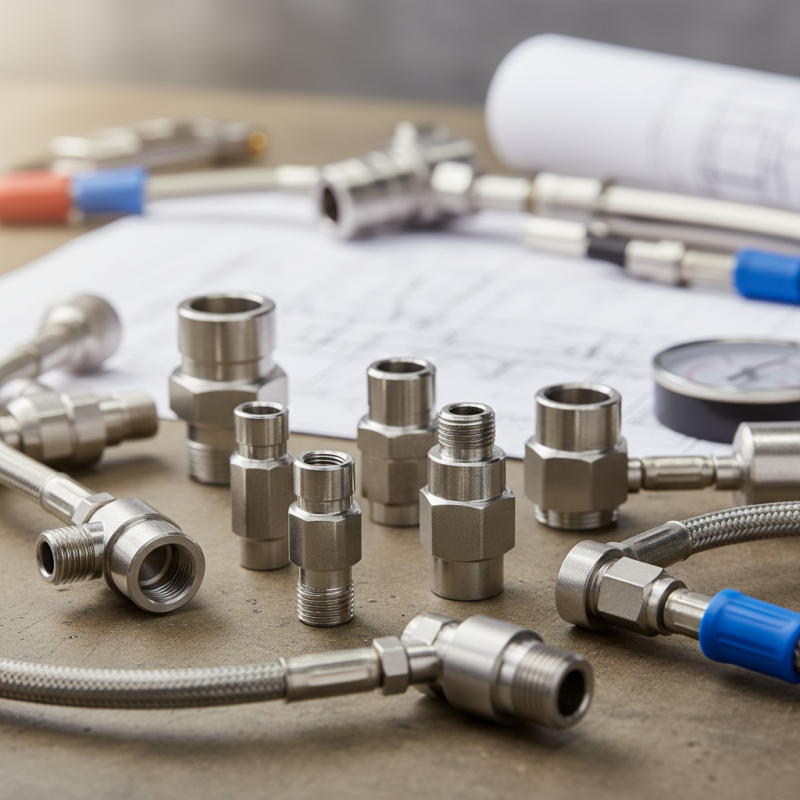
2026 Top SS Hydraulic Test Fittings What to Know?

Overview of SS Hydraulic Test Fittings and Their Importance

SS hydraulic test fittings are essential components in various industrial applications. They play a vital role in pressure testing hydraulic systems. These fittings ensure leak-proof connections, which helps maintain system integrity. Their reliability directly influences overall operational efficiency. Using the right fittings can prevent costly downtime and repair work.

These fittings come in various sizes and configurations. It’s crucial to select the appropriate type for specific applications. Understanding the working pressure and temperature requirements is necessary. Many users overlook this, leading to compromised system performance. Quality control during installation should not be underestimated, as even minor mistakes can lead to failure.

Maintenance of these fittings is often neglected. Regular inspections can identify wear and tear early. This proactive approach can save time and money in the long run. However, not everyone prioritizes this. There’s always room for improvement in the management of hydraulic systems. Small changes can make a significant impact.

2026 Top SS Hydraulic Test Fittings - Usage vs. Failure Rates

Key Features and Specifications of 2026 Top SS Hydraulic Test Fittings

When choosing hydraulic test fittings, several key features come into play. Stainless steel (SS) fittings are popular due to their corrosion resistance and durability. According to the 2022 Hydraulic Components Industry Report, SS fittings can handle pressures up to 10,000 psi. This is crucial for ensuring the integrity of hydraulic systems during testing.

The specifications of 2026 top SS hydraulic test fittings include a range of sizes. Common diameters vary from 1/4 inch to 1 inch. This flexibility allows engineers to select fittings that best suit their application needs. However, it's essential to match the fitting size with the tubing standards. Misalignment can lead to leaks or failures.

Another important aspect is temperature tolerance. Many SS fittings can operate efficiently in extreme temperatures, up to 400°F. Yet, high heat may weaken some materials, impacting performance. Thus, understanding the operational environment is necessary. It’s easy to overlook these factors in the design phase, but they could mean the difference between success and testing failure.

Applications and Industries Utilizing SS Hydraulic Test Fittings

SS hydraulic test fittings play a crucial role across various applications. These fittings connect hydraulic systems, ensuring secure fluid flow. They are essential in automotive, aerospace, and industrial sectors. In automotive industries, these fittings guarantee the integrity of fluid systems during testing. They help check pressure levels and fluid leaks in vehicles.

In aerospace, SS hydraulic test fittings ensure safety and reliability. These fittings endure extreme conditions. They are tested rigorously to prevent failures that could lead to accidents. Additionally, these fittings find use in manufacturing plants. They support hydraulic systems in machinery, helping maintain operational efficiency.

Despite their reliability, errors can happen. Improper installation can cause leaks. It’s vital to ensure correct torque specifications. Regular inspections help detect any wear or damage early. Addressing these concerns prevents issues before they escalate. This approach promotes a safer working environment. Engineers must focus on regular maintenance for optimum performance.

Maintenance and Safety Considerations for SS Hydraulic Test Fittings

When working with SS hydraulic test fittings, maintenance is key. Regular inspections ensure these fittings remain reliable. Visual checks should focus on signs of wear or corrosion. Frequent cleaning removes dirt and debris, which can compromise their function. A simple wipe down can go a long way.

Safety considerations are critical in any setup involving hydraulic systems. Always ensure fittings are properly rated for the pressure and environment they’ll be used in. Using the wrong fitting can lead to catastrophic failures. It’s also essential to follow the correct procedures while installing or replacing fittings. This includes using the right tools and equipment. Neglecting these steps can result in accidents or injuries.

Moreover, always document maintenance activities. This practice helps in tracking issues over time. It may feel tedious, but it’s valuable for future reference. Maintaining a safety-first mindset can make a substantial difference. Faulty fittings can create significant risks, a lesson learned too late for some. Regular reviews and training can improve the overall safety environment.

2026 Top SS Hydraulic Test Fittings - Maintenance and Safety Considerations

Fitting Type Pressure Rating (psi) Material Maintenance Frequency Safety Features
Straight Fitting 5000 Stainless Steel Annually Pressure Relief Valve
Elbow Fitting 6000 Stainless Steel Bi-annual Locking Mechanism
T-fitting 8000 Stainless Steel Quarterly Burst Disk
Caps and Plugs 3000 Stainless Steel As needed Sealing Rings

Comparative Analysis: Top Brands of SS Hydraulic Test Fittings in 2026

When assessing the top brands of stainless steel hydraulic test fittings in 2026, several key factors are essential. Quality and durability remain paramount. Many users prioritize fittings that can endure high pressure without leaking. The integrity of materials directly influences performance. Look for reliable sources that emphasize testing under extreme conditions.

Pricing is another essential consideration. Some brands are notably more expensive, but is the cost justified? A mid-range option might offer comparable reliability. Exploring user reviews can provide insights into long-term performance. Does the product stand the test of time? Observing patterns in feedback can be enlightening, revealing potential drawbacks.

Aesthetics also play a role. While functionality is critical, how a fitting looks can impact its installation environment. The finish, corrosion resistance, and ease of cleaning are often overlooked but crucial aspects. Engaging with professionals to compare experiences could uncover valuable tips. Always ask: What could go wrong? Addressing these questions fosters better decision-making in choosing hydraulic test fittings.

FAQS

: What materials are commonly used for hydraulic test fittings?

: Stainless steel is popular due to its corrosion resistance and durability.

What are the pressure ratings for hydraulic test fittings?

Many stainless steel fittings can handle pressures up to 10,000 psi.

What sizes do hydraulic test fittings come in?

Common diameters range from 1/4 inch to 1 inch for versatility.

Why is temperature tolerance important for hydraulic fittings?

Fittings can operate in extreme temperatures, but high heat may weaken materials.

How do hydraulic test fittings benefit automotive industries?

They ensure fluid system integrity and help detect pressure levels and leaks.

What precautions should be taken during installation?

Always use correct torque specifications to prevent leaks and failures.

How can regular maintenance improve hydraulic fitting performance?

Regular inspections catch wear and corrosion early, promoting safer operations.

What safety considerations must be followed?

Ensure that fittings are rated for specific pressures and environmental conditions.

Why is documenting maintenance activities important?

Tracking issues over time can help prevent future problems with fittings.

What can happen if proper procedures are not followed?

Neglecting installation procedures may lead to accidents or catastrophic failures.

Conclusion

SS Hydraulic Test Fittings are essential components in hydraulic systems, known for their durability and reliability under high-pressure conditions. This article highlights the significance of these fittings, discussing key features and specifications that make top models in 2026 stand out. Various applications across different industries showcase their versatility, from testing hydraulic equipment to ensuring system integrity.

Furthermore, the article emphasizes the importance of proper maintenance and safety considerations when using SS Hydraulic Test Fittings to prevent failures and ensure optimal performance. A comparative analysis of leading brands provides insights into the best options available, helping professionals make informed decisions for their hydraulic testing needs.

Liam

Liam

Liam is a dedicated marketing professional with a profound expertise in the industry, where he excels at highlighting the unique advantages of our core products. With a keen understanding of market trends and consumer needs, Liam frequently updates our company’s professional blog, providing......