
In the world of pressure measurement, selecting the right Pressure Gauge Male Connector is crucial. Industry expert Dr. John Parker states, "The right connector ensures accurate pressure readings and enhances system reliability." Understanding the nuances of pressure connectors can significantly impact the effectiveness of your assessment tools.
The Pressure Gauge Male Connector acts as the linchpin in pressure measurement systems. Its role is often overlooked but is essential for maintaining accuracy. Many users mistakenly assume that any connector will suffice, but this choice can lead to serious inaccuracies and safety issues. Proper selection involves considering factors like compatibility, material, and pressure range.
Choosing the right Pressure Gauge Male Connector requires careful evaluation. Users must think about their specific application needs and potential challenges. Oftentimes, the importance of reliable connections becomes evident only after issues arise. Taking time to understand this component will pay dividends in the long run.
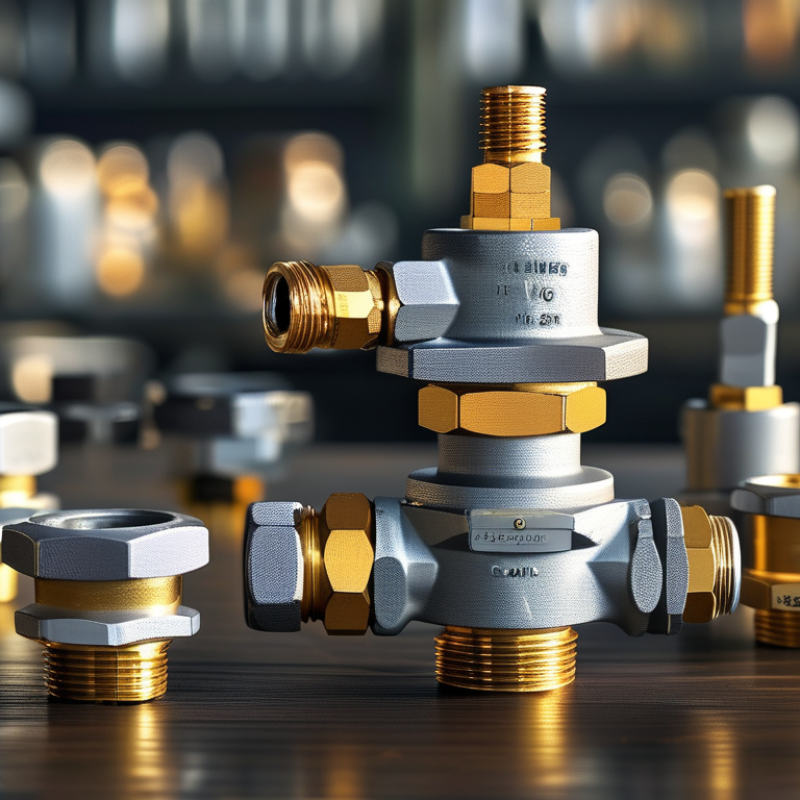
Pressure gauge male connectors play a crucial role in various industries. They facilitate the connection between pressure gauges and equipment, ensuring accurate pressure readings. These connectors come in different sizes and materials. Choosing the right one matters significantly. The wrong connector can lead to leaks or inaccurate measurements.
Understanding the specifications of pressure gauge male connectors is essential. Factors like thread type, size, and material should be considered. Common materials include brass and stainless steel. Each offers unique advantages depending on the application. Sometimes, a connector that seems adequate may not perform well under all conditions. Testing under actual conditions is vital.
It's important to know that not all connectors fit every gauge or application. Compatibility issues are common. A connector may appear perfect initially but fail during use. Focusing on quality and specifications can prevent these pitfalls. Always review the technical details before making a final decision. Doing so increases safety and reliability in operations.
When selecting a pressure gauge male connector, understanding the common types is essential. The most prevalent types include NPT (National Pipe Thread), BSP (British Standard Pipe), and metric connectors. Each type has unique threading and size specifications. For instance, NPT connectors are tapered, allowing for a tight seal, which is critical in high-pressure systems. According to a recent industry report, nearly 45% of pressure gauge failures are linked to improper connector types.
BSP connectors, often used in European systems, feature parallel threads. This design can also withstand high pressures but requires sealing with additional materials. It's vital to choose the right thread form to meet application needs. Metric connectors, widely used in industrial settings, follow standard international sizes. A thorough understanding of the application, pressure range, and environmental factors will lead to better performance.
Selecting the wrong type can lead to leaks and inefficiencies. It's not uncommon for professionals to miscalculate necessary specifications. Regularly reviewing these decisions can help avoid costly errors. Moreover, using improper materials for sealing can compromise the integrity of the system. Ensuring the right choice of male connectors will enhance reliability and safety in pressure measurement processes.
Choosing a pressure gauge male connector requires attention to several key factors. First, consider the connector's size. The dimensions must match the gauge and the system it's serving. This is crucial for ensuring a proper fit and seamless operation. A poorly sized connector can lead to leaks or inaccurate readings.
Material selection also plays a vital role. Common materials include brass and stainless steel. Each has its own advantages. Brass is often more affordable, while stainless steel offers greater resistance to corrosion. Think about the environment where the connector will be used. Will it be exposed to moisture or harsh chemicals? This decision impacts long-term reliability and performance.
Thread type is another aspect that should not be overlooked. The most common types are NPT and BSP. These threads have different functions. Understanding the requirements of your specific system is essential. A mismatch can cause significant issues. Take time to evaluate all these factors, ensuring you choose a male connector that meets your needs effectively.
Installing a pressure gauge male connector can seem straightforward, but there are critical aspects to consider. Ensure you clean the threads of both the connector and the gauge before installation. This step is often overlooked but can prevent leaks. Use a thread sealant or Teflon tape to enhance the seal. This creates a barrier against the high pressures that these connectors often face.
Be mindful of the torque specifications during installation. Over-tightening can damage the threads or the connector itself. It's better to apply a firm but gentle grip. Use a wrench that fits snugly, and avoid using excessive force. If you're unsure, consult the manufacturer’s guidelines for specific torque values.
In addition, consider the material compatibility. Different applications may require connectors made from various materials. For example, brass is suited for many environments, but corrosive fluids may need stainless steel. Reflect on the specific needs of your system. Errors in material choice can lead to premature failure or safety hazards. Always check the specifications before making a choice.
Pressure gauge connectors often face various issues that can affect their functionality. Regular inspection is vital. Look for any signs of wear or damage on the male connector. Cracks, corrosion, or deformities can cause leaks or inaccurate readings. Ensure that the threads are clean and free from debris. This simple check can prolong the life of your gauge.
Troubleshooting a pressure gauge connector is straightforward. If you notice abnormal pressure readings, check the connection thoroughly. Sometimes, a loose fitting can be the culprit. Tightening the connector might solve the issue. If problems persist, consider replacing the connector. It’s always better to invest in new parts than to deal with continuous failures. Regular maintenance can help identify problems early, saving time and resources.
Choosing the right connector is crucial. Not all connectors are created equal. Selecting one that fits your gauge and application is essential. Compatibility ensures that your pressure readings remain accurate. Always refer to the gauge specifications to make an informed choice. Neglecting these aspects can lead to significant mishaps in measurement. Aim for reliability in every connection made.
: They connect pressure gauges to equipment, ensuring accurate pressure readings.
The wrong connector can cause leaks or incorrect measurements.
Common materials include brass and stainless steel, each with its advantages.
The main types are NPT, BSP, and metric connectors, each with unique specifications.
Incorrect types can result in leaks and inefficiencies during operation.
Review technical specifications like thread type and size before making a decision.
Compatibility issues can occur, leading to failures during use.
Regularly review your decisions and specifications; minor mistakes can lead to problems.
Yes, testing under actual conditions is vital for assessing performance.
Using improper materials for sealing can lead to system failure or inefficiencies.
Pressure Gauge Male Connectors are essential components that facilitate the connection between pressure gauges and pipes or equipment. Understanding their function is crucial for ensuring accurate pressure measurements. Common types of male connectors vary in size and material, impacting both performance and compatibility. When choosing a Pressure Gauge Male Connector, key factors such as the pressure range, temperature tolerance, and the medium being measured must be considered to ensure optimal functionality.
Proper installation practices are vital to avoid leaks and ensure reliable readings, while regular maintenance and troubleshooting are necessary to address any issues that may arise over time. By understanding these aspects, users can effectively select and maintain Pressure Gauge Male Connectors, ultimately enhancing the performance and lifespan of their pressure measurement systems.

TM Hydraulic